







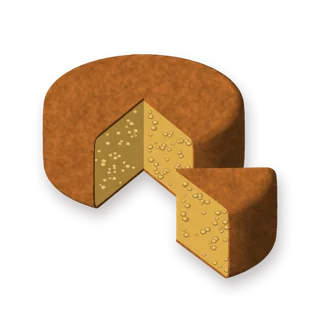
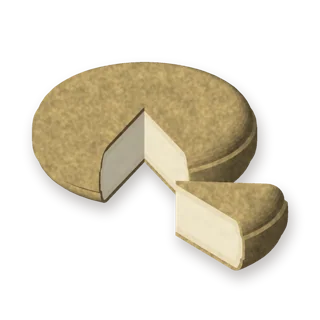
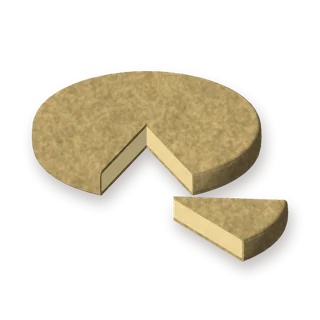

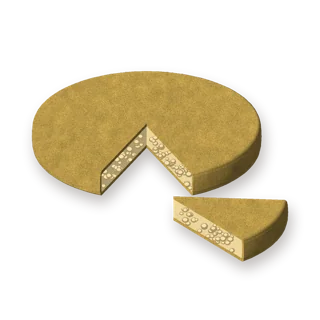
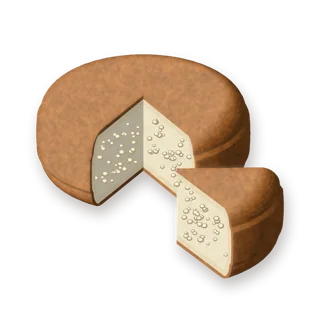
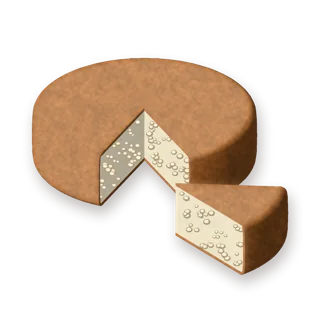
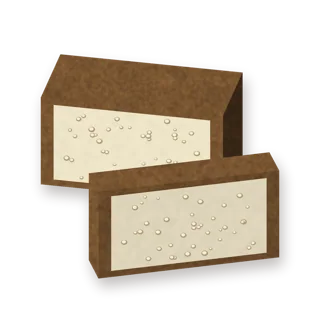




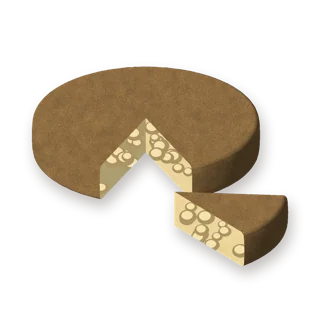

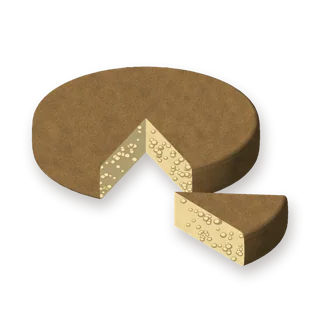
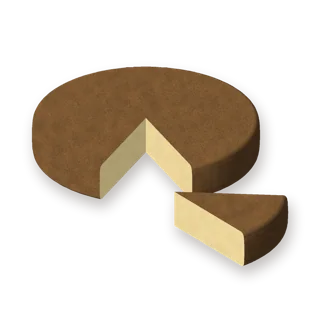
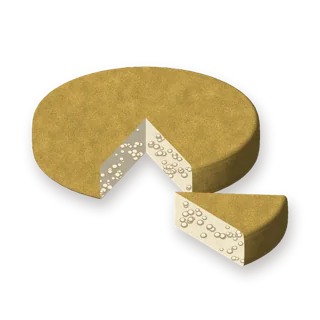
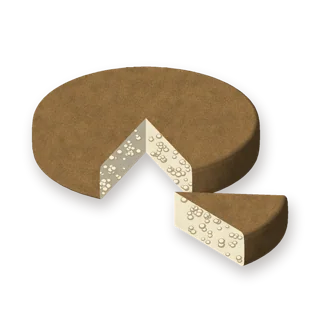

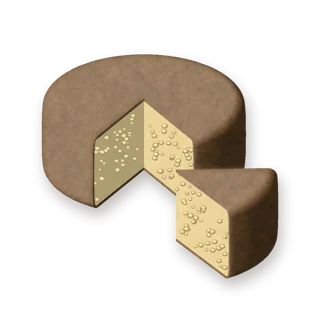


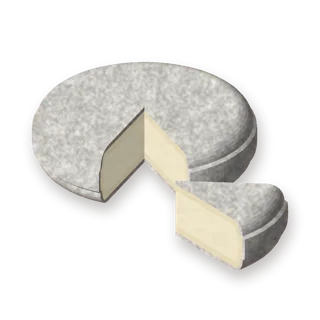



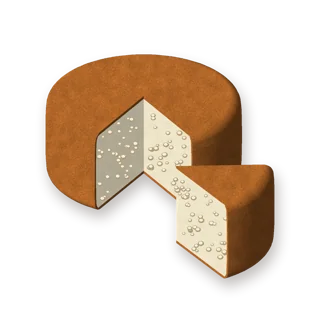
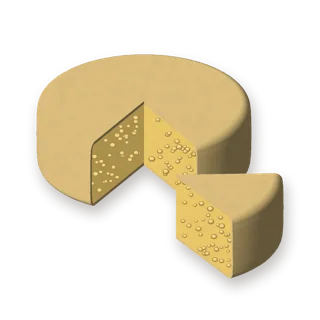


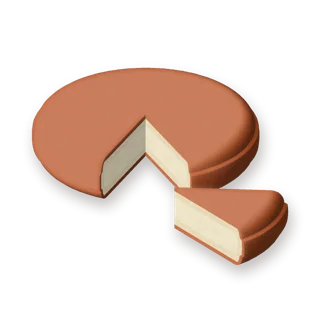
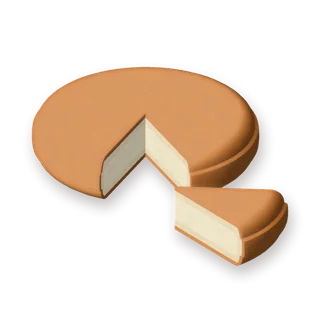
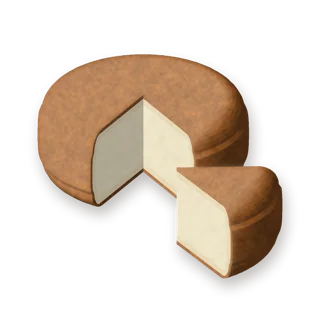


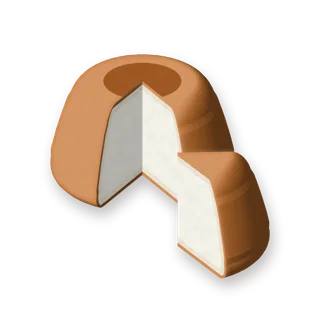






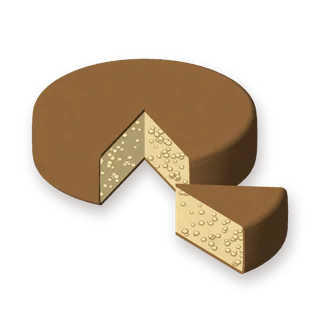


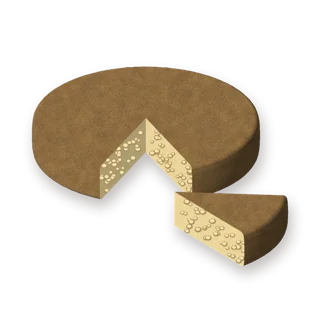

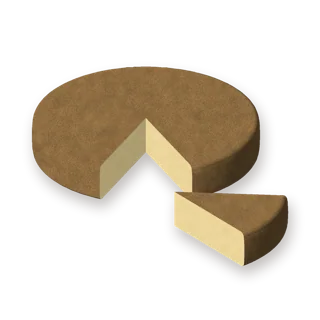

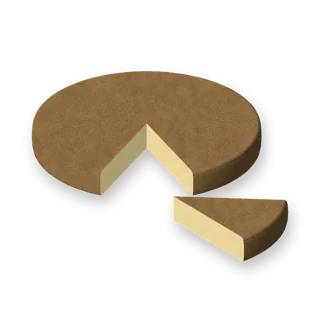
















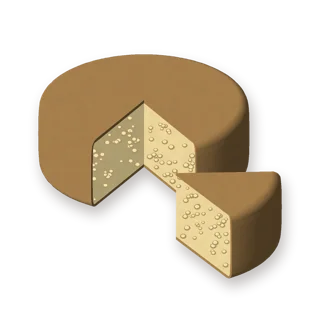
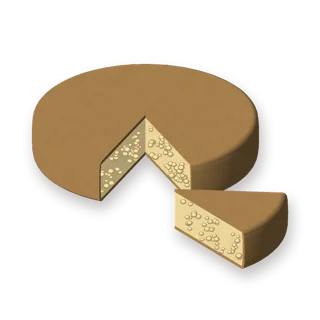

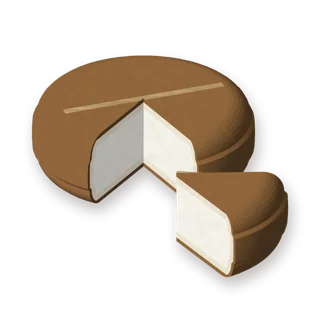










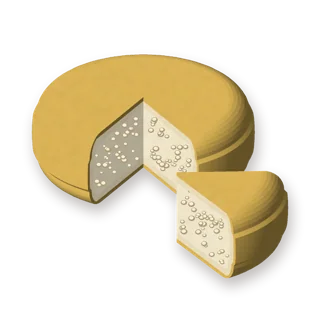
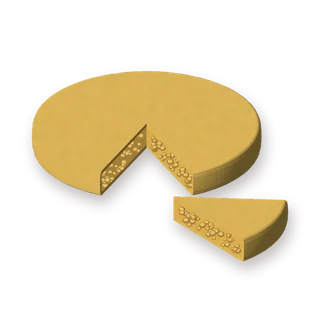

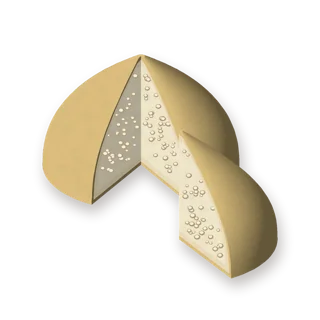
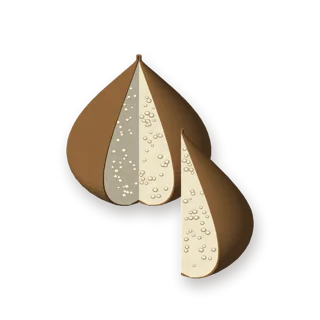














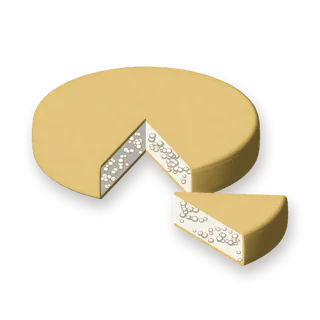

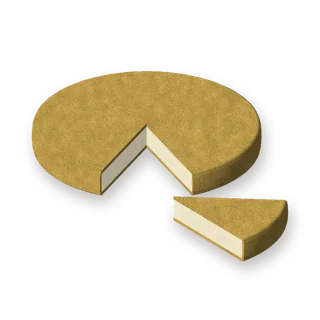

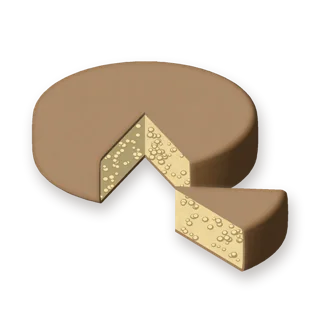







Wine country is cheese country. The same valleys, monasteries and cooperatives that make the bottles make the cheeses that go with them, and the old pairings grew up side by side. Every cheese here is drawn from its recorded shape, rind and paste, with the region's own wines to pour beside it.

Portugal

Alentejo

Wine and cheese in Alentejo

Austria

Burgenland

Wine and cheese in Burgenland

Portugal

Douro Valley

Wine and cheese in Douro Valley

Italy

Friuli-Venezia Giulia

Wine and cheese in Friuli-Venezia Giulia

Spain

Jerez & Sherry

Wine and cheese in Jerez & Sherry

France

Loire Valley

Wine and cheese in Loire Valley

Germany

Rheingau

Wine and cheese in Rheingau

Germany

Rheinhessen

Wine and cheese in Rheinhessen

France

Rhone Valley

Wine and cheese in Rhone Valley

Spain

Ribera del Duero

Wine and cheese in Ribera del Duero

Switzerland

Valais

Wine and cheese in Valais

Portugal

Vinho Verde

Wine and cheese in Vinho Verde

Local traditions

Pairings that grew up together

Crottin de Chavignol with Sancerre blanc

Local traditionLoire Valley

Young crottin has a firm, chalky paste and aged ones turn nutty and dry. White Sancerre's sharp Sauvignon acidity and citrus cut that density and freshen the hazelnut. The consortium lists it first; a pairing guide calls it the classic white.

Munster with Gewurztraminer

Local traditionAlsace

French Wikipedia and Je Visite Alsace both give this match: Gewurztraminer's aromatic power and full body stand up to the strength of the cheese, and its richness softens the pungent washed rind.

Raclette du Valais with Fendant (Chasselas)

Local traditionValais

Swiss Wine Valais ranks Fendant first with Gamay for raclette: one taster wants a dry, tight white that refreshes the palate, and ambassador Eddy Baillifard stays on Fendant or Gamay for a young village raclette of 3 to 5 months.

Comté with Vin jaune

Local traditionJura

English Wikipedia names the local Comté as a common pairing for vin jaune. An aged wheel's hazelnut and roasted notes meet the walnut and spice of a wine aged more than six years before release, and the wine's sharpness keeps the dense paste from cloying.

Fromage fort de la Croix-Rousse with Beaujolais, red

Local traditionBeaujolais

French Wikipedia quotes the Inventaire du patrimoine culinaire de la France: in Lyon's bouchons the pot sat at the corner of the bar and was spread on toasted bread, accompanied by a beaujolais. A plain Gamay red suits its sharpness.

Munster with Gewurztraminer Vendanges Tardives or Sélection de Grains Nobles

Local traditionAlsace

French Wikipedia lists late-harvest and noble-rot Gewurztraminer with Munster. The wine's sweetness plays against the salty, pungent rind, a sweet-and-savoury contrast.

Stilfser with Alto Adige Pinot Nero

Local traditionAlto Adige

Qualigeo lists Alto Adige Pinot Nero as the other usual partner. Its ripe fruit, fresh acidity and medium, fine tannin set off the strong, spicy paste without burying the slight nuttiness Mila finds in the cheese.

Stilfser with Alto Adige Schiava (Vernatsch)

Local traditionAlto Adige

Qualigeo lists Alto Adige Schiava among the usual partners of Stilfser. These run from light to medium body, with almond, red fruit or violet and low to medium tannin, so the cheese's spicy aroma and intense flavour stay in front.