Alentejo Wine and Cork from Évora
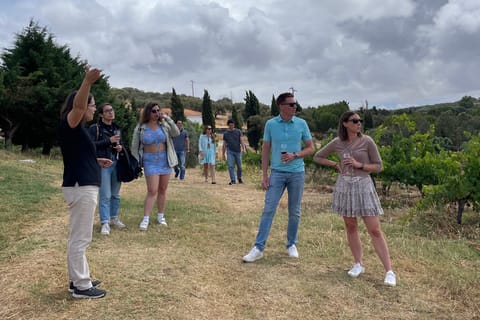
This tour is about two very important products for the Alentejo region: wine and cork. Come and discover the process from cork harvesting to the final bottle of wine. ...

Rolling wheat plains, Roman talha wine and Alicante Bouschet's adopted home
Portugal's vast southern plains, where DOC Alentejo estates farm Alicante Bouschet and Aragonez across eight named sub-regions, and a Roman clay-amphora tradition still ferments Vinho de Talha in Vidigueira.
This tour is about two very important products for the Alentejo region: wine and cork. Come and discover the process from cork harvesting to the final bottle of wine. ...
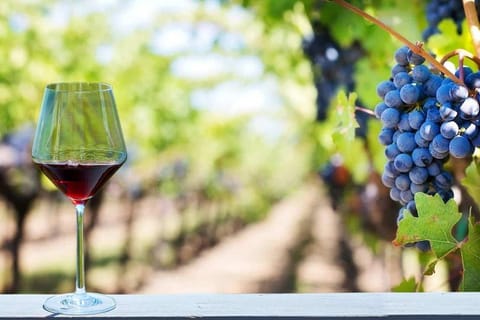
Taste award-winning wines, learn from local winemakers, and immerse yourself in the authentic Portuguese wine tradition. Includes a visit to the winery and a tasting o...
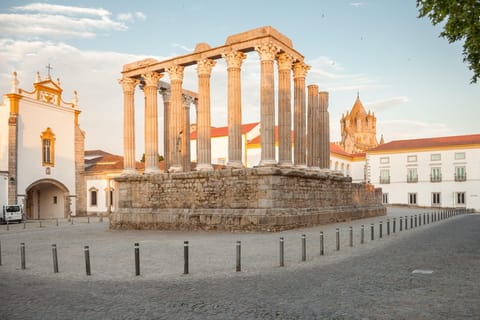
Discover Alentejo’s timeless charm with a visit to UNESCO-listed Évora, medieval Monsaraz, a local wine tasting, and breathtaking views from Cristo Rei overlooking Lis...
Every vineyard, tasting room, wine bar and cellar we cover in Alentejo, pinned. Click a pin for the page.
The iconic bottles that define Alentejo.
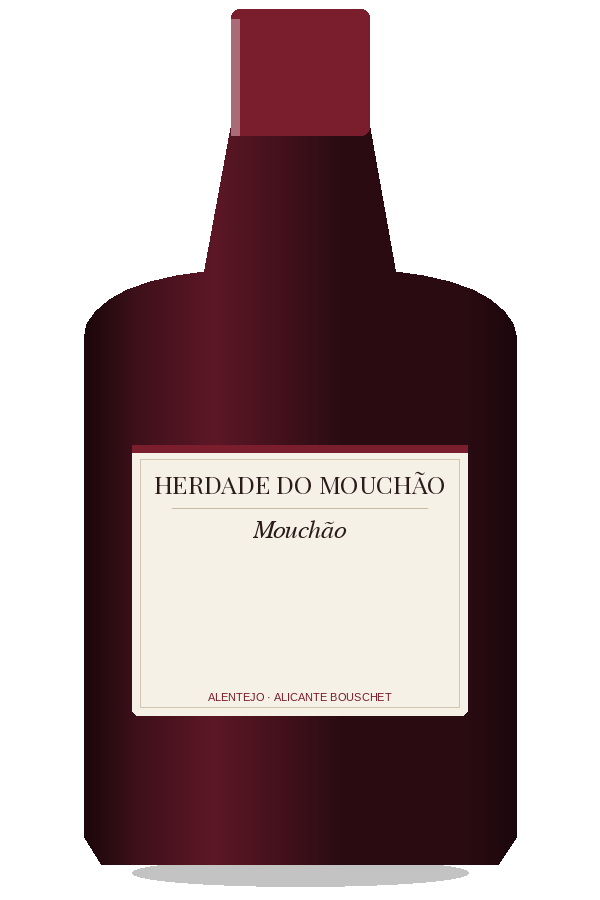
Producer: Herdade Do Mouchao
Mouchao's namesake red, made at the Casa Branca estate since 1901, four years in large wooden toneis and built to age for decades in bottle.
Price: EUR 45-60 at retail
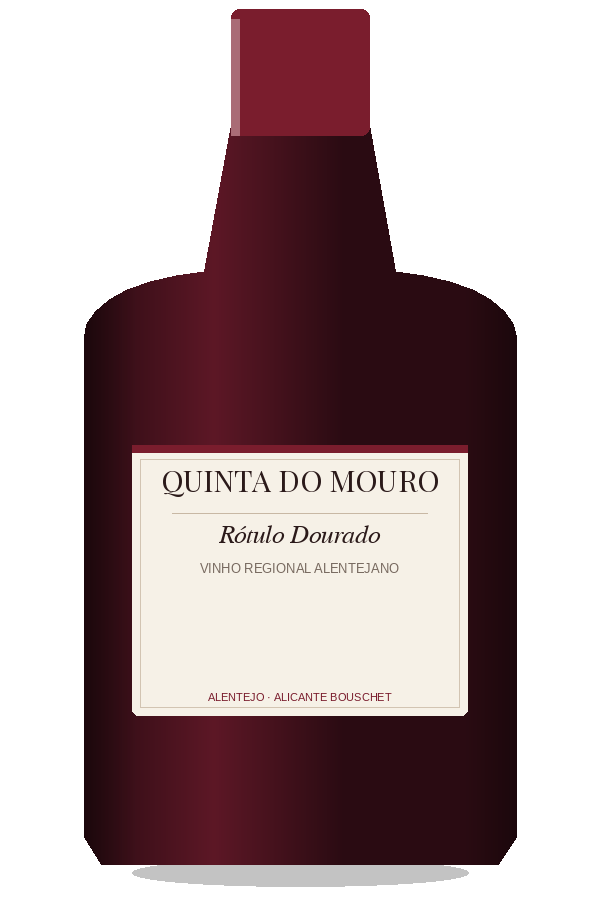
Producer: Quinta Do Mouro
A cult, limited-production Alentejo icon from Miguel Louro's Borba sub-region vineyard near Estremoz, first made in 1989.
Price: EUR 45-60 at retail
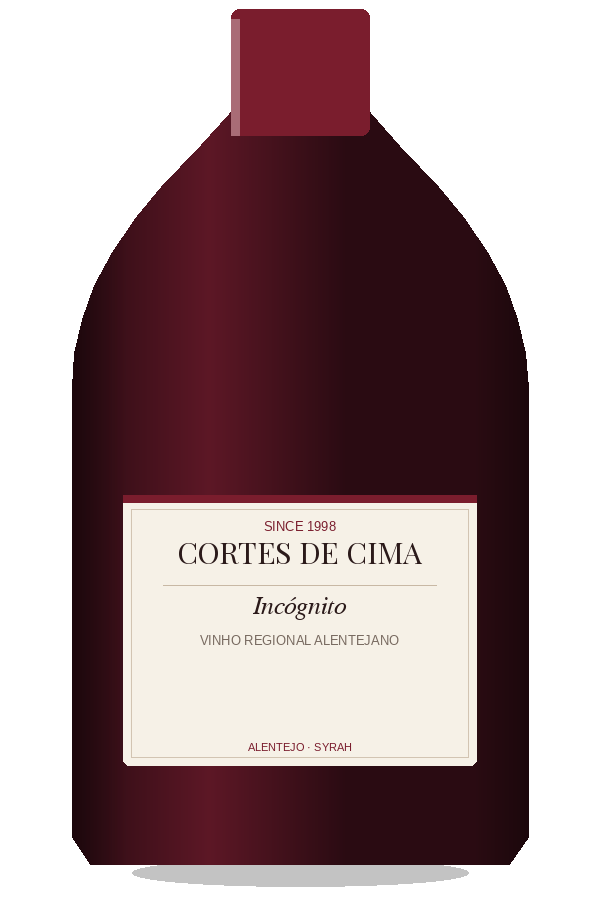
Producer: Cortes De Cima
The alentejo's original modern single-varietal syrah, now in its 17th edition.
Price: EUR 25-35 at retail
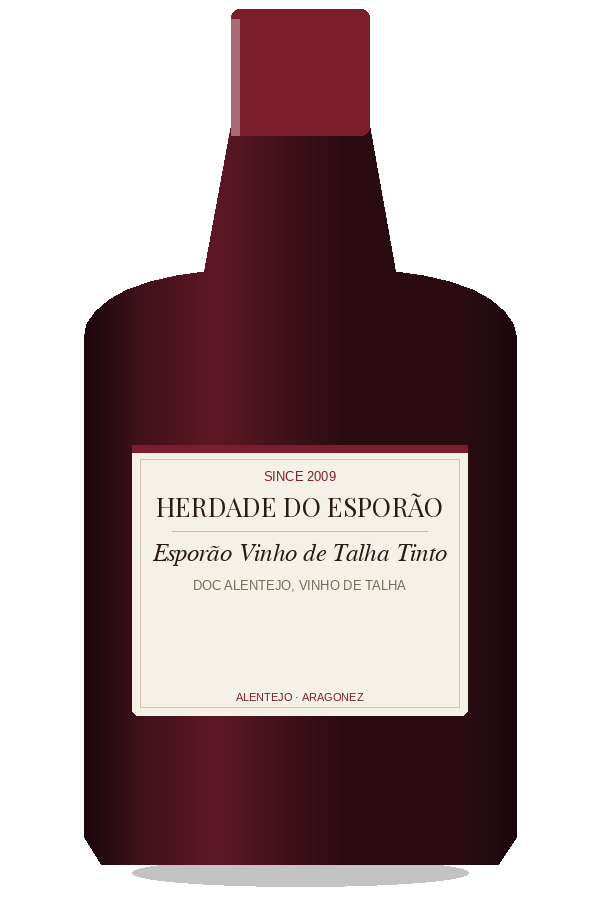
Producer: Esporao
A modern revival of the ancient doc alentejo clay-amphora vinho de talha method.
Price: EUR 18-28 at retail
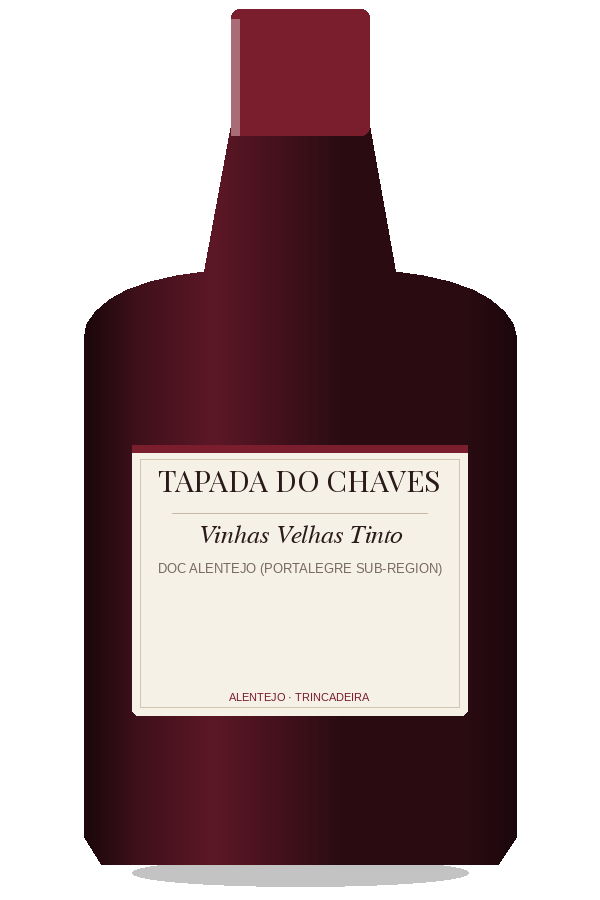
Producer: Tapada Do Chaves
Old-vines portalegre red from parcels planted in 1901 and 1903.
Price: EUR 25-35 at retail
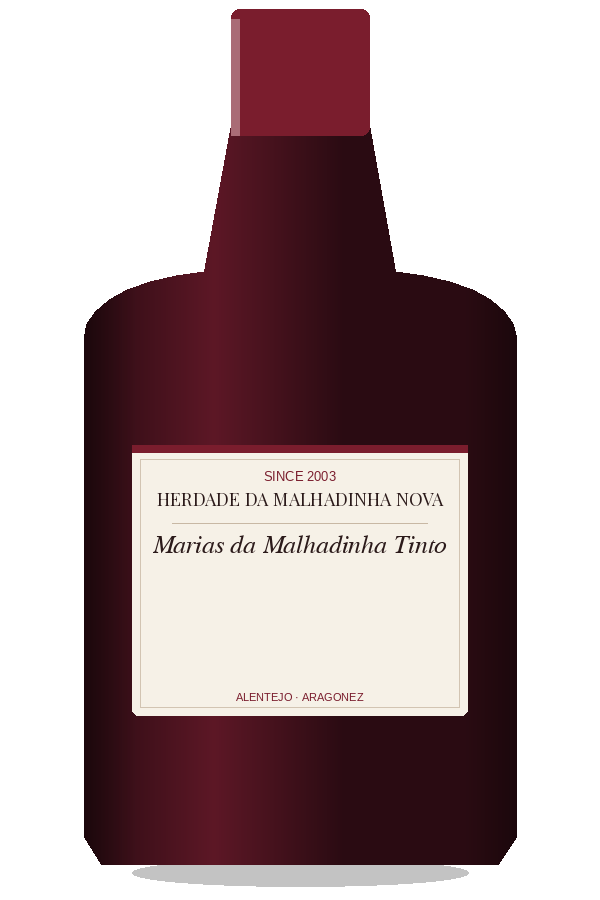
Producer: Herdade Da Malhadinha Nova
The soares family's flagship, named for the women of malhadinha nova.
Price: EUR 40-55 at retail
A handful of the estates we send friends to when they are in Alentejo.
Winery of the Fundacao Eugenio de Almeida, a foundation established in 1963, farming 300 plus hectares near Evora, winemaking since the 1800s.
Signature: Cartuxa Reserva, EA Tinto
Grower cooperative in Vidigueira founded in 1960, making DOC Alentejo Vinho de Talha in clay amphorae alongside conventional wines at its Casa das Talhas.
Signature: vidigueira-antao-vaz, vidigueira-reserva-branco, vidigueira-escolha-dos-socios-tinto
Grower cooperative founded in 1955 in the Borba sub-region, certifying DOC Alentejo wines from member farmed vineyards, with a tasting room, shop and restaurant.
Signature: adega-de-borba-reserva-tinto, adega-de-borba-grande-reserva-tinto, adega-de-borba-vinhas-do-marmore-tinto, montes-claros-tinto, talhas-de-borba-tinto
Cooperative founded in 1954 in Portalegre, bottling the Conventual, Portalegre and Terras de Baco ranges from Serra de Sao Mamede vineyards.
Signature: Conventual Reserva, Conventual, Portalegre DOC, Terras de Baco
Cooperative cellar in Redondo founded in 1956, grouping about 200 growers and making roughly twelve million litres a year, three quarters of it red.
Signature: Porta da Ravessa, Real Lavrador, Flos, AR Reserva, Albarrada
Grupo Nabeiro winery at Campo Maior in a building designed by architect Siza Vieira, producing since 2002 from 65 hectares under winemaker Paulo Laureano.
Signature: reserva-do-comendador, monte-mayor-reserva-tinto, solista-touriga-nacional
Cool granite hillsides under the Serra de Sao Mamede, where Alentejo stops feeling like a plain.
Also: Campo Maior, Monforte
A white marble town where the quarry dust and the cooperative cellar sit on the same street.
Also: Estremoz
Pottery workshops and a cooperative cellar under the wooded ridge of the Serra da Ossa.
Roman temple, marble streets and cellars that have been pressing grapes since the eighteenth century.
Also: Arraiolos
Big estate country between the megaliths and the Alqueva, with amphoras still working behind the cooperative doors.
Also: Reguengos de Monsaraz
Baking border country by the Guadiana where pre-phylloxera vines and clay pots never went away.
Peak wine-travel season in Alentejo is spring through autumn, with harvest the standout window.
classified-growth and grand-cru estates require booking days to weeks ahead; smaller family domaines often take walk-ins midweek.
most estates open 10:00 to 17:00 by appointment, often closed Sunday and Monday.
tipping is not expected at tastings; buying a bottle from the cellar door is the customary thank-you.
If you only open one bottle, open Mouchão by herdade-do-mouchao. It is the wine most associated with Alentejo.