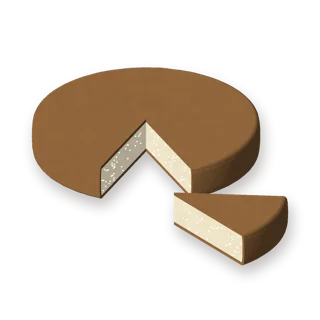
The cheeses of Jura with the wines made beside them. Pairings marked as a local tradition are the ones a regional source names; the rest are our own picks, and say so.

Wine and cheese in Jura

Comté with Vin jaune ★ 4.8

Local traditionsource

English Wikipedia names the local Comté as a common pairing for vin jaune. An aged wheel's hazelnut and roasted notes meet the walnut and spice of a wine aged more than six years before release, and the wine's sharpness keeps the dense paste from cloying.

Bottles to try:
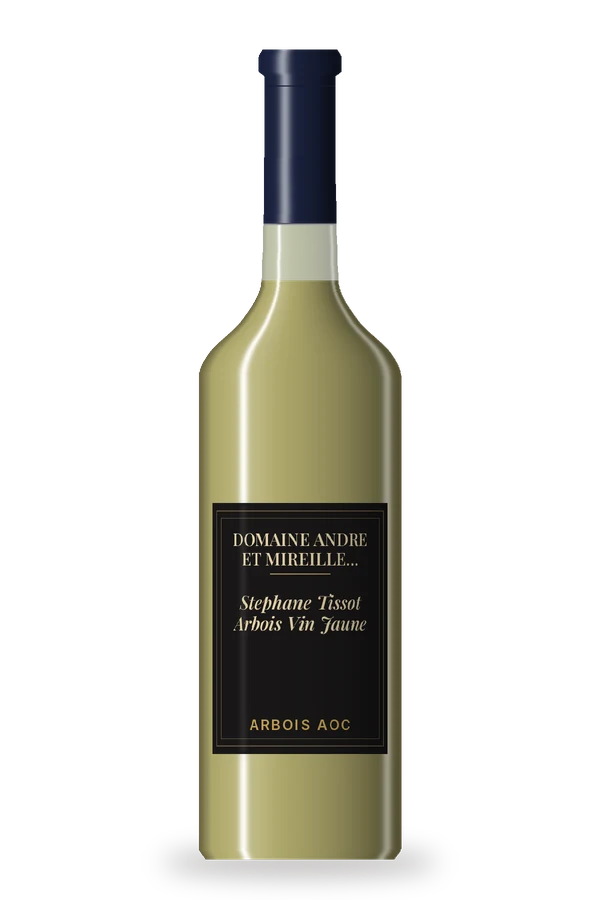
Mont d'Or with Topped-up Savagnin (ouillé) ★ 4.5

Our pick

Mont d'Or tastes of mushrooms in cream with a touch of spruce from its band, and runs soft and creamy. A savagnin kept topped up in the cask, with no veil, is fresher than vin jaune, and its high acidity and mineral lift cut through the cream.

Bottles to try:
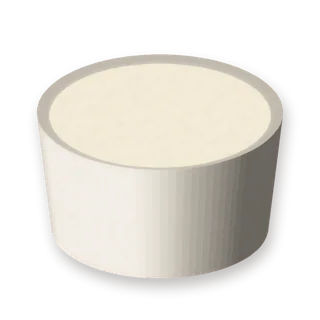
Cancoillotte with Savagnin ★ 4.4

Local traditionsource

Cancoillotte is light, buttery and faintly yeasty, and savagnin's nutty character suits that. French Wikipedia says the Franche-Comté dish of cancoillotte with potatoes and sausage is eaten with Jura wines such as savagnin and vin jaune.

Bottles to try:
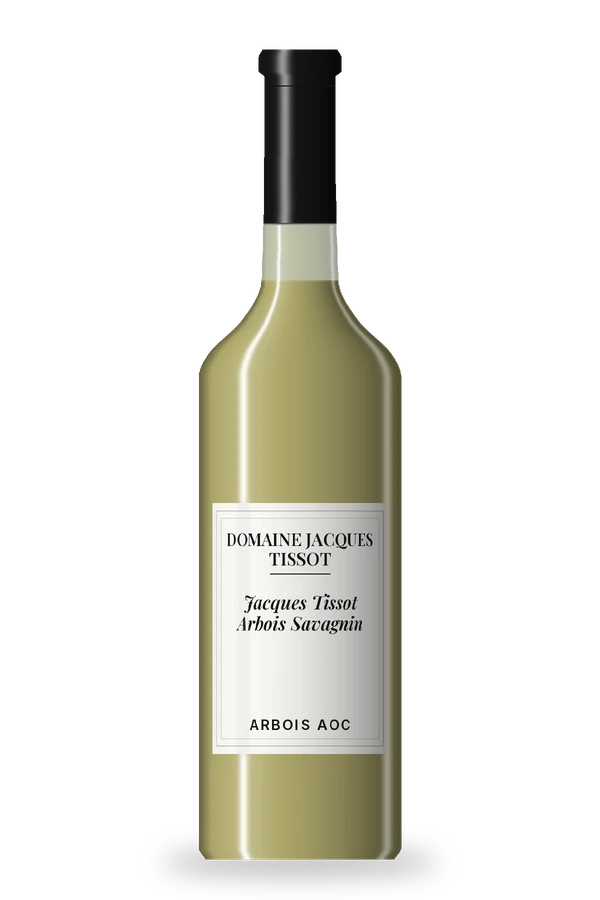
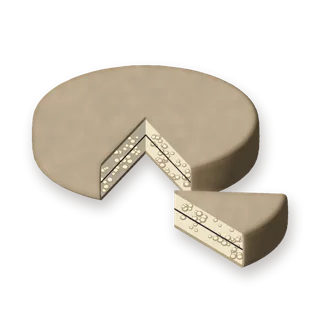
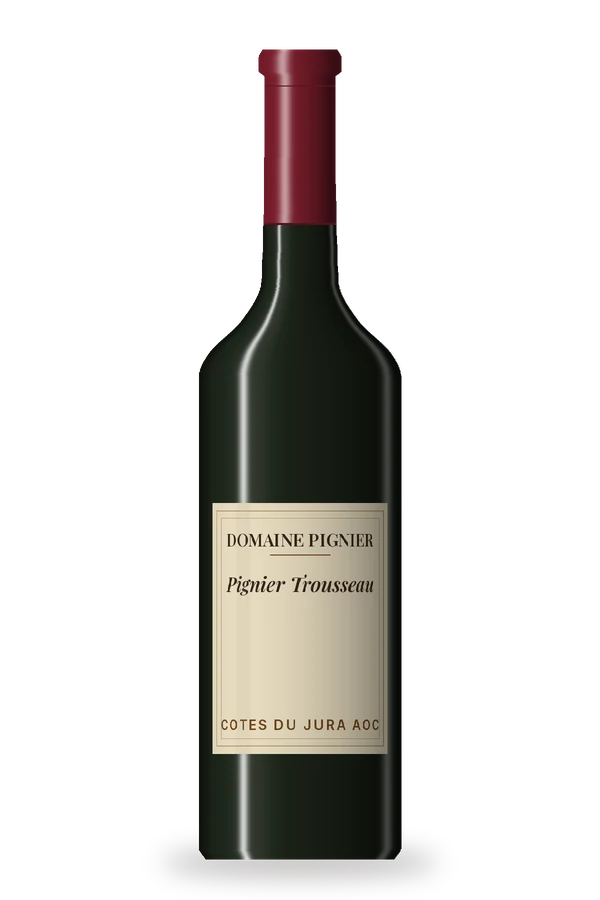
Morbier with Trousseau ★ 4.3

Our pick

Morbier is creamy and melting, with caramel and fruit notes. Trousseau is the deepest of the Jura reds yet supple in tannin, and its spice and ripe fruit sit with the paste without turning bitter against the rind or the charcoal line.

Bottles to try:
Comté with Jura Chardonnay and Savagnin blend ★ 4.2

Our pick

A younger Comté is still milky, fruity and supple. A dry Jura blend of Chardonnay and Savagnin is lighter than vin jaune, so the cheese's butter and fruit stay in front, while the Savagnin gives the wine a firmer, savoury edge against the fat.

Bottles to try:
Comté with Jura Pinot Noir ★ 4.2

Our pick

A Comté of around a year keeps its caramel and hazelnut depth without turning sharp. Pinot Noir has the acidity to cut the fat and tannin soft enough not to turn bitter against the paste, so cheese and red fruit stay in balance.

Bottles to try:
Comté with Crémant du Jura ★ 4.1

Our pick

Young Comté is milky and fruity. A dry Crémant du Jura, made sparkling by a second fermentation in bottle, clears the fat from the palate with fine bubbles and acidity, which makes it a good wine for an aperitif cheese board.

Bottles to try:
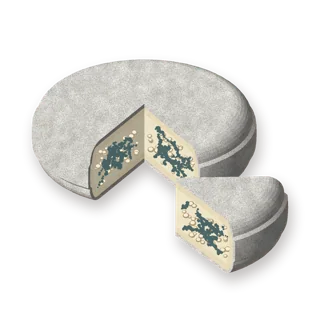
Bleu de Gex with Jura Chardonnay, fresh style (no veil) ★ 4.0

Our pick

Bleu de Gex is milder than most blues, with a light salt note and a pleasant bitterness. A dry Jura Chardonnay made without veil ageing has the acidity to cut the fat and the fruit to soften the bitterness, without covering the blue.

Bottles to try:
Every cheese of Jura →

Wine & Cheese Pairings in Jura, FAQ

How long is Comté aged?

At least 4 months. According to the Institut national de l'origine et de la qualité's product page, ageing can extend to 18 months or more; Le Guide du Fromage notes wheels can reach 36 months.

How heavy is a wheel of Comté?

Around 40 kg on average, per the Institut national de l'origine et de la qualité. Le Guide du Fromage gives a range of 32 to 45 kg.

Which Jura wine goes with Comté?

Vin jaune is the regional pairing; Wikipedia calls Comté with vin jaune and walnuts a typical Jura combination.

What is the black line in Morbier?

A layer of vegetable charcoal through the middle of the wheel. INAO says it began as soot protecting the evening cheese overnight, and it is now kept as the cheese's signature.

How long is Morbier aged?

At least 45 days, according to Le Guide du Fromage and French Wikipedia.

When did Morbier get its protection?

AOC in 2000 and AOP in 2002, according to French Wikipedia and Le Guide du Fromage.

Is Mont d'Or the same as Vacherin du Haut-Doubs?

Yes. The appellation is registered under both names, and INAO adds that it was once nicknamed fromage de boete.

When can you buy Mont d'Or?

Production runs from 15 August to 15 March and sales run from 10 September to 10 May.

← Back to Jura wine guide