Quesos, Jamones y Vinos
Peñafiel wine shop by the Duratón bridge, selling cheeses from Peñafiel and Castilla y León beside Ribera wines and hams, with free tastings on Saturdays.

Cheese · IGP · Ribera del Duero
A semi-hard sheep's milk cheese from The whole of Castilla y León, which includes the Burgos, Valladolid, Segovia and Soria stretches of the Ribera del Duero.
A pressed, enzymatically curdled sheep's milk cheese, fat or extra-fat, made from raw or pasteurised milk from Castilla y León farms and matured in the region. The specification caps a cheese at 25 cm across, 15 cm high and 3.8 kg. The rind is well defined, free of mould and can be natural or coated with authorised products, from pale yellow to brown. The paste is firm, close and pale, with few small round holes. The European Commission registered the name in February 2020; the IGP's own website lists 17 member dairies.
Made in: The whole of Castilla y León, which includes the Burgos, Valladolid, Segovia and Soria stretches of the Ribera del Duero
High flavour intensity, both acid and salty, with a moderate animal note and caramel, hints of nut and a light fruity and vegetal aroma. Slightly piquant, with fairly high persistence and a low aftertaste. The paste is firm, slightly adhesive, elastic, friable and grainy; every note sharpens with age.
Rind: natural crust
Wine and cheese
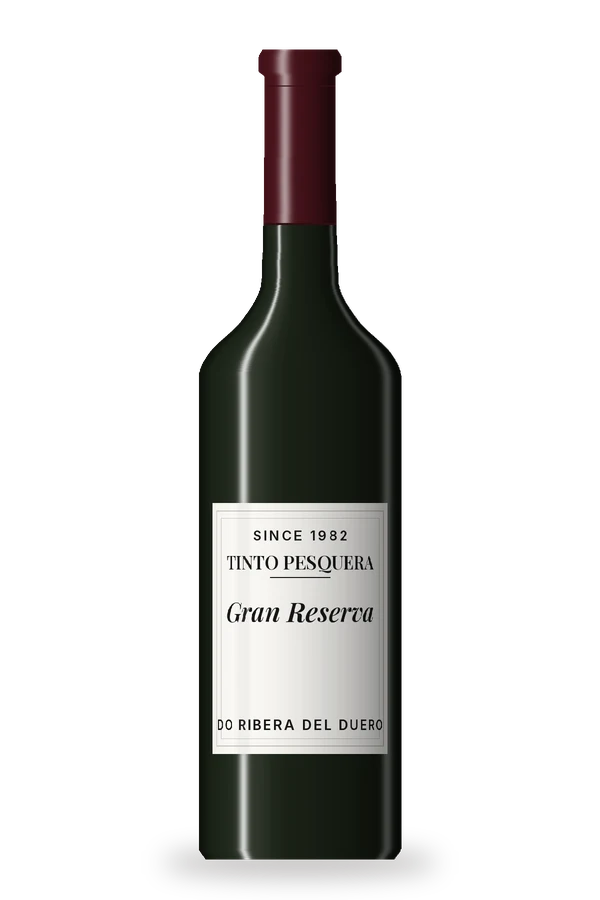
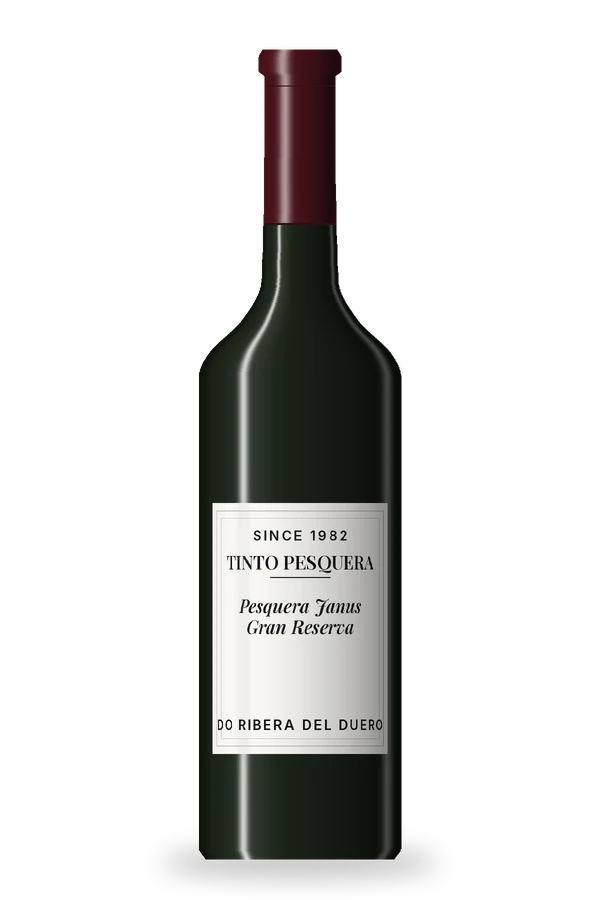
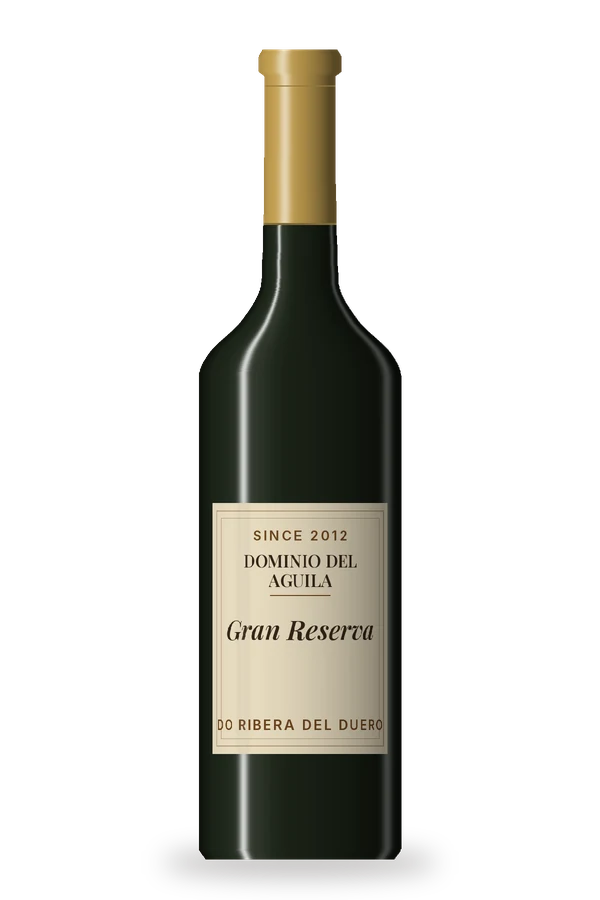
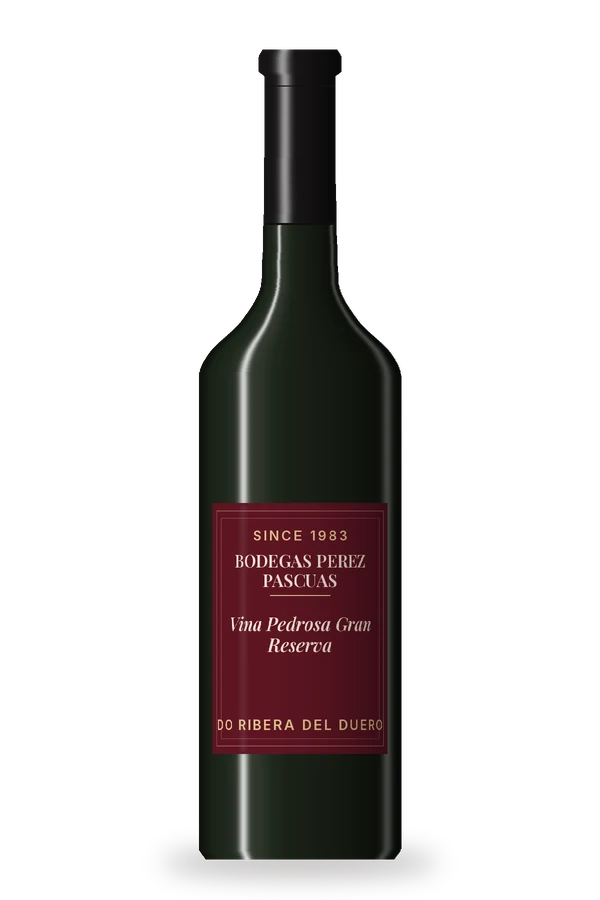
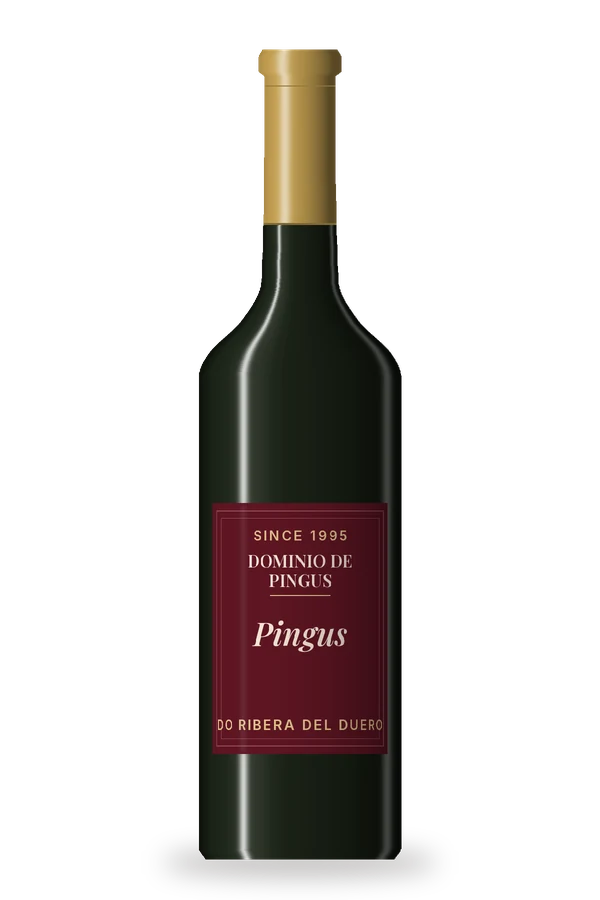
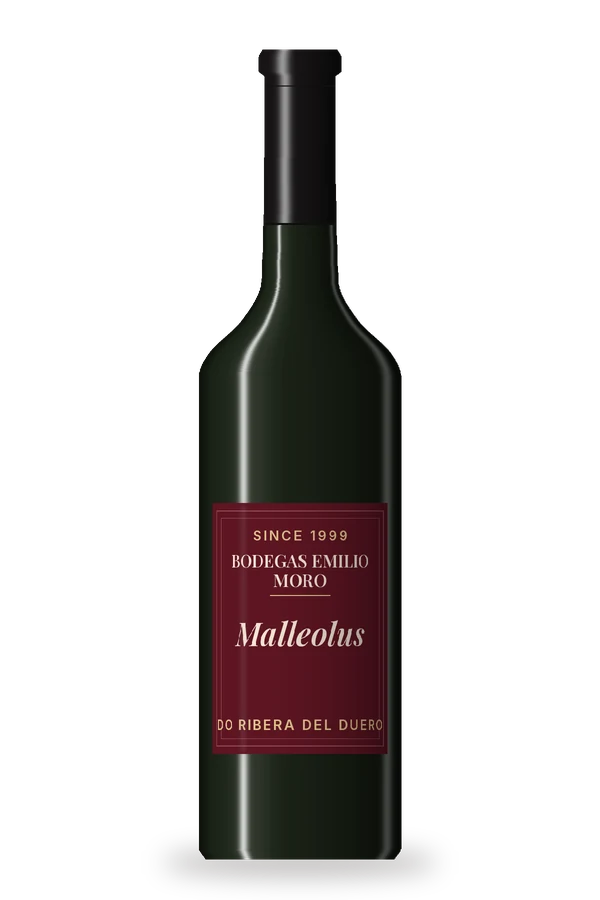
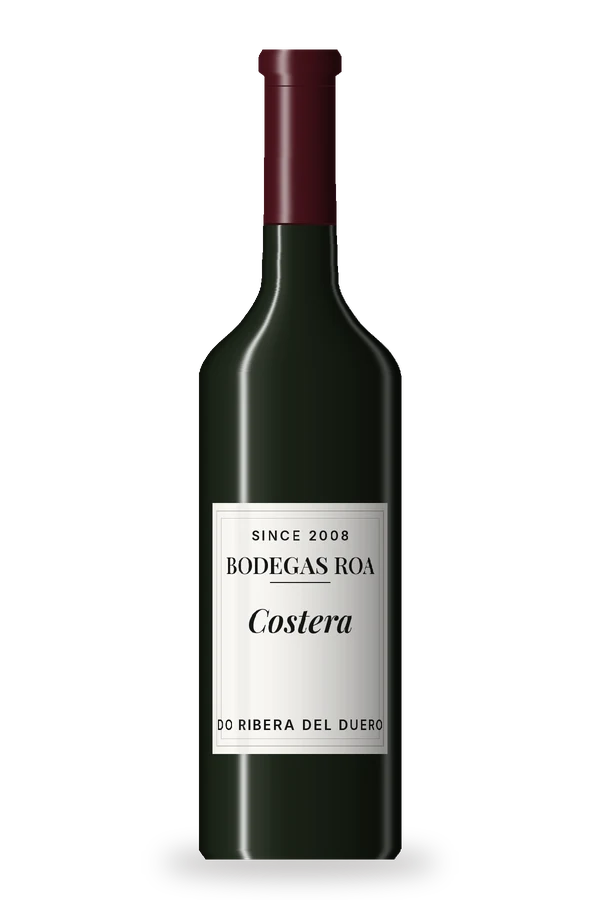
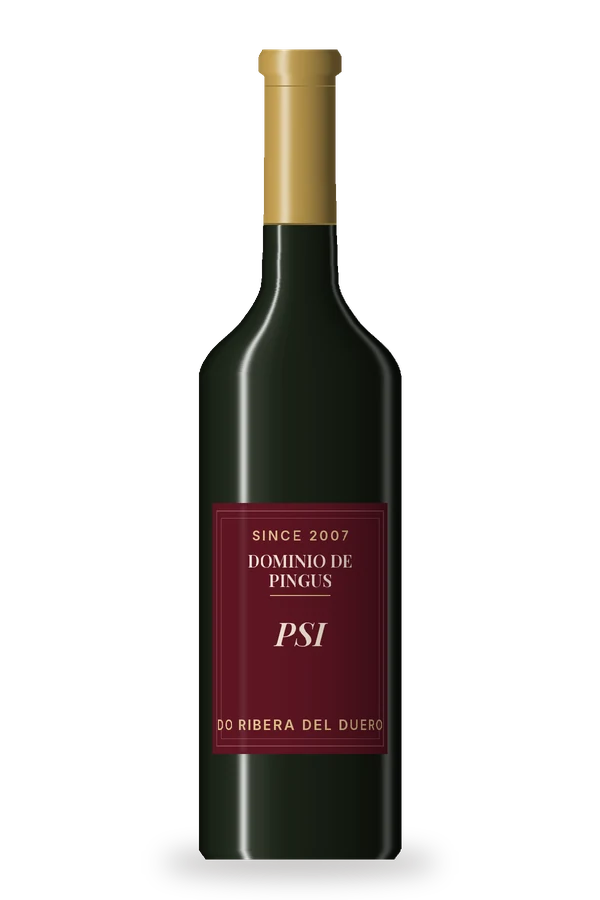
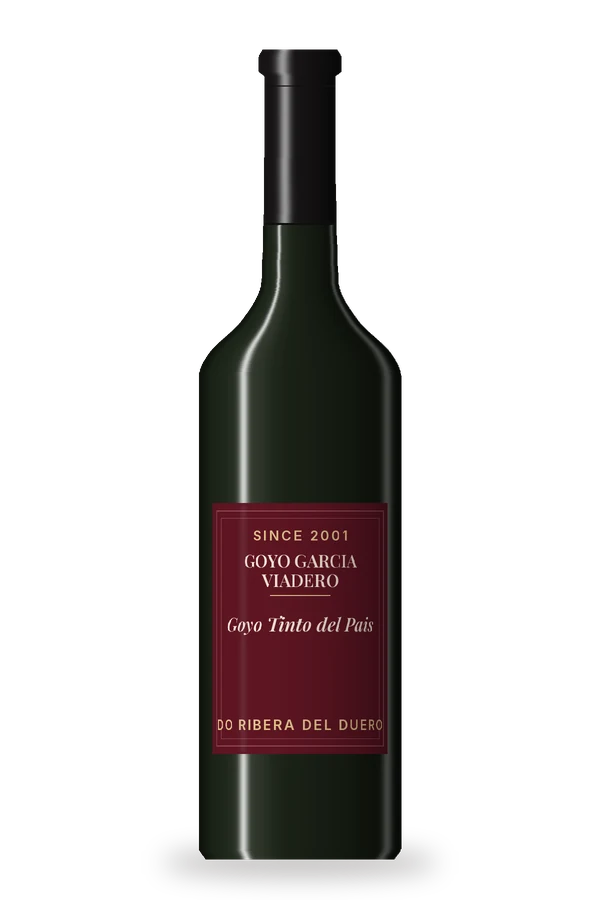
Five years or more in oak and bottle give these Tinto Fino reds mature complexity; a long-cured Castellano, sharper, saltier and more piquant with age, has the depth to match, and its fat carries the wine's grip.
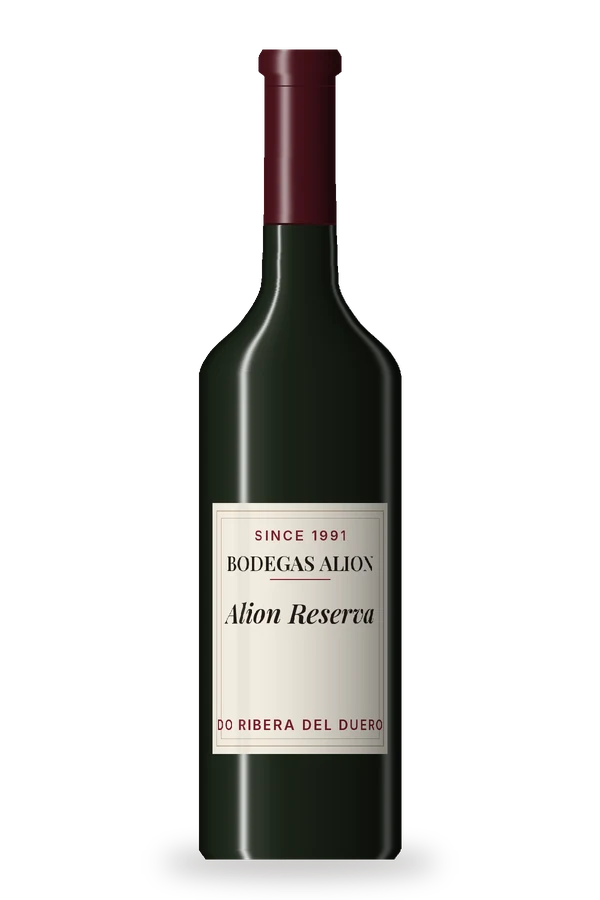
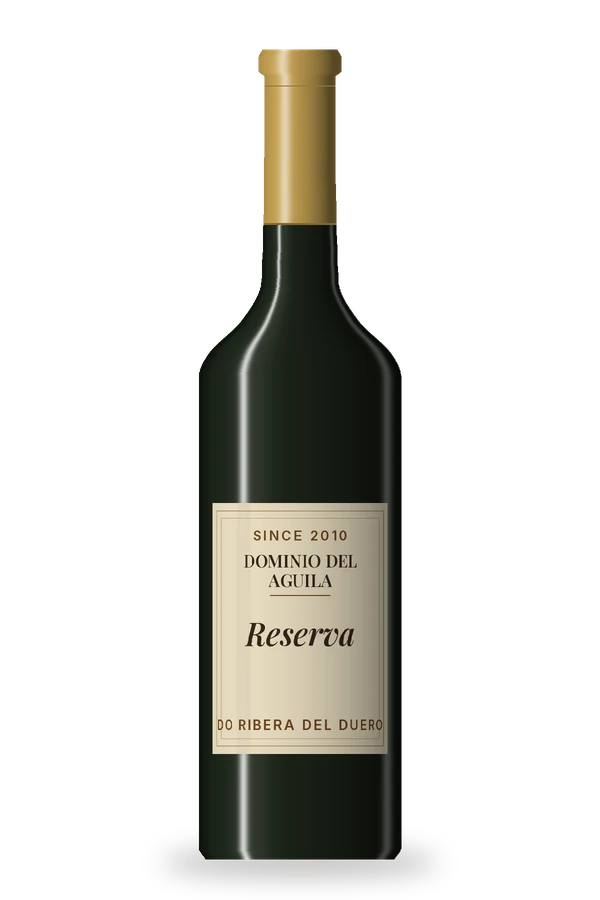
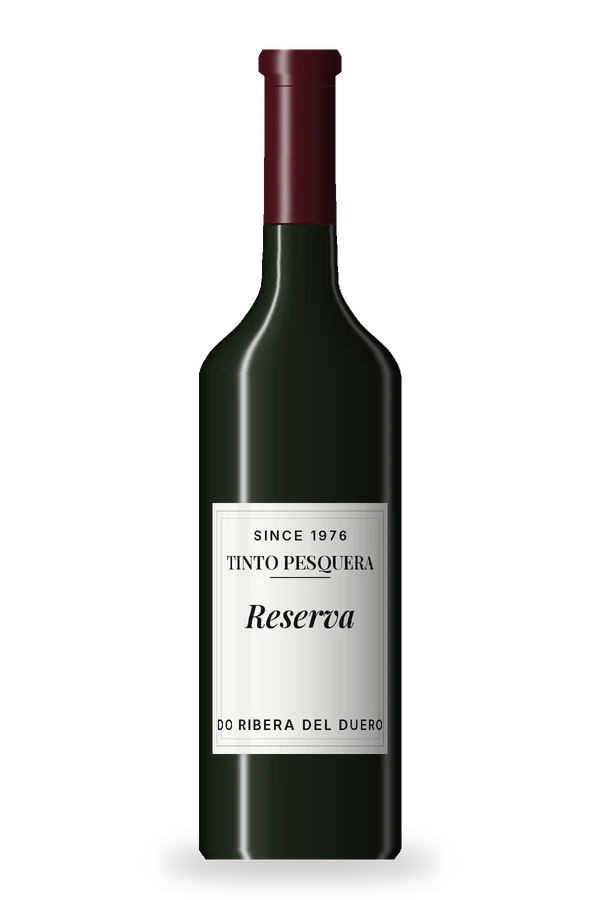
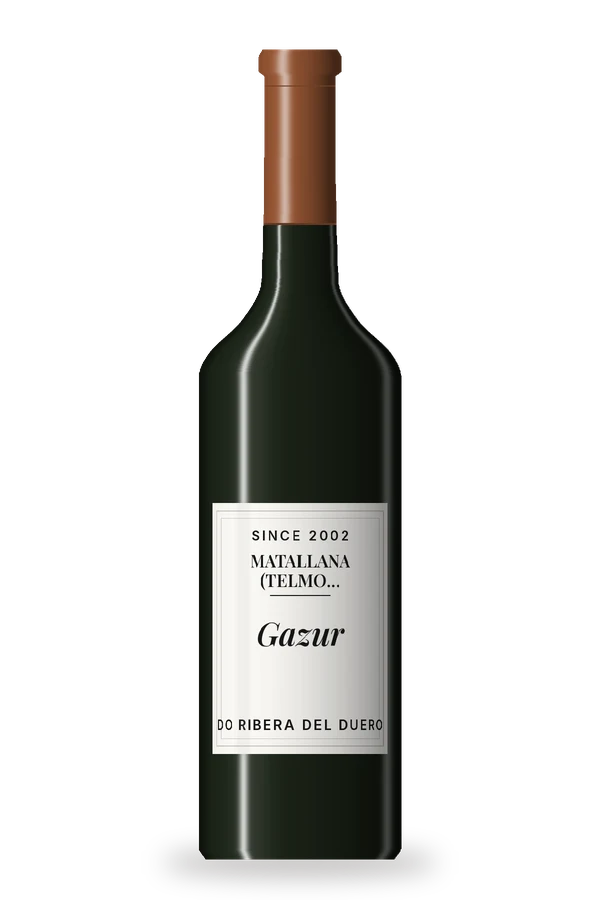
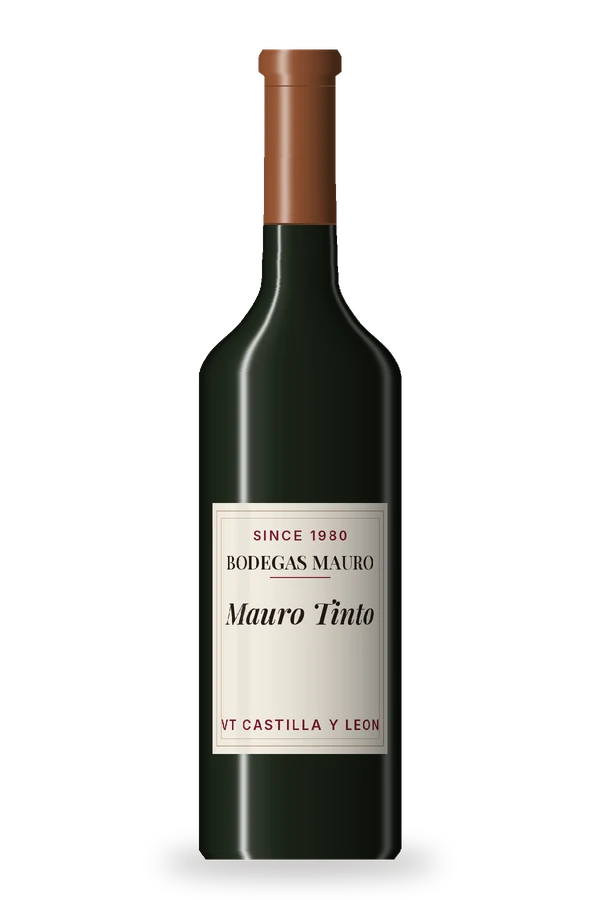
A longer-matured Castellano turns more intense, salty and slightly piquant. Ribera Reserva, full bodied with dark fruit from longer oak ageing, has the weight to stand beside it, and the cheese's fat rounds off the tannin.
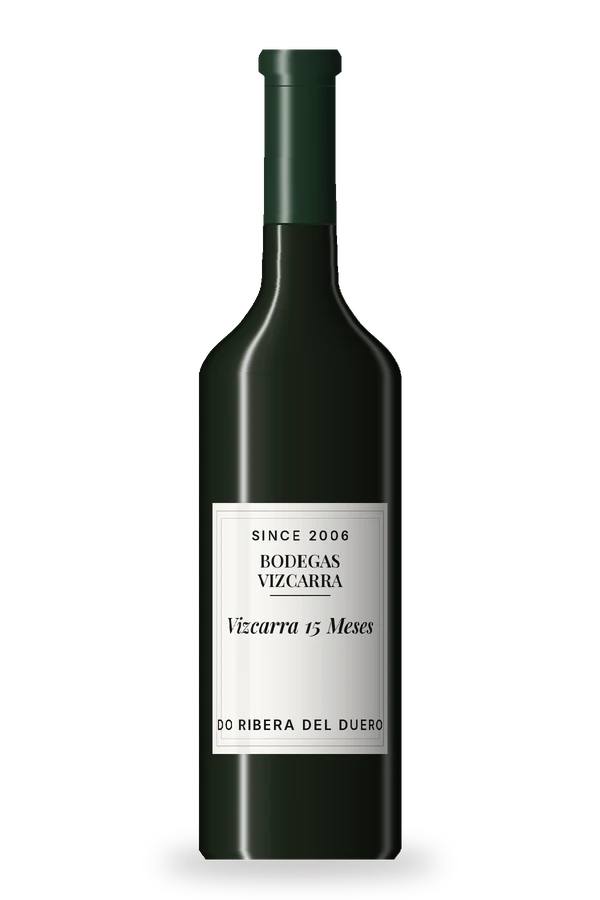
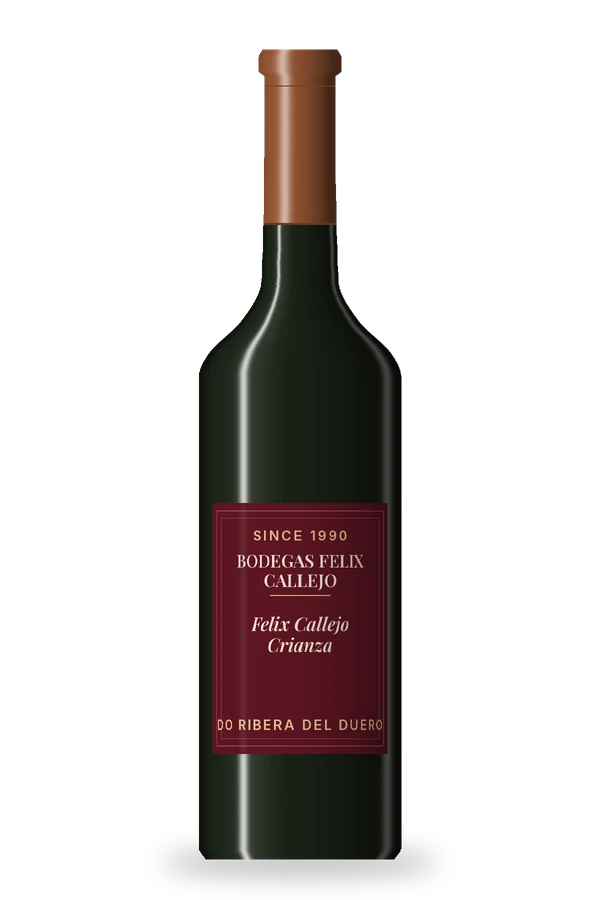
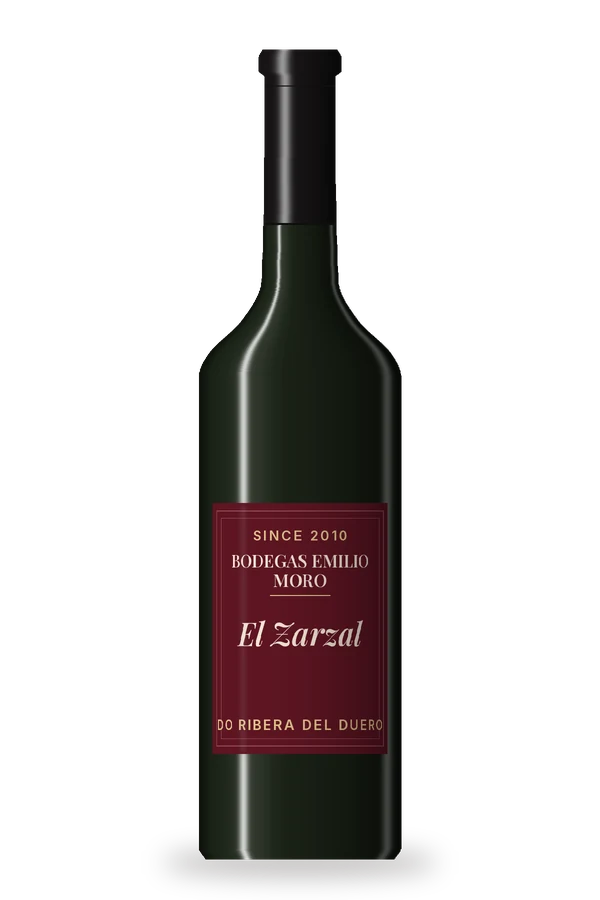
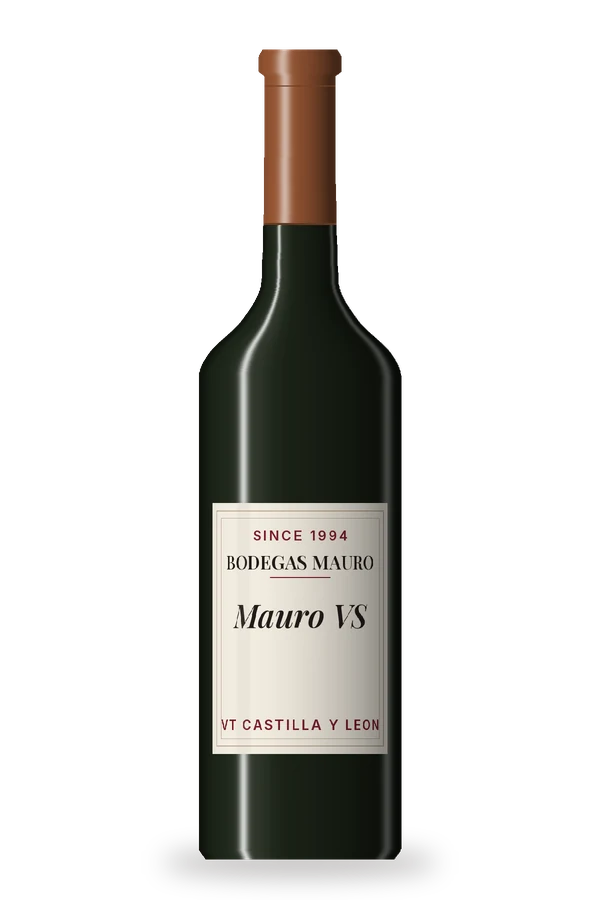
Fifteen months or more in French oak give these Tinto Fino cuvées dark fruit and full body; a well-cured Castellano, intense, salty and slightly piquant, meets that weight, and its fat softens the wine's tannin.
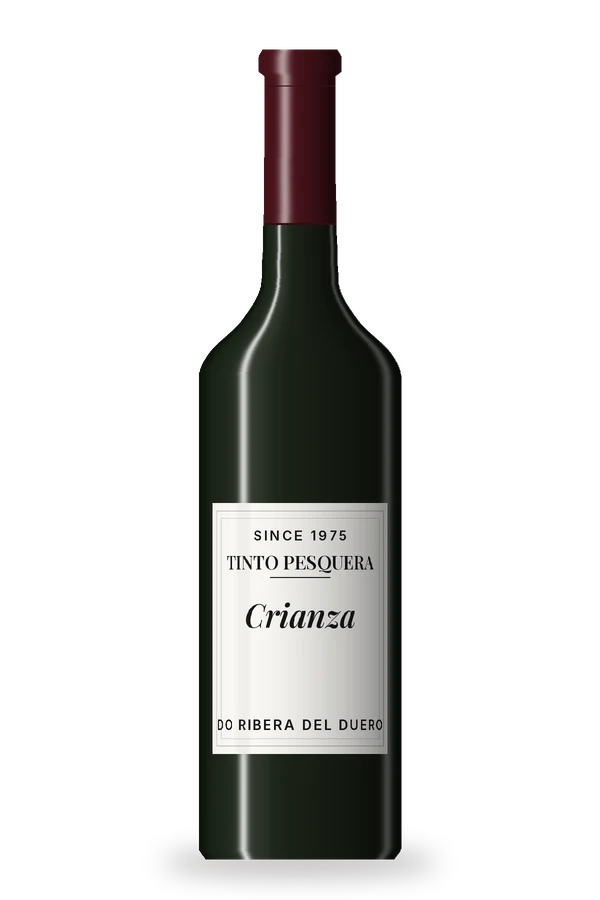
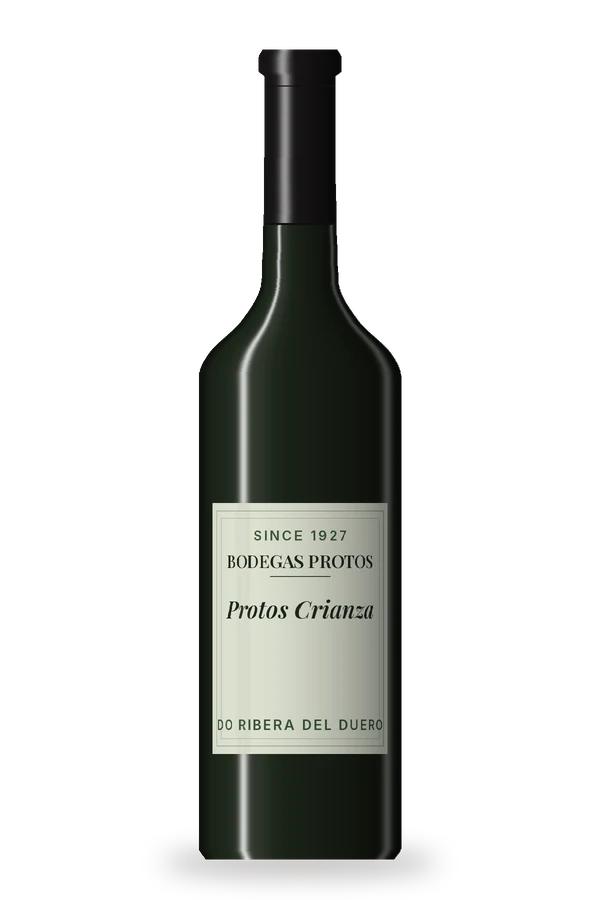
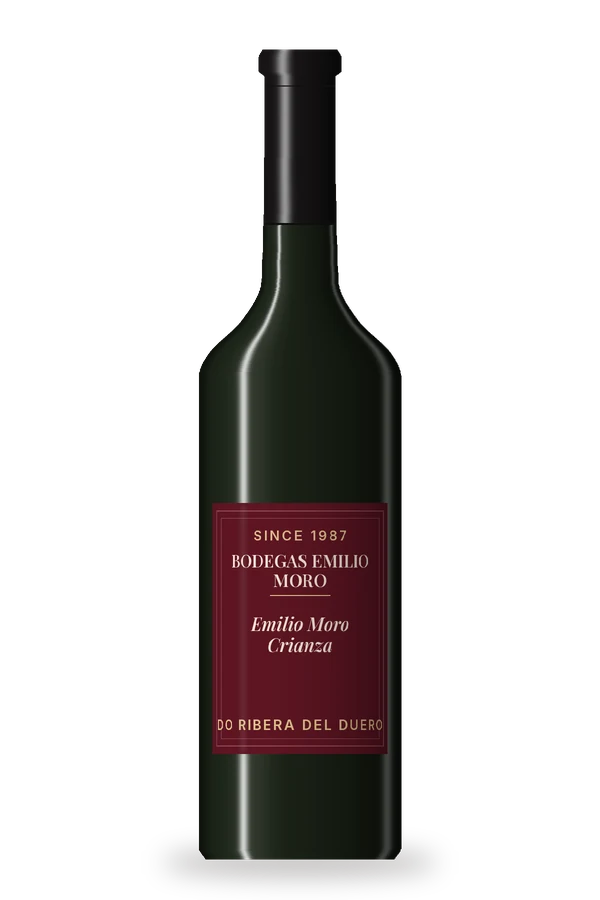
Castellano is firm, salty and acid, with a caramel note that grows with age. A year or so in oak gives Ribera Crianza ripe fruit and a toasty edge that meet that caramel, and the cheese's salt and fat soften the young Tinto Fino's tannin.
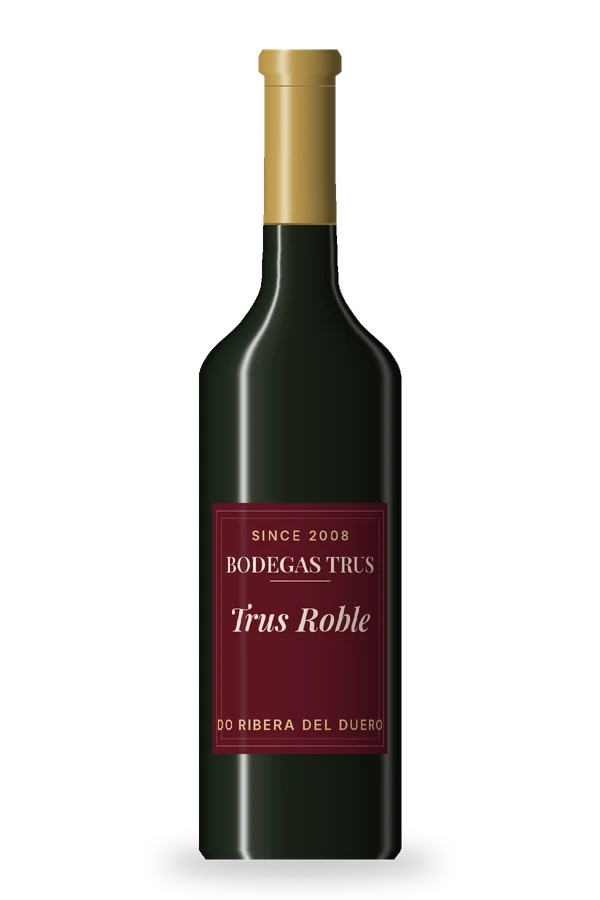
Four to six months in oak leave Roble Tinto Fino with fresh cherry fruit and light tannin; a young Castellano, acid and salty with a firm, grainy paste, meets that freshness without either covering the other.
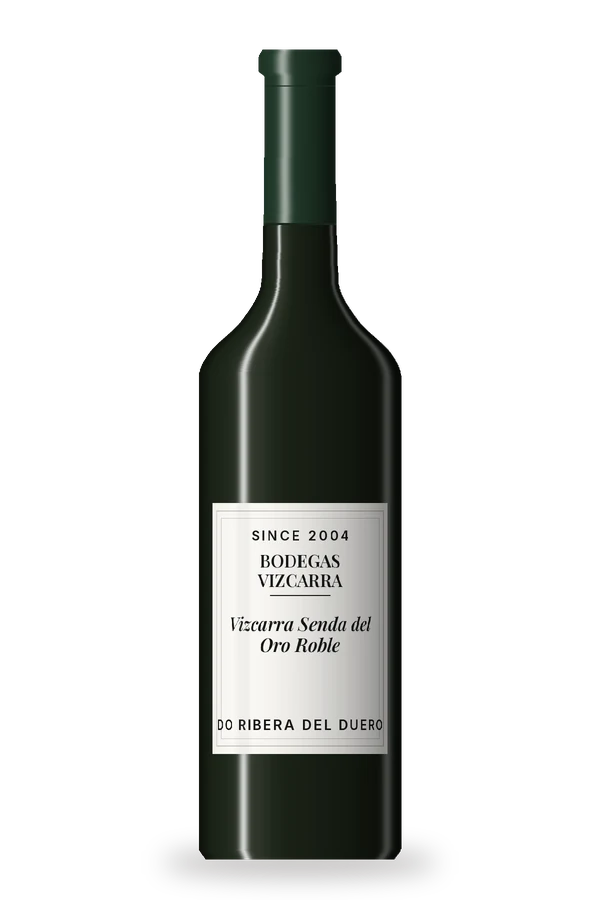
Tinto Fino raised in used French oak keeps fresh cherry fruit and medium body in front; a young Castellano's salt and tang suit that freshness, and the cheese's fat smooths the wine's light grip.
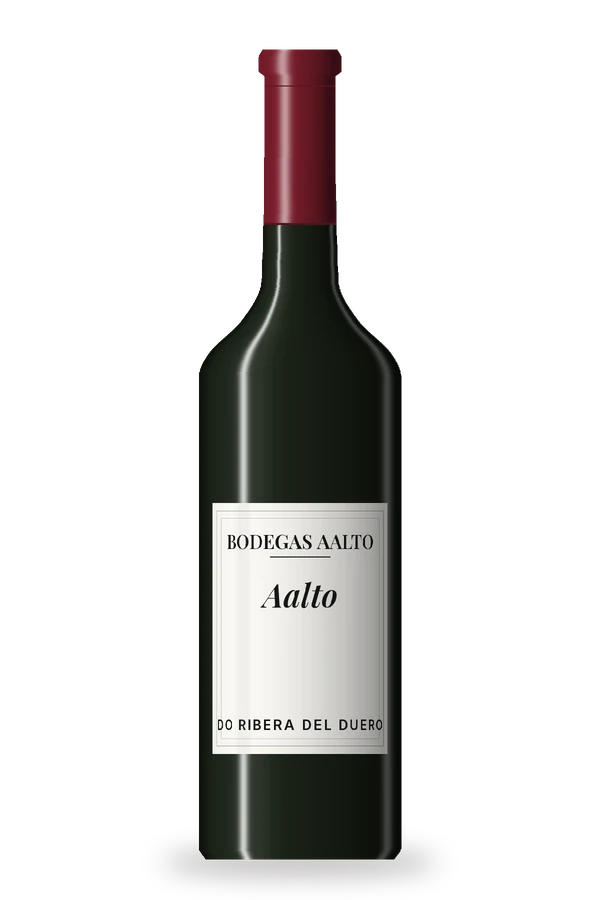
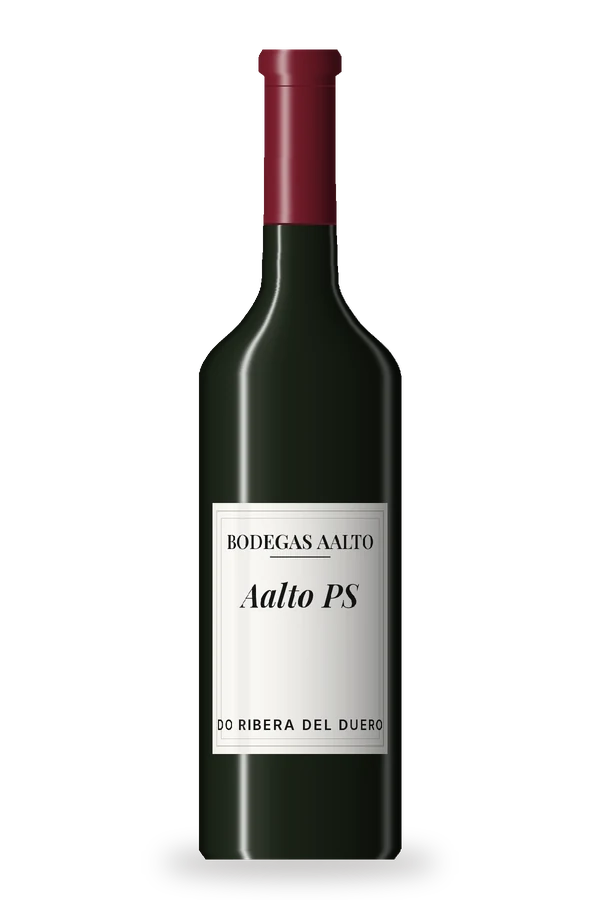
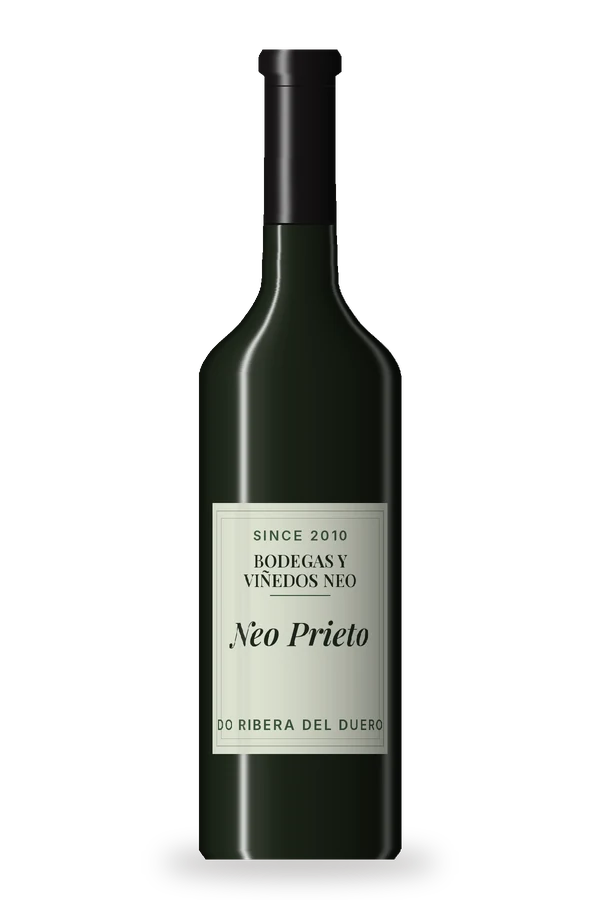
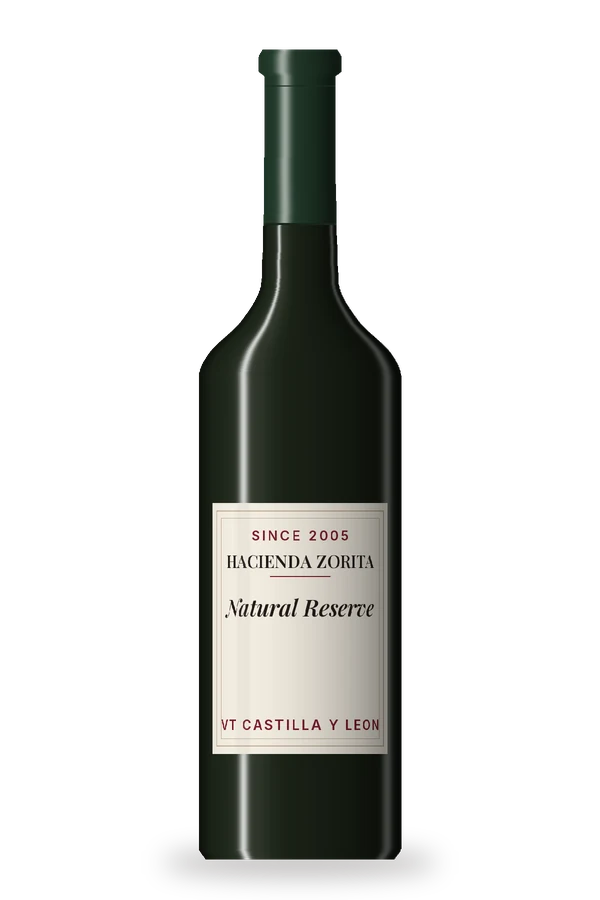
These Tinto Fino-led reds from the Castilian plateau, aged a year or more in oak, bring ripe fruit and structure; Castellano, made across Castilla y León, has the salt and fat to soften their tannin.
The grapes behind these winesTinto Fino
From the source
Peñafiel wine shop by the Duratón bridge, selling cheeses from Peñafiel and Castilla y León beside Ribera wines and hams, with free tastings on Saturdays.
Winery visit, a vineyard walk glass in hand and the underground barrel cellar, then a tasting of one barrel sample and two finished wines with cured Páramo de Guzmán cheese; groups of 4 to 12, booked 7 days ahead.
Meet the Churra ewes, learn how the artisan cheese is made and taste a selection matched with DO Ribera wine; for groups of 4 to 40.
Winery visit, a vineyard walk glass in hand and the underground barrel cellar, then one barrel sample and four finished wines with cured Páramo de Guzmán cheese and local charcuterie; groups of 4 to 12, booked 7 days ahead.
A visit that includes making your own fresh cheese by hand and a guided tasting of the farm's cheeses; for groups of 8 to 12.
A table set up in the shop with boards of cheese, wine and other products for a free tasting every Saturday, beside the Duratón bridge, with the castle of Peñafiel in view from the car park.
Across Castilla y León: the milk, the making and the maturing all stay in the region. Its protected area is the whole autonomous community, so it takes in the Burgos, Valladolid, Segovia and Soria parts of the Ribera del Duero without being tied to them.
Either. The specification allows raw or pasteurised sheep's milk. The IGP's own website notes a caramel smell that is stronger in cheeses made from pasteurised milk.
The specification gives maximums only: up to 25 cm in diameter, 15 cm in height and 3.8 kg. It does not give a typical size.
Same cheeseboard
Plan the trip
Tastings and tours where it is made, and somewhere to stay.
6 Day Wine and Gastronomy Tour of Northern Spain
All 17 experiences in Ribera del DueroBooking links go to our partners (GetYourGuide, Viator, Zen Hotels), who may pay us a commission. It never decides what we cover. Editorial standards.
Sources: protection register, eur-lex.europa.eu, www.quesocastellano.es. The drawing is made from the cheese's recorded shape, rind and paste, not a photograph.