
Käseecke Waltmann
Cheese shop and affineur in Erlangen, open since 1983, ripening raw-milk cheeses in a brick cellar under the shop; its range includes Fränkischer Weinkäse, a Lower Franconian farm cheese.

Cheese · PGI · Franken
Also labelled Gerupfter
from Bavaria: all processing of the ingredients must take place in the Free State of Bavaria; the raw materials may come from elsewhere. Called Gerupfter or angemachter Camembert in Franconia.
Obazda, also written Obatzter, is a cold cheese spread from Bavaria, usually eaten on bread. The EU specification requires Camembert and/or Brie (at least 40 percent of the product, at least 50 percent cheese in all), butter, paprika and salt; onion, caraway, herbs, cream, milk and beer are optional. German Wikipedia says that in Franconia the preparation is called Gerupfter or angemachter Camembert, in and around Bamberg sometimes Liptauer, and that Franconian cooks add wine to it while in Old Bavaria beer goes in. Obazda and Obatzter were entered in the EU register as a PGI on 26 June 2015.
Made in: Bavaria: all processing of the ingredients must take place in the Free State of Bavaria; the raw materials may come from elsewhere. Called Gerupfter or angemachter Camembert in Franconia
Light orange and spreadable, with recognisable pieces of cheese. Smell and taste are savoury and aromatic: slightly piquant from ripe Camembert or Brie, made milder by butter, with paprika rounding off the flavour.
Rind: none, eaten fresh
Wine and cheese
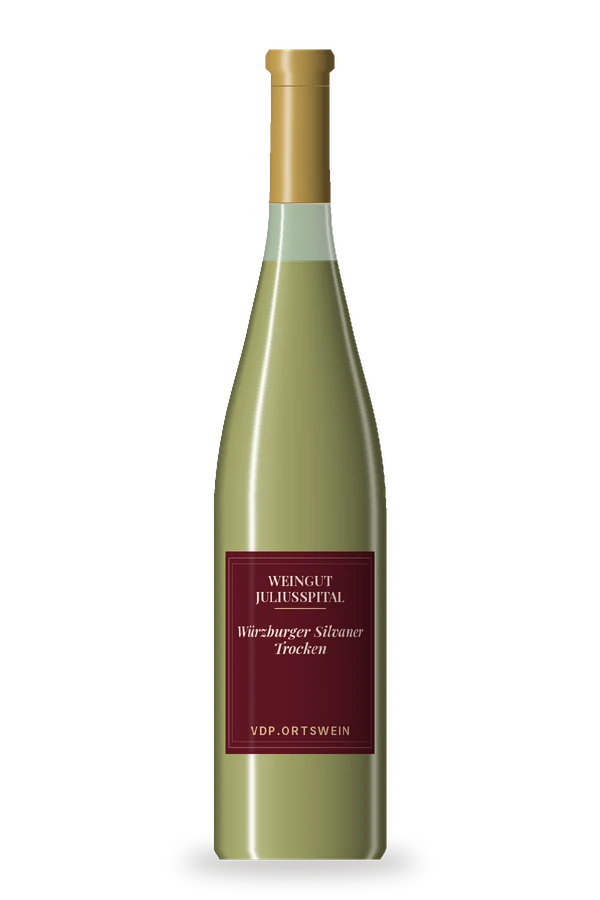
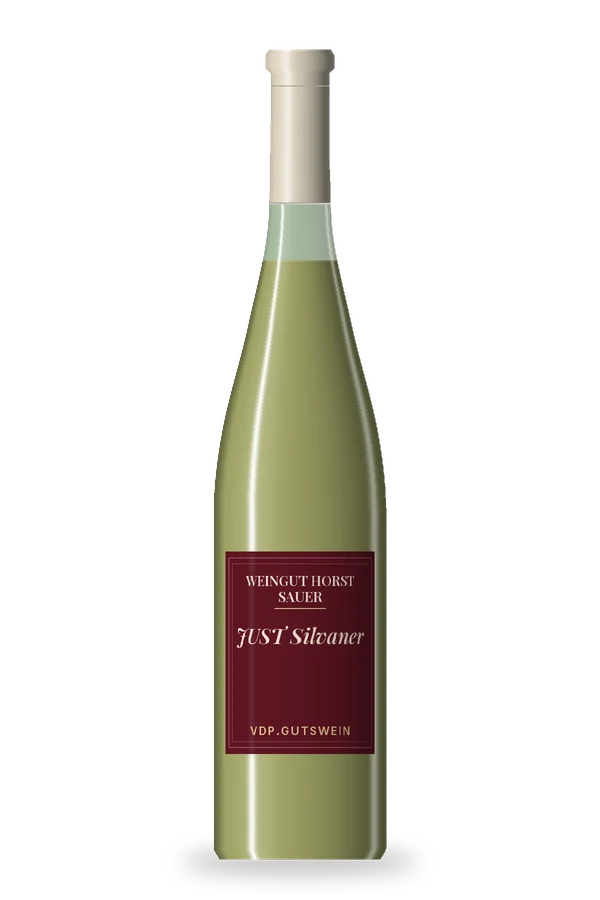
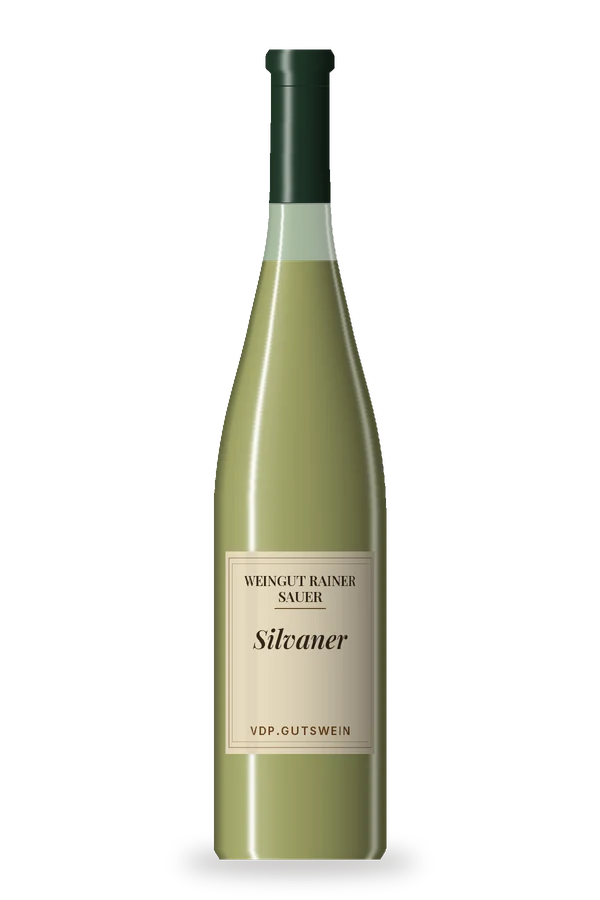
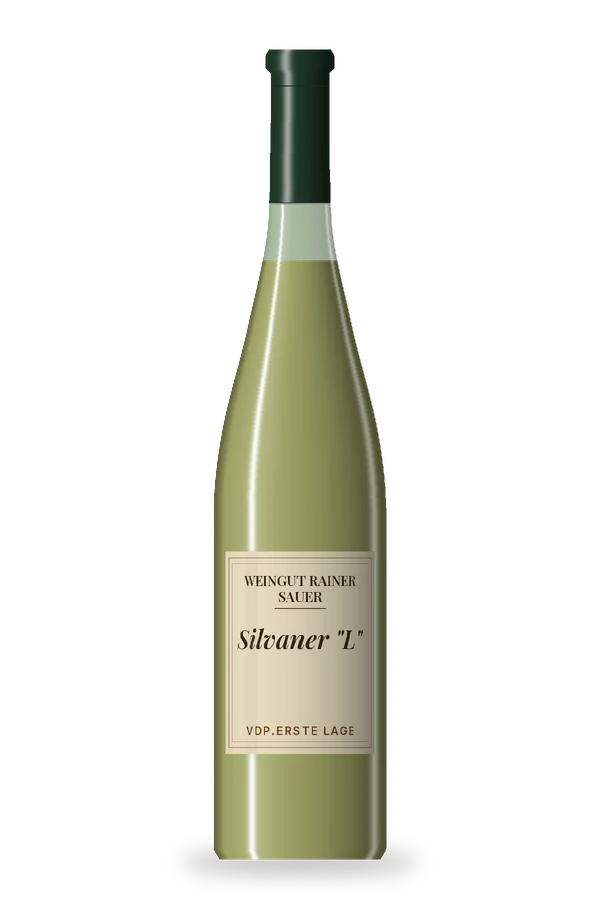
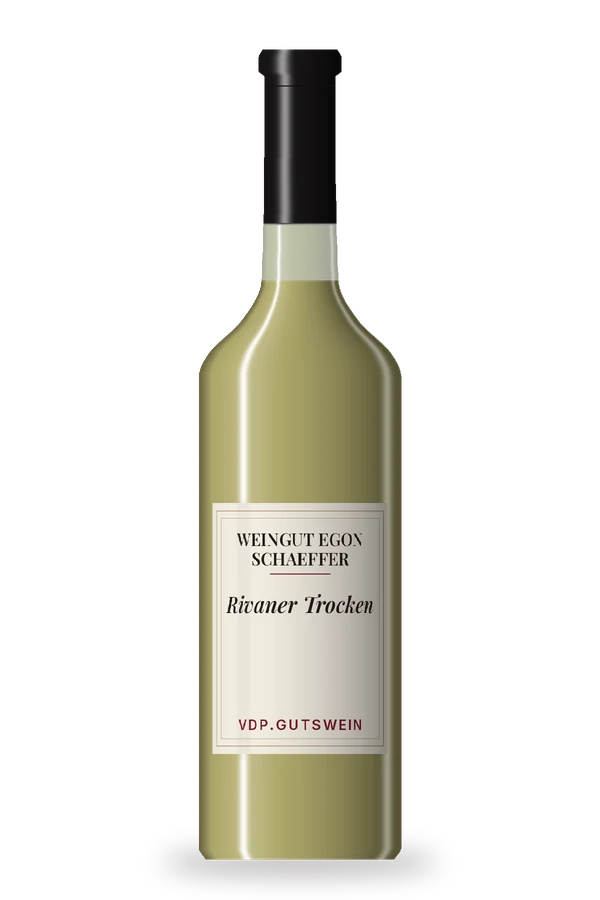
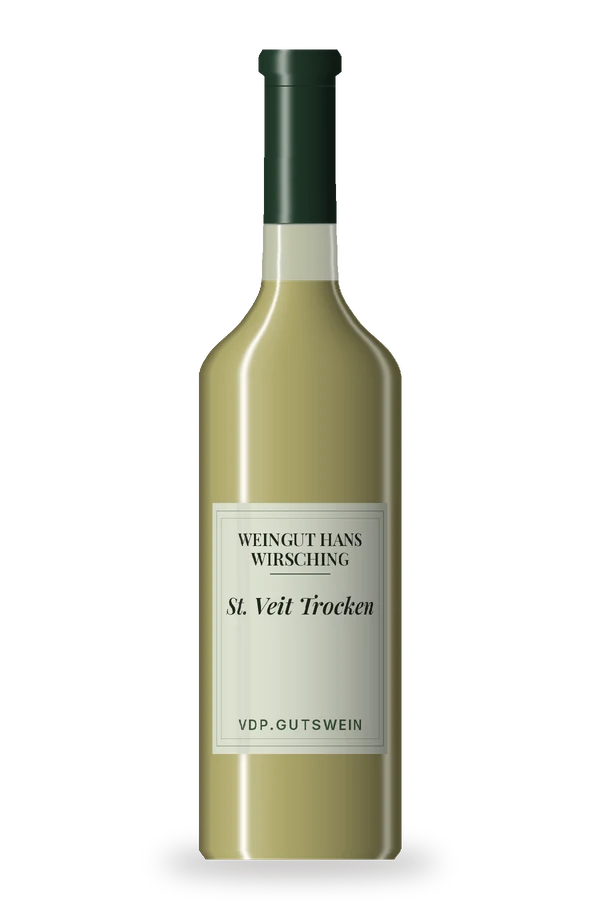
A dry, medium-bodied Silvaner with medium acidity is an easy partner for a paprika-seasoned spread at a Brotzeit: it has enough freshness for the butter and does not compete with the spice. German Wikipedia says Franconian cooks add wine to the spread itself.
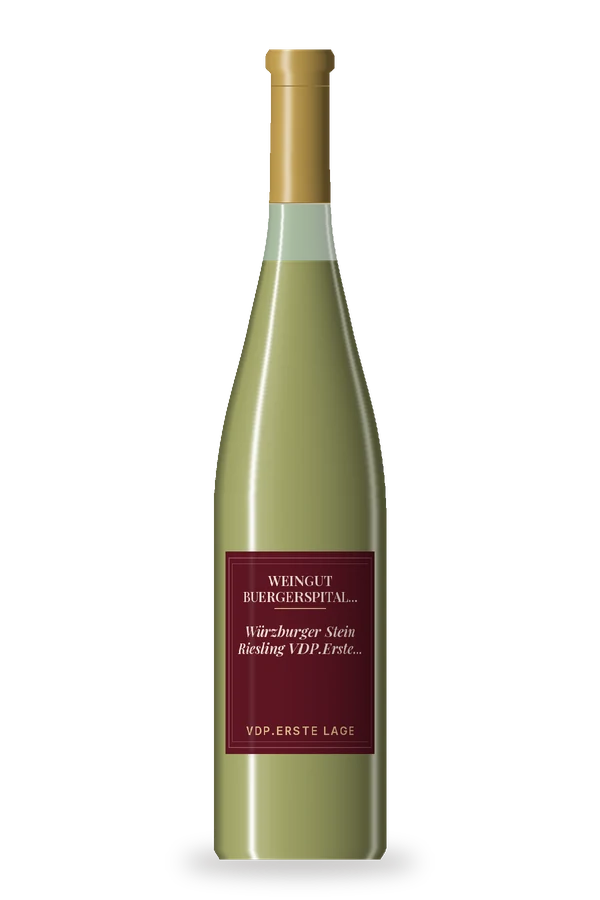
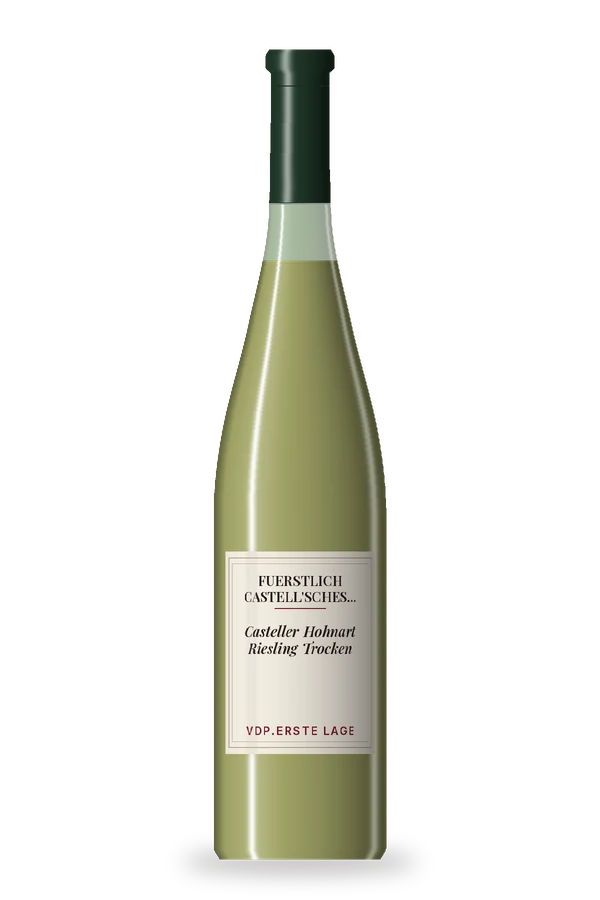
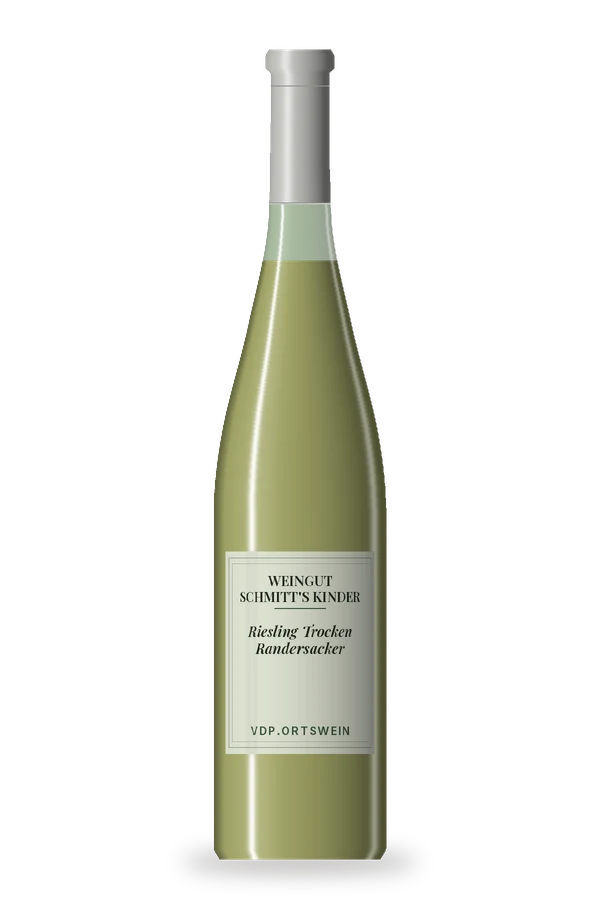
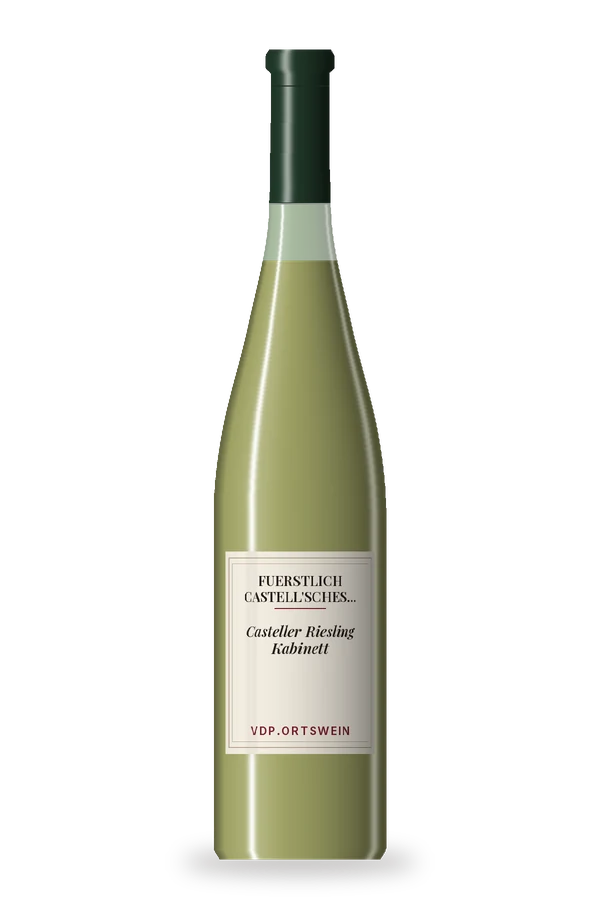
Dry Riesling with high acidity and a light to medium body: the acidity cuts the butter and soft cheese of the spread, and the lean frame leaves the paprika in front.
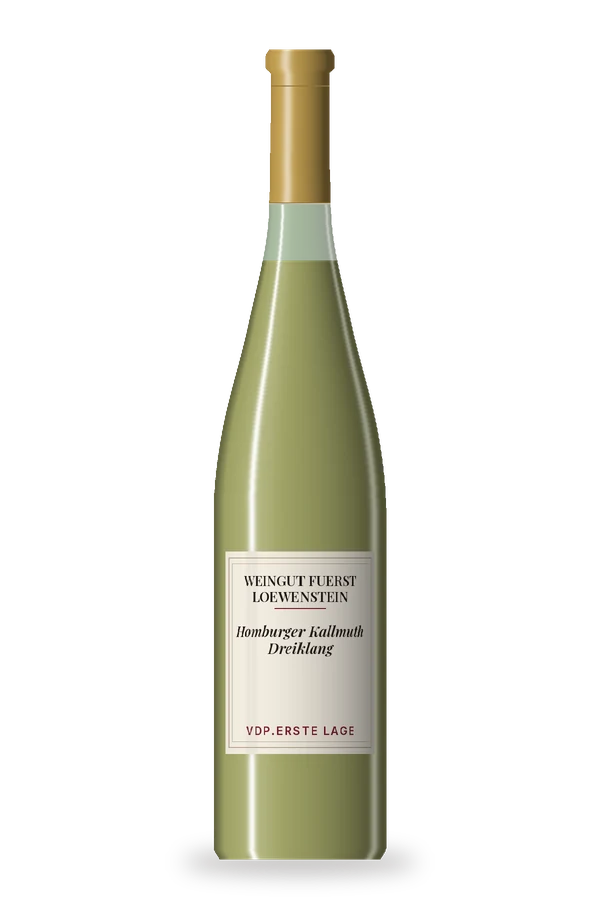
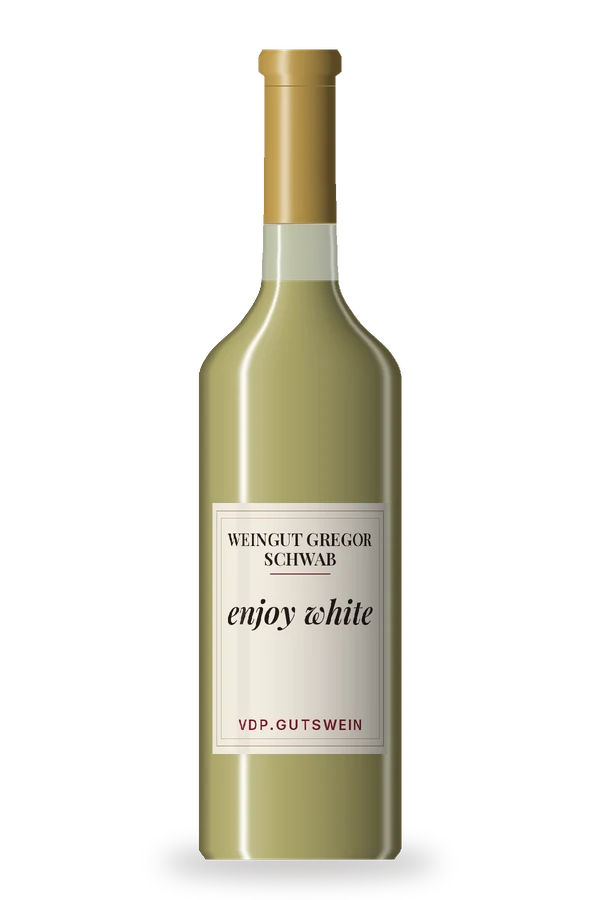
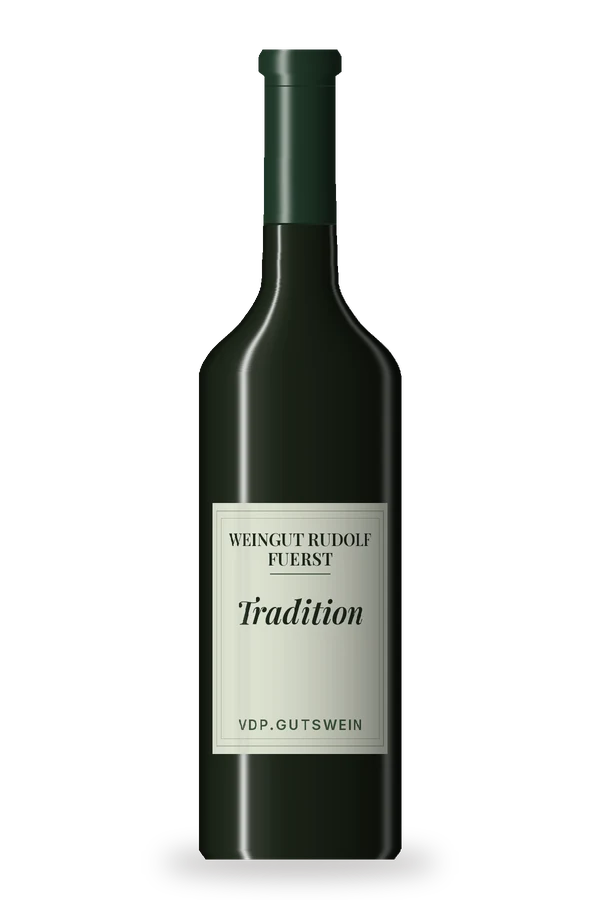
A dry three-grape white of Silvaner, Riesling and Weissburgunder from premier-cru sites, medium-bodied with medium acidity and a long finish; a rounder, more layered partner for the spread than a simple Silvaner.
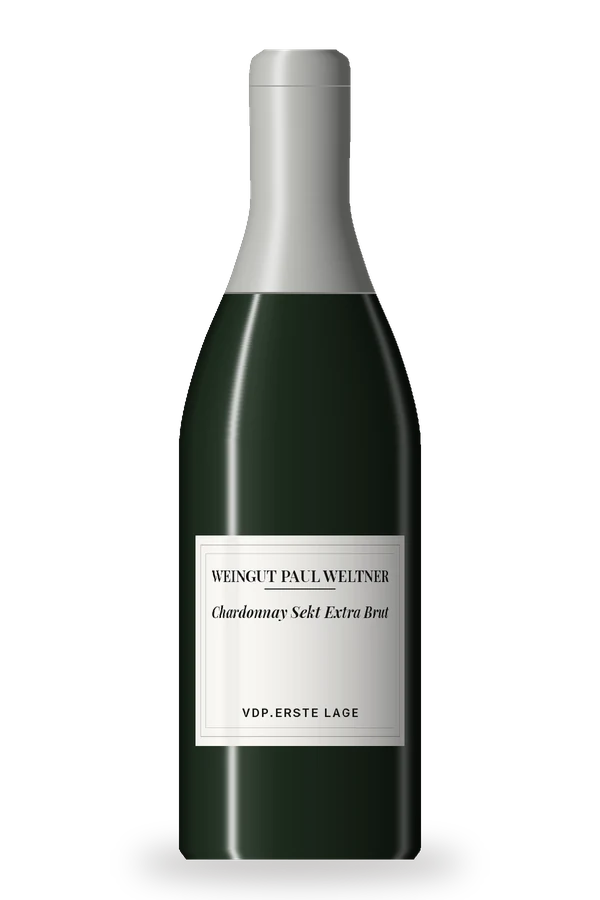
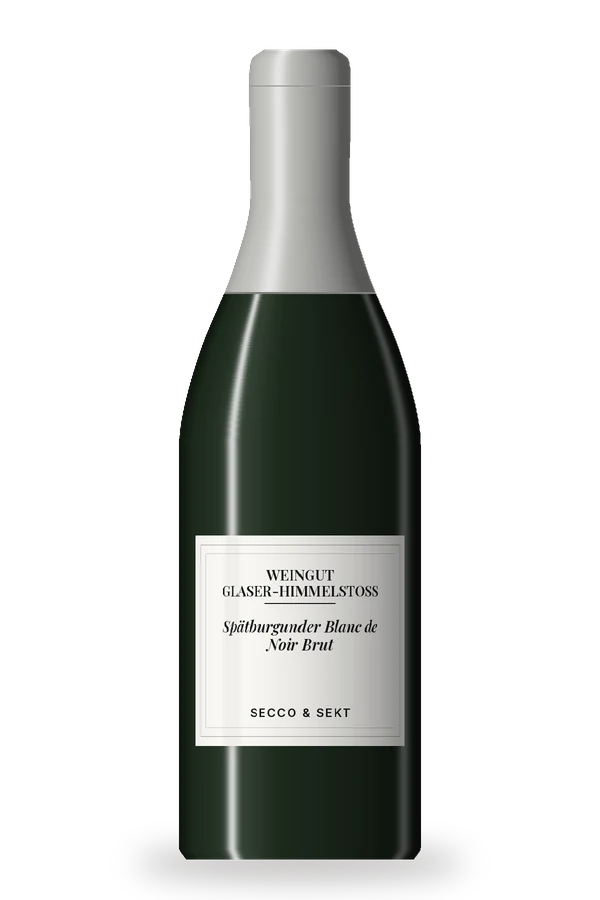
Dry bottle-fermented Sekt with high acidity: the freshness and the bubbles clear the palate of butter and salt between bites of a paprika-seasoned spread.
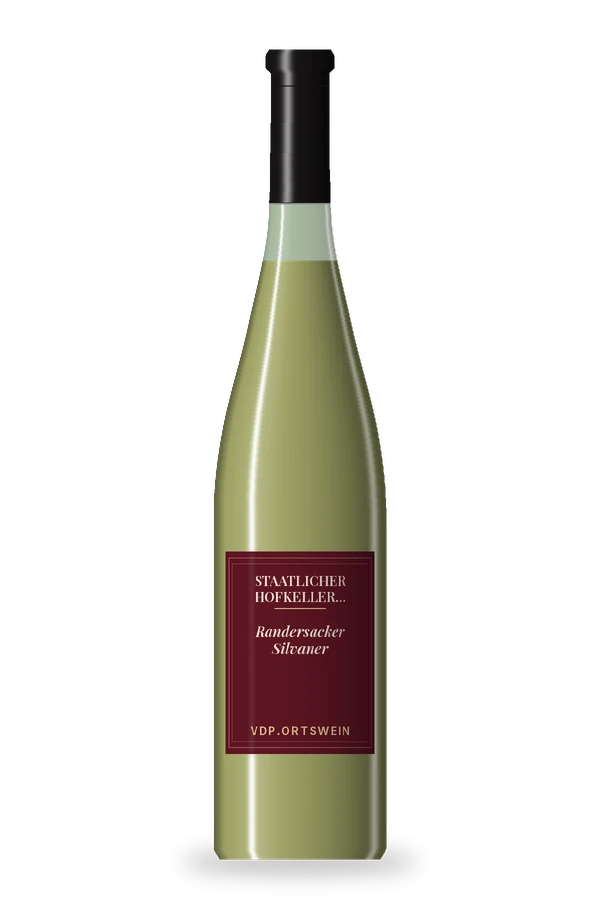
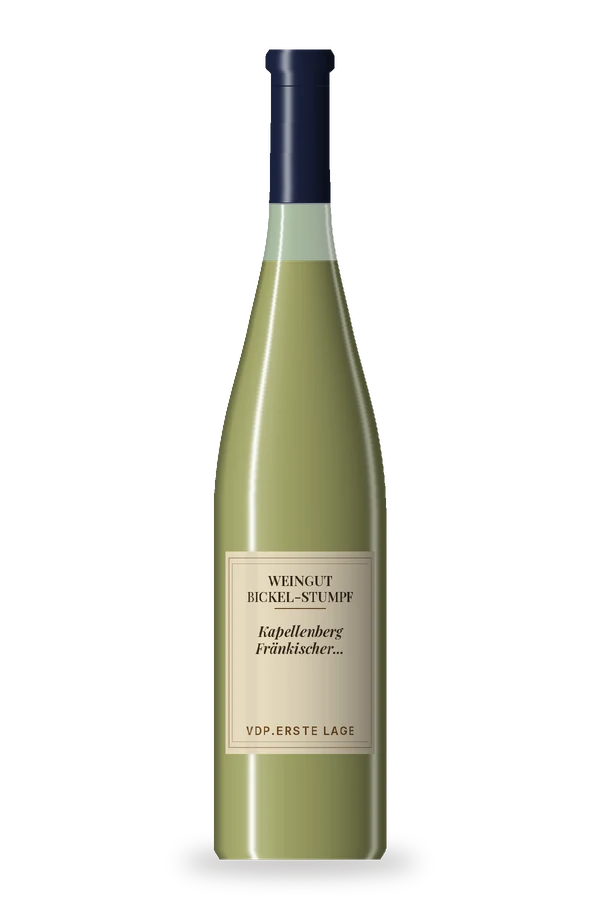
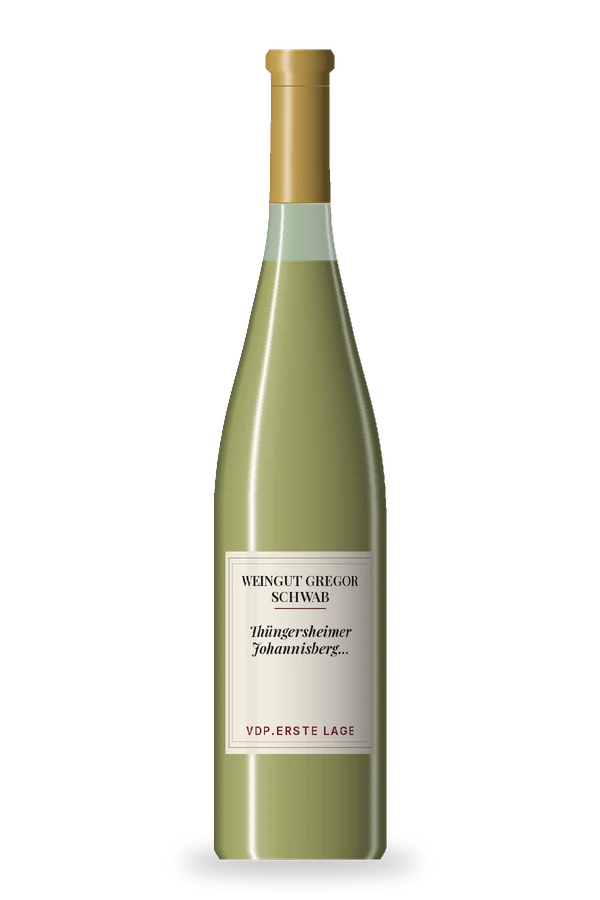
Dry single-site Silvaner from Erste Lage vineyards, medium-bodied with medium acidity: it has the freshness to cut the butter and salt of the spread, and a little more depth than the village bottlings.
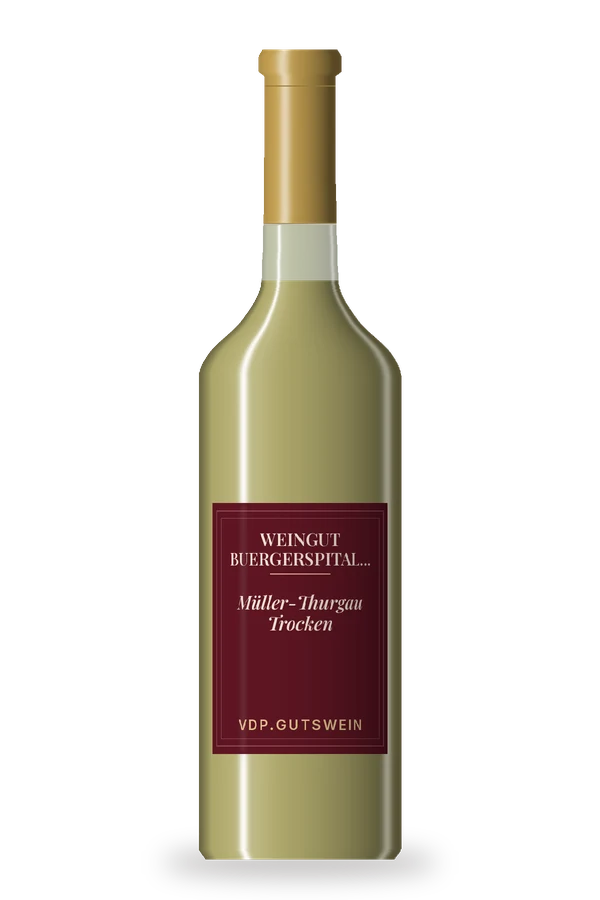
A light-bodied, dry Müller-Thurgau with medium acidity: a fresh, undemanding partner for a buttery, paprika-seasoned spread, with no weight to compete with the cheese.
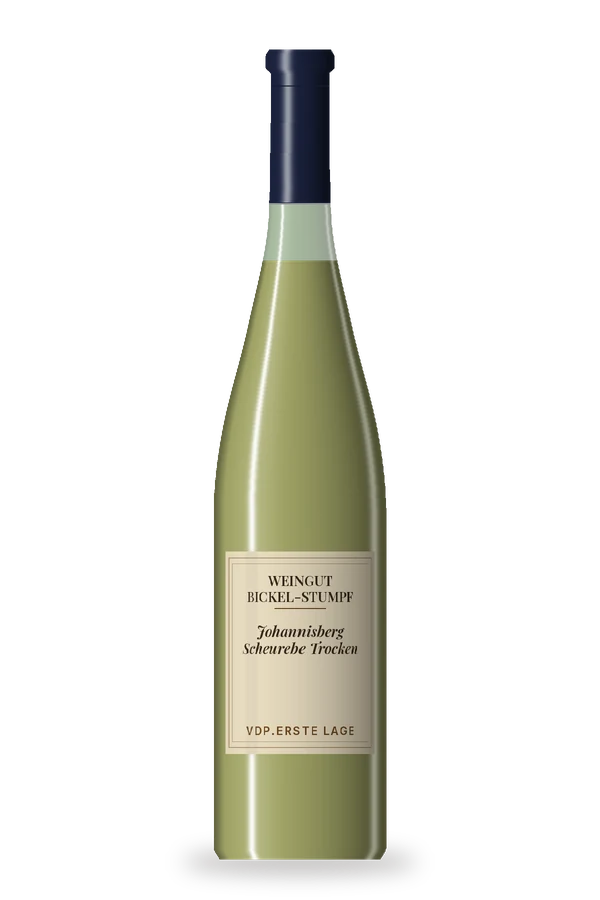
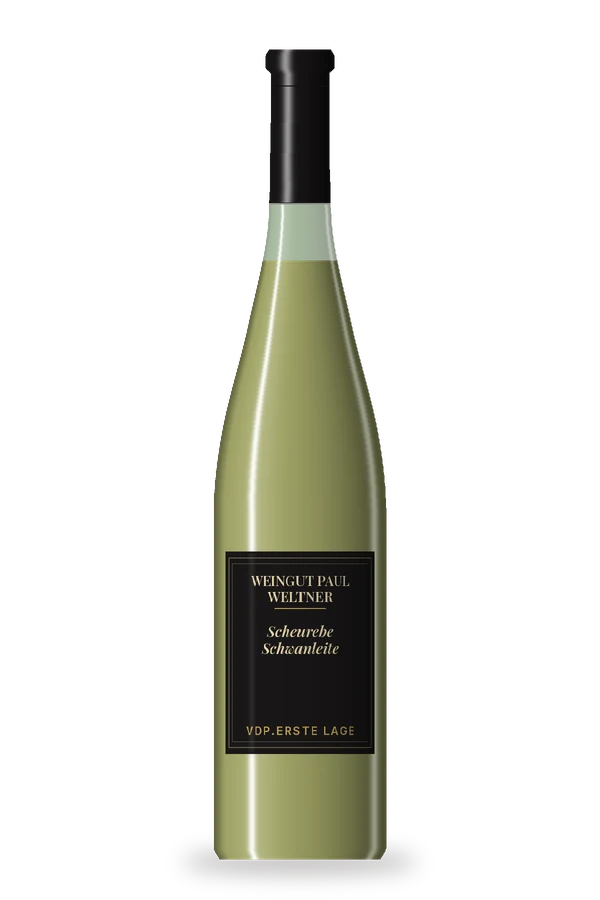
Dry Scheurebe from premier-cru sites, an aromatic white with medium body and high acidity: its aromatics hold up beside the paprika while the acidity cuts the butter.
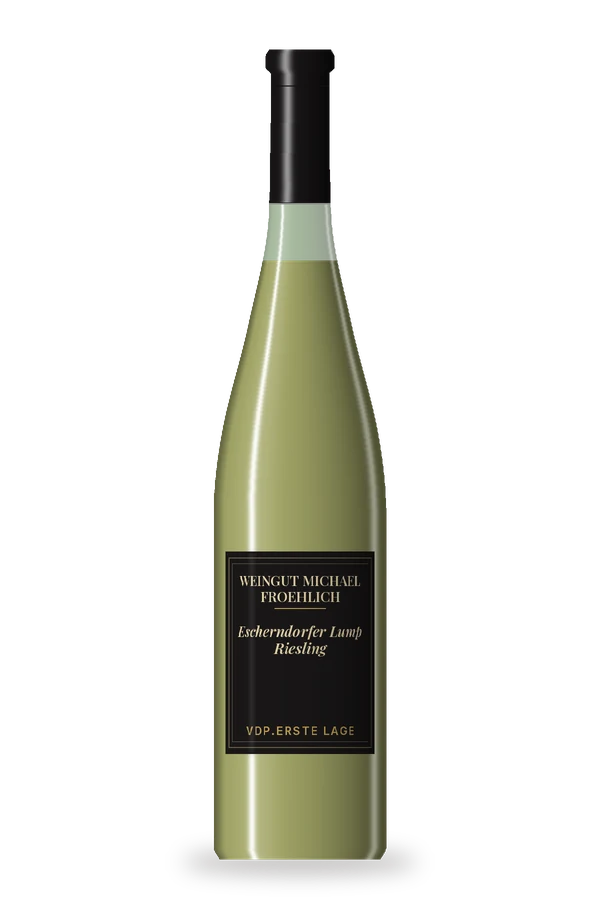
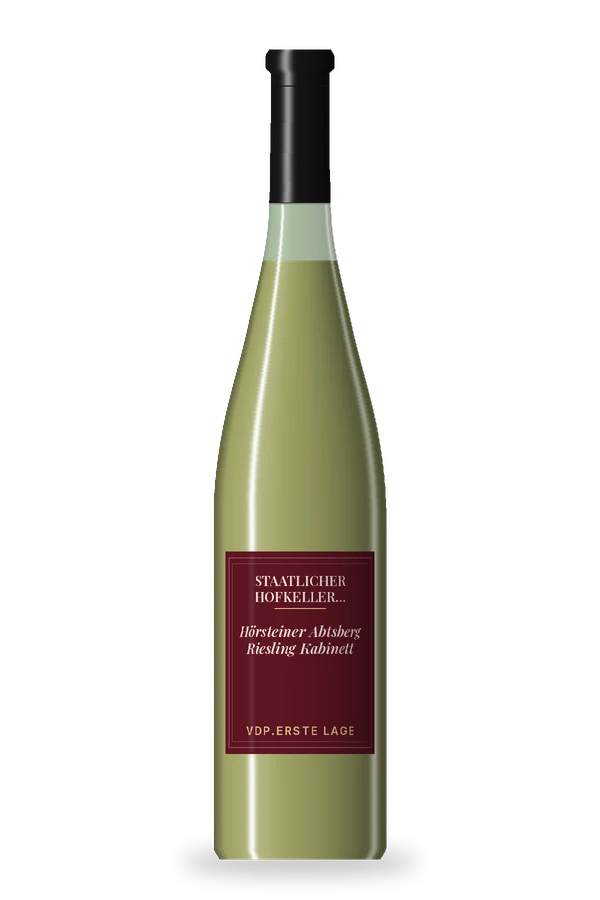
Off-dry Kabinett Riesling, light-bodied with high acidity: a little sweetness against the salt and paprika of the spread, and acidity against the butter.
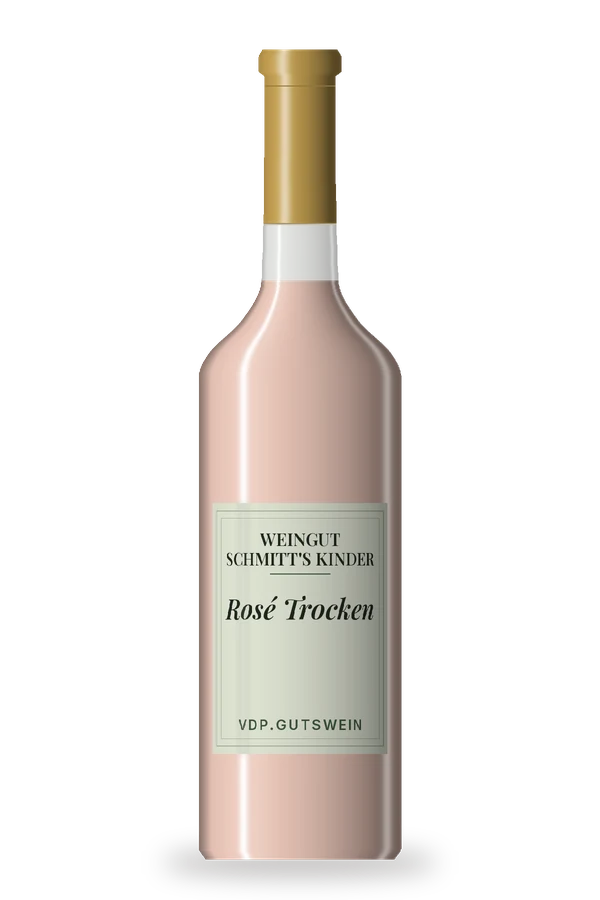
A light, dry organic Spätburgunder rosé from Randersacker with medium acidity, a fresh counter to the salt and paprika of the Brotzeit spread.
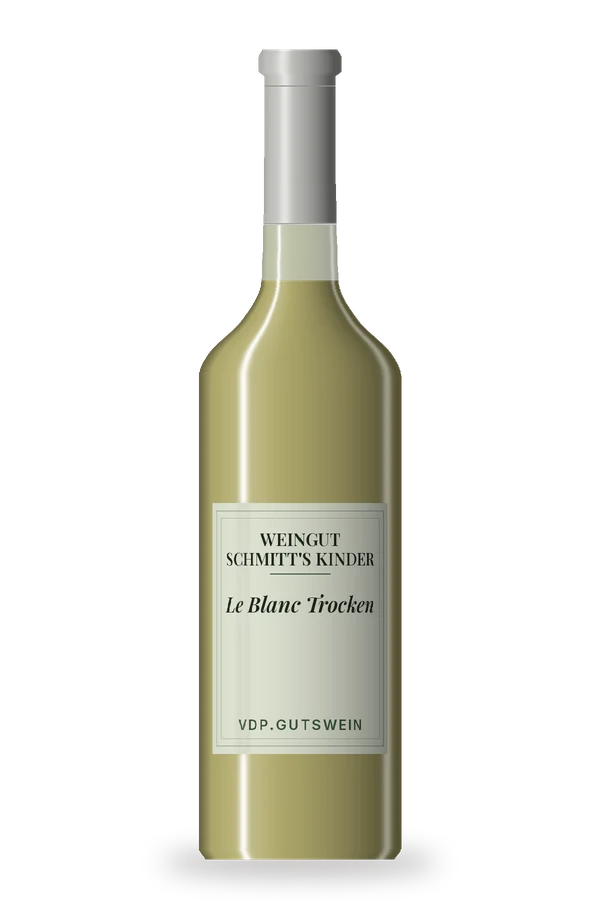
Light-bodied dry white cuvées with Müller-Thurgau in the blend and medium acidity: easy, fresh wines for a Brotzeit spread that is salty and paprika-seasoned.
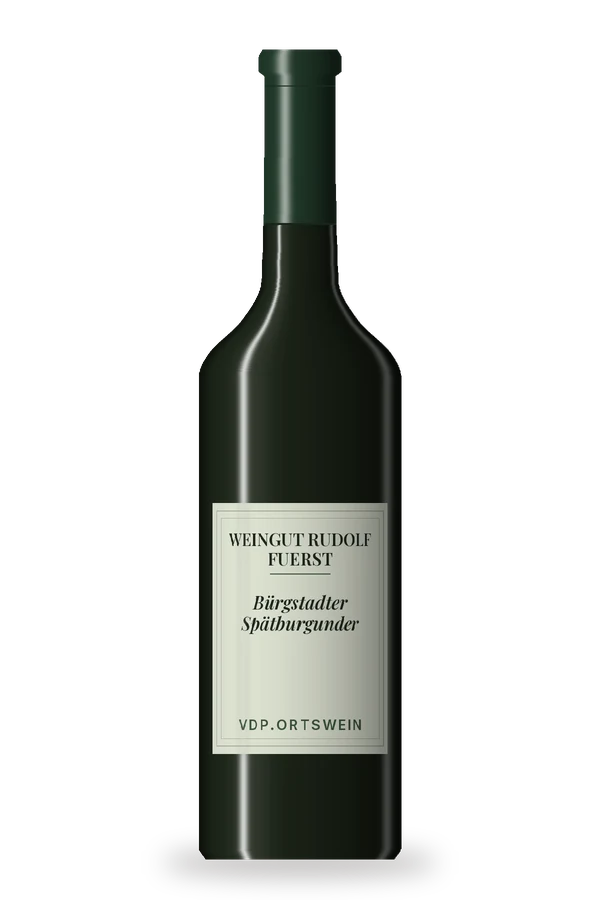
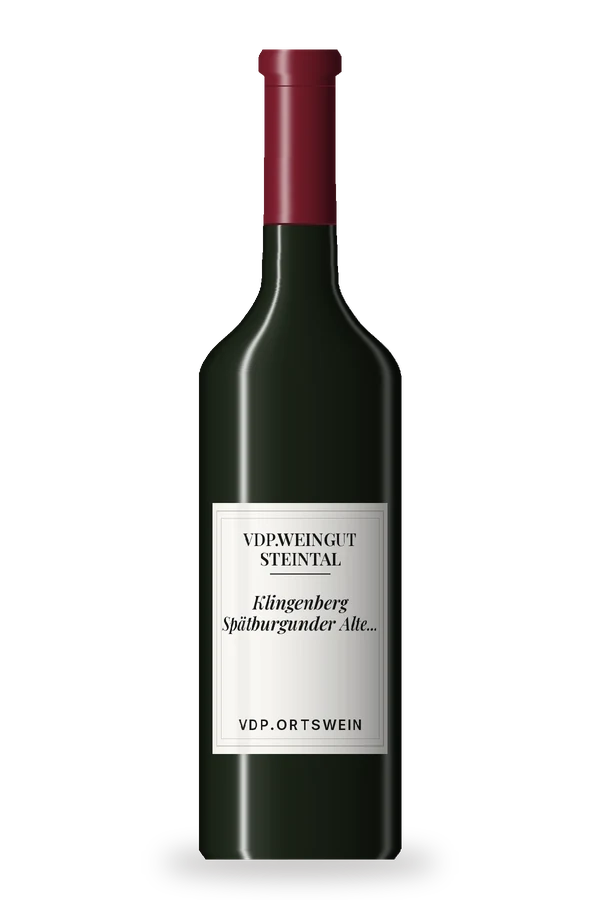
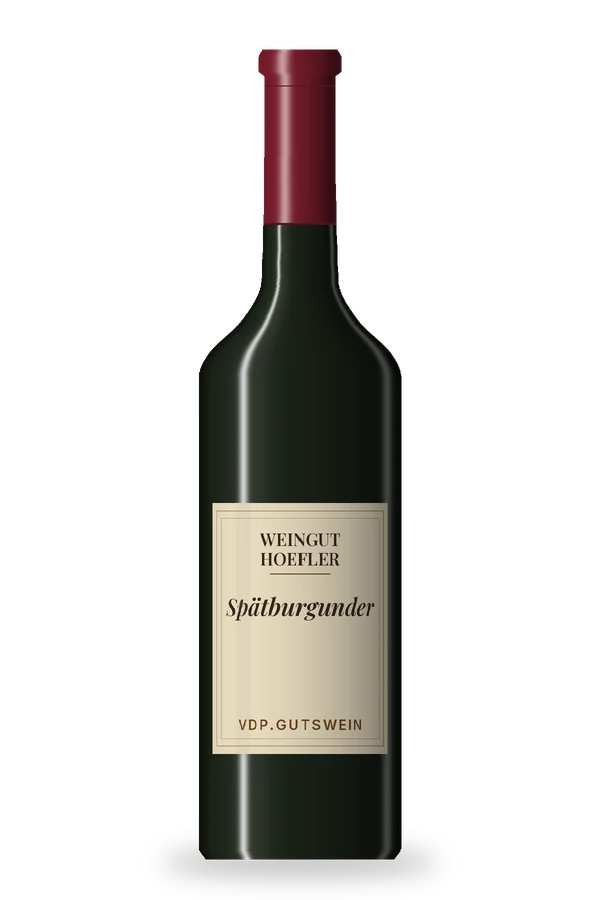
A medium-bodied dry Spätburgunder with fresh acidity: enough freshness for a creamy, paprika-seasoned spread, without the weight of the grand-cru reds. The red option for the Brotzeit table.
The grapes behind these winesSilvanerRieslingSpaetburgunderMueller-ThurgauScheurebeWeissburgunder
From the source
Cheese shop and affineur in Erlangen, open since 1983, ripening raw-milk cheeses in a brick cellar under the shop; its range includes Fränkischer Weinkäse, a Lower Franconian farm cheese.
Cheese shop in the wine village of Randersacker, about 4 km from central Würzburg, open Friday afternoon and Saturday morning; owner Jürgen Hammer is a cheese sommelier and offers tastings and seminars.
Hands-on cheese making in 5-litre pots at the Schmalzmühle in Röckingen, with a small tasting of the farm's cheese and a look into the creamery or the barn at the end.
At the Schmalzmühle in Röckingen each table gets a pot of milk to make cheese, then four courses of the farm's cheese with home-baked bread; guests take their own cheese home.
At the Berghof in Schöllkrippen each guest gets a pot of milk and makes cheese with the farm's cheesemaker, then tastes its cheeses at a buffet with side dishes and drinks.
Evening seminar at the Schmalzmühle in Röckingen: guests make cheese, then taste four cheese courses with eight wines, with guest winemaker Bernhard König of Randersacker.
German Wikipedia says that in Franken the Obazda preparation is called Gerupfter or angemachter Camembert (also Angemachter), and in and around Bamberg sometimes Liptauer.
Yes. Obazda and Obatzter are a protected geographical indication in the EU eAmbrosia register (file PGI-DE-1069), registered on 26 June 2015. All processing of the ingredients must happen in Bavaria, though the raw materials may come from elsewhere.
The EU specification requires Camembert and/or Brie (at least 40 percent of the product; Romadur, Limburger or fresh cheese may be added, at least 50 percent cheese in all), butter, paprika powder or extract and salt. Onion, caraway, other spices and herbs, cream, milk and beer are optional.
Plan the trip
Tastings and tours where it is made, and somewhere to stay.
Würzburg, guided tour of the wine cellar, incl. Tasting of three wines
All 61 experiences in FrankenBooking links go to our partners (GetYourGuide, Viator, Zen Hotels), who may pay us a commission. It never decides what we cover. Editorial standards.
Sources: protection register, ec.europa.eu, de.wikipedia.org. The drawing is made from the cheese's recorded shape, rind and paste, not a photograph.
