Tokaj wine tasting with Aszú in a UNESCO Heritage Cellar
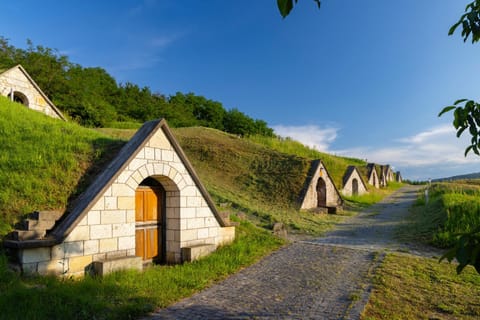
Discover a family winery in Tokaj's UNESCO World Heritage cellar village. Explore a hand-built cellar, enjoy a 6-wine tasting including Tokaji Aszú, and add an optiona...

Hungary
Aszú gold from volcanic hillsides, 1737 royal decree, 2002 UNESCO inscription
The Tokaj wine region (Tokaj-Hegyalja) occupies 5,500 hectares of volcanic hillsides in northeast Hungary at the confluence of the Bodrog and Tisza rivers. Formally classified by royal decree of Charles VI in 1737, it is one of the world's oldest legally defined wine appellations, predating Bordeaux classifications by more than a century. In 2002 UNESCO inscribed the Tokaj Wine Region Historic Cultural Landscape on its World Heritage List, recognising the integration of winemaking, landscape and built heritage across 27 villages. The region's signature wine, Tokaji Aszú, is made from grapes individually selected after they have been shrivelled and concentrated by Botrytis cinerea (noble rot), encouraged by the autumn mists that rise from the two rivers. Botrytised berries, called aszú, are macerated in fermenting base wine or must and the resulting sweet wine graded by sweetness: since 2013, the minimum legal level for the Aszú label is 5 puttonyos (approximately 120 g/L residual sugar). The ultra-rare Tokaji Eszencia, free-run juice from unpressed aszú berries, reaches 500 to 900 g/L residual sugar and takes years to ferment. Furmint dominates plantings at approximately 70%, providing the backbone for both Aszú and the dry white revival that gathered pace after 1989. Hárslevelű (linden leaf), Sárga Muskotály (Muscat Blanc à Petits Grains), Zéta, Kabar and the near-extinct Kövérszőlő complete the permitted varieties. The post-communist revival, led by pioneering estates such as Szepsy from 1989 onwards and joined by foreign investors at Royal Tokaji, Disznókő and Oremus in the early 1990s, transformed the region from state-controlled bulk production into a quality-focused appellation with strong international recognition. The village of Mád has emerged as the modern winemaking hub, concentrating the highest density of quality producers around the historic dűlő (single-vineyard) sites of Nyulászó, Szt. Tamás, Birsalmás and Betsek. Tarcal, to the south, hosts the first-class classified Mézes Mály (Honey Meadow). Tolcsva shelters Oremus and the deep tunnel cellar network dating to the 13th century. Thirty years after the private revival began, Tokaj is Hungary's most internationally exported wine region by volume and the country's most recognised wine appellation abroad.
Discover a family winery in Tokaj's UNESCO World Heritage cellar village. Explore a hand-built cellar, enjoy a 6-wine tasting including Tokaji Aszú, and add an optiona...
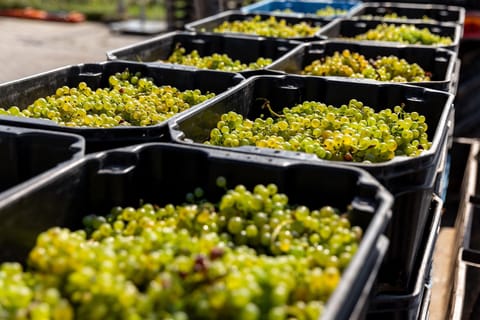
Experience the magic of the Tokaj wine region during a unique harvest experience. Stroll through the vineyards, pick grapes, and learn about the creation of world-famo...
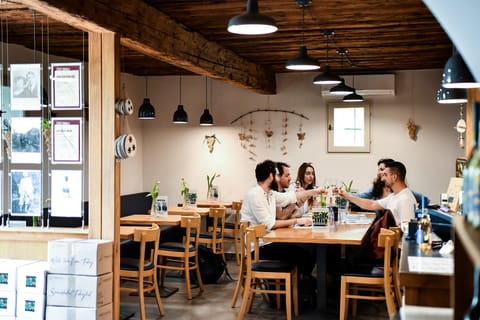
Discover Tokaj, the most famous Hungarian wine region. Visit a family-owned winery and enjoy a wine tasting.
Where to stay
Base yourself in the wine towns: compare hotels, guesthouses and wine-country stays. Prices and availability open on the partner site.
Most estates are a drive apart: car hire from Debrecen on VIP Cars
Every vineyard, tasting room, wine bar and cellar we cover in Tokaj, pinned. Click a pin for the page.
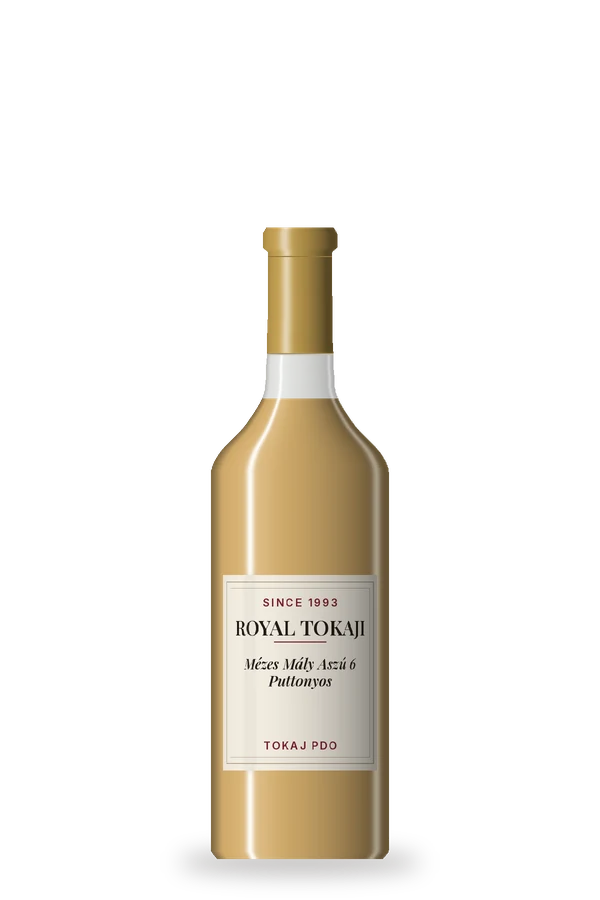
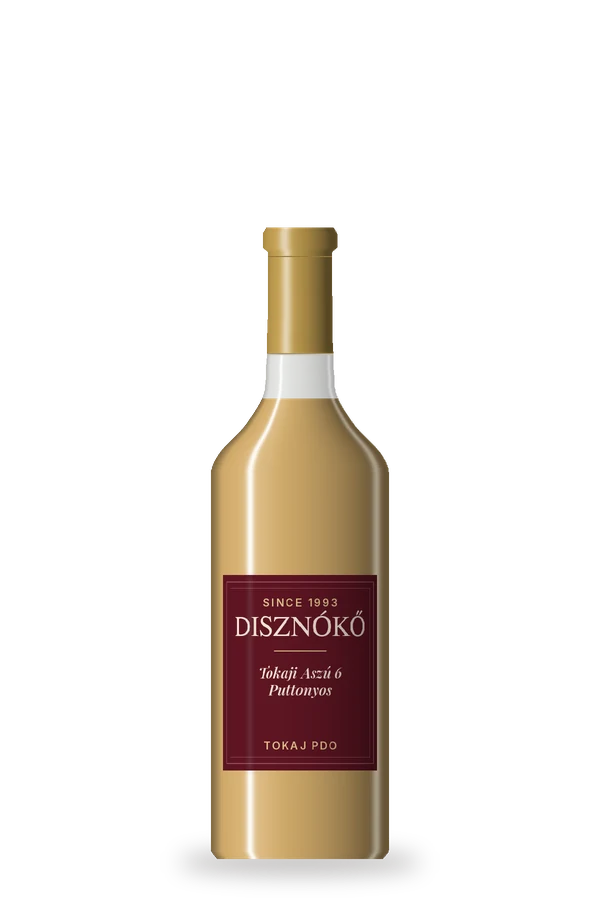
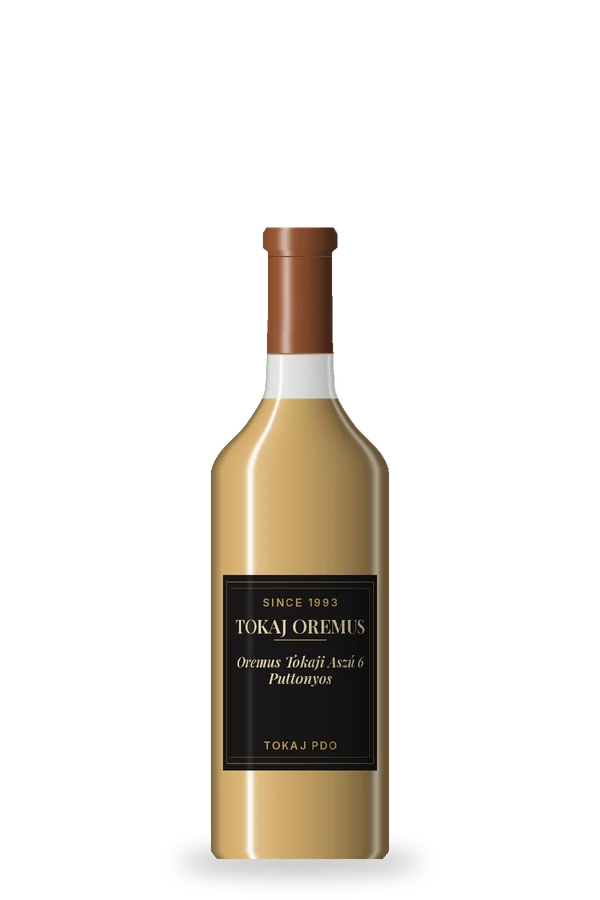
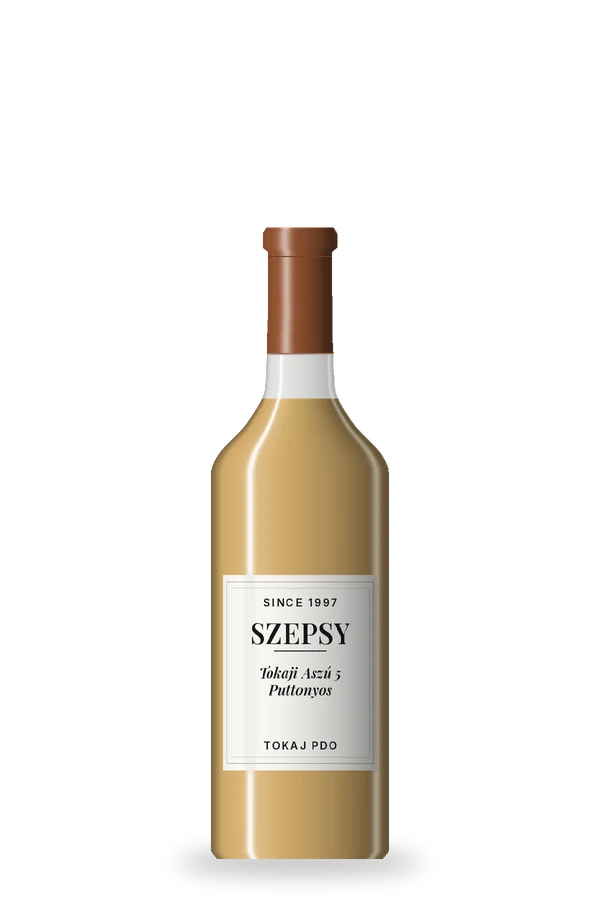
The iconic bottles that define Tokaj.
Producer: Royal Tokaji
Price: €80-140 at retail
Producer: Disznoko
Price: €50-90 at retail
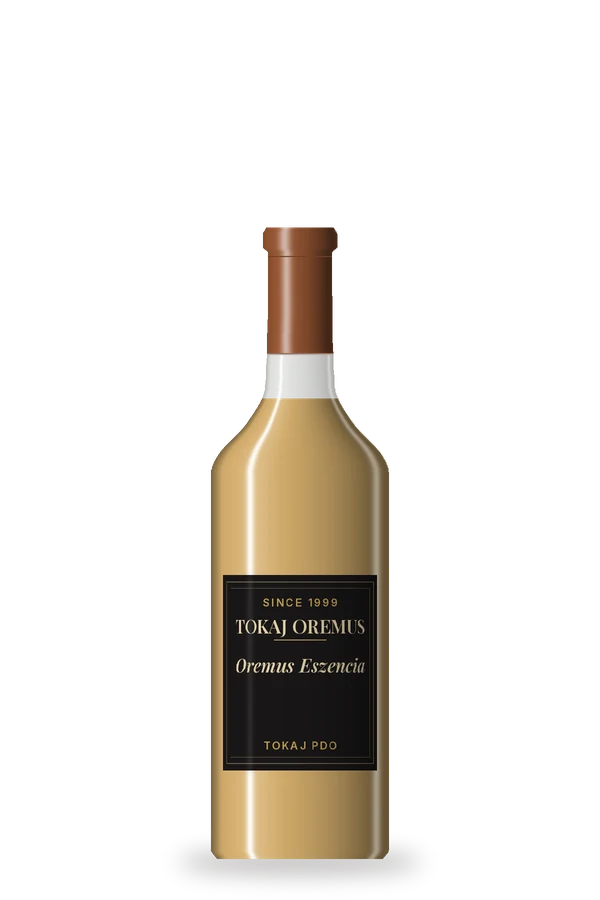
Producer: Oremus
Price: €55-90 at retail
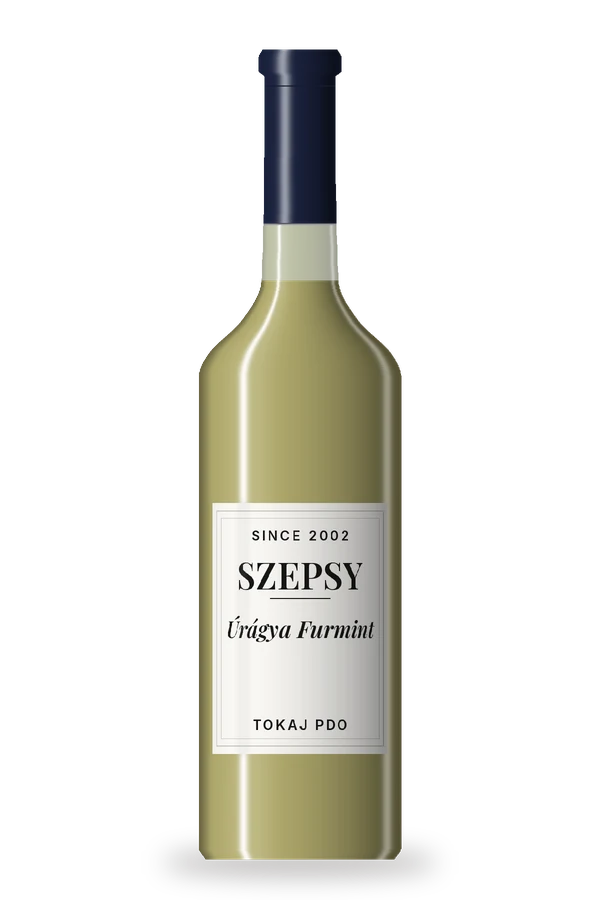
Producer: Szepsy
Price: €80-140 at retail
Producer: Oremus
Price: €300-800 per 100ml at retail
Producer: Szepsy
Price: €40-70 at retail
A handful of the estates we send friends to when they are in Tokaj.
Dorógi Pince is a small family winery in Bodrogkisfalud producing dry Furmint and Aszú from clay-volcanic slopes bordering the Bodrog river, where autumn fog reliably creates botrytis conditions.
Signature wines: Dorógi Pince Furmint, Dorógi Pince Tokaji Aszú 5 Puttonyos
Founded in 1990 by Hugh Johnson and partners, Royal Tokaji pioneered the post-1989 private revival of single-vineyard Tokaj Aszú from Mád's historic dűlők.
Signature wines: Royal Tokaji Mézes Mály Aszú 6 Puttonyos, Royal Tokaji Nyulászó Aszú 6 Puttonyos, Royal Tokaji Szt. Tamás Aszú 6 Puttonyos, Royal Tokaji Aszú 5 Puttonyos
Acquired in 1992 by AXA Millésimes, Disznókő is the largest single contiguous vineyard estate in Tokaj, producing Aszú and the rare Eszencia from 104 hectares at Mezőzombor.
Signature wines: Disznókő Tokaji Aszú 6 Puttonyos, Disznókő Tokaji Aszú 5 Puttonyos, Disznókő Eszencia, Disznókő Inspiráció Furmint
Oremus was acquired by Tempos Vega Sicilia in 1993 and is based in Tolcsva, where ancient 13th-century cellars underpin a modern winery producing both dry Furmint and Tokaji Aszú.
Signature wines: Oremus Mandolás Furmint, Oremus Tokaji Aszú 5 Puttonyos, Oremus Tokaji Aszú 6 Puttonyos
The Szepsy family estate in Mád is the original force behind the single-vineyard Tokaj revival; meticulous work in the historic dűlők of Mád defines the dry Furmint movement.
Signature wines: Szepsy Furmint, Szepsy Úrágya Furmint, Szepsy Tokaji Aszú 6 Puttonyos
Set in central Mád in a 500-year-old cellar running almost 2 km underground, Holdvölgy produces precise single-vineyard dry Furmint and Aszú wines from the premier dűlők of the Mád basin.
Signature wines: Holdvölgy Notabene Furmint, Holdvölgy Aszú 6 Puttonyos
Wine country is cheese country
Peak wine-travel season in Tokaj is spring through autumn, with harvest the standout window.
classified-growth and grand-cru estates require booking days to weeks ahead; smaller family domaines often take walk-ins midweek.
most estates open 10:00 to 17:00 by appointment, often closed Sunday and Monday.
tipping is not expected at tastings; buying a bottle from the cellar door is the customary thank-you.
If you only open one bottle, open Royal Tokaji Mézes Mály Aszú 6 Puttonyos by royal-tokaji. It is the wine most associated with Tokaj.