Rioja: Bodegas Altanza
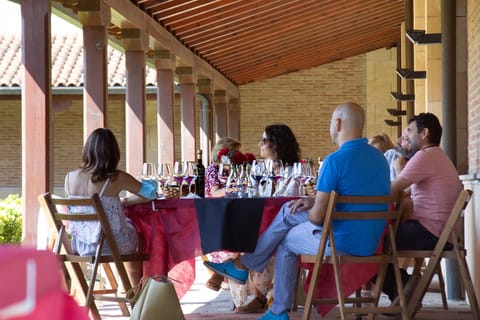
Visit a unique Rioja winery and discover Altanza, a place where wine tourism goes far beyond a tour with tastings.

Tempranillo, oak and the Ebro across three sub-zones
Spain's most celebrated red-wine region and one of only two DOCa appellations in the country, where Tempranillo ages into Crianza, Reserva and Gran Reserva across three sub-zones along the Ebro.
Visit a unique Rioja winery and discover Altanza, a place where wine tourism goes far beyond a tour with tastings.
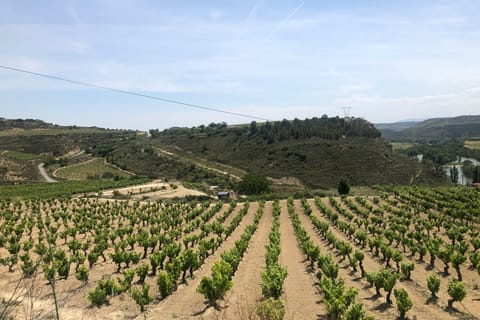
Discover Rioja on a full-day wine tour visiting 3 wineries in Rioja Alta and Alavesa. Taste local wines, explore wine country and enjoy a traditional pintxos lunch.
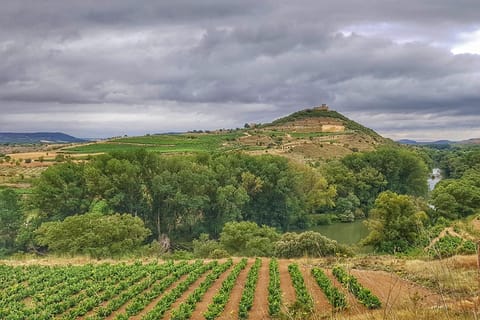
Taste selected wines at 3 different wineries in Rioja. Visit our own 1881 winery, La Bodega del Tesoro. Enjoy a traditional lunch in a wooden wine press.
Every vineyard, tasting room, wine bar and cellar we cover in Rioja, pinned. Click a pin for the page.
The iconic bottles that define Rioja.
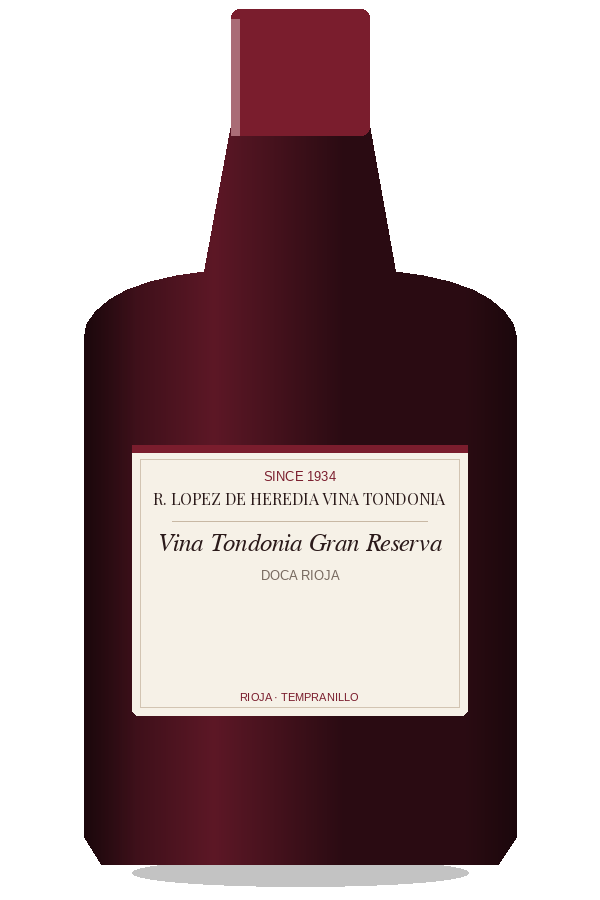
Producer: Lopez De Heredia
The benchmark traditional Rioja: library-aged Gran Reserva from the Tondonia estate, about nine years in American oak.
Price: EUR 90 to 200 at retail
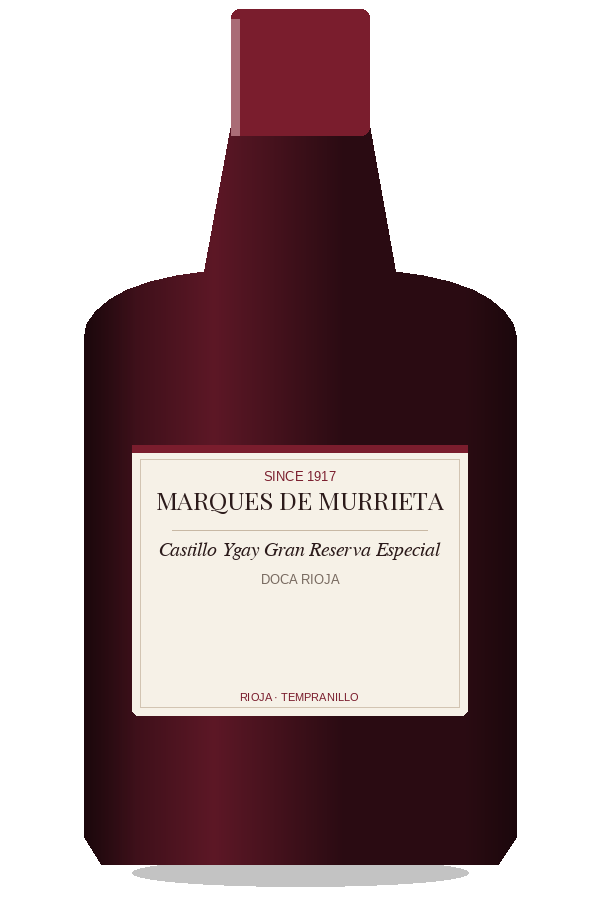
Producer: Marques De Murrieta
The estate flagship from the Ygay vineyard, released only in great years after a decade-plus of ageing.
Price: EUR 100 to 250 at retail
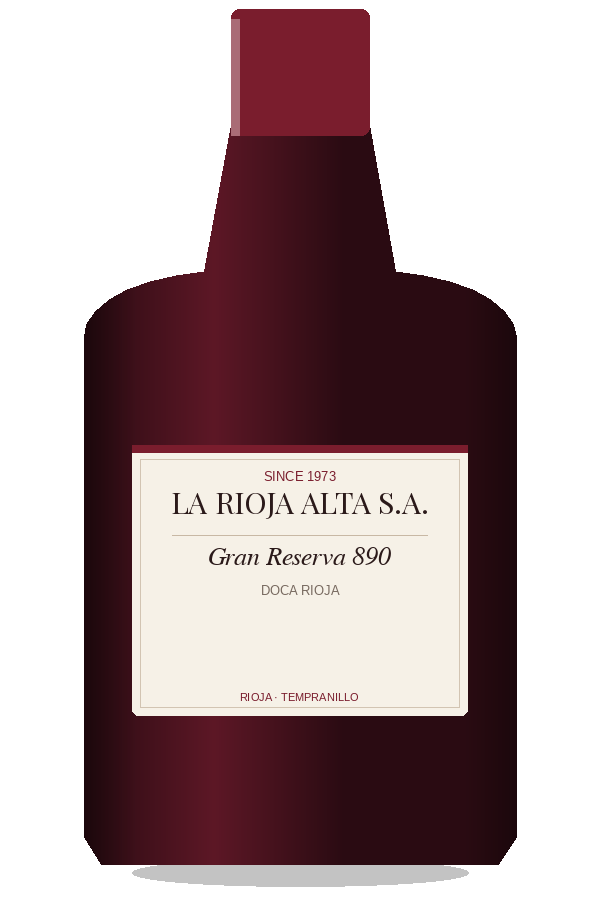
Producer: La Rioja Alta
The house pinnacle Gran Reserva, made only in great years and aged about six years in American oak.
Price: EUR 150 to 350 at retail
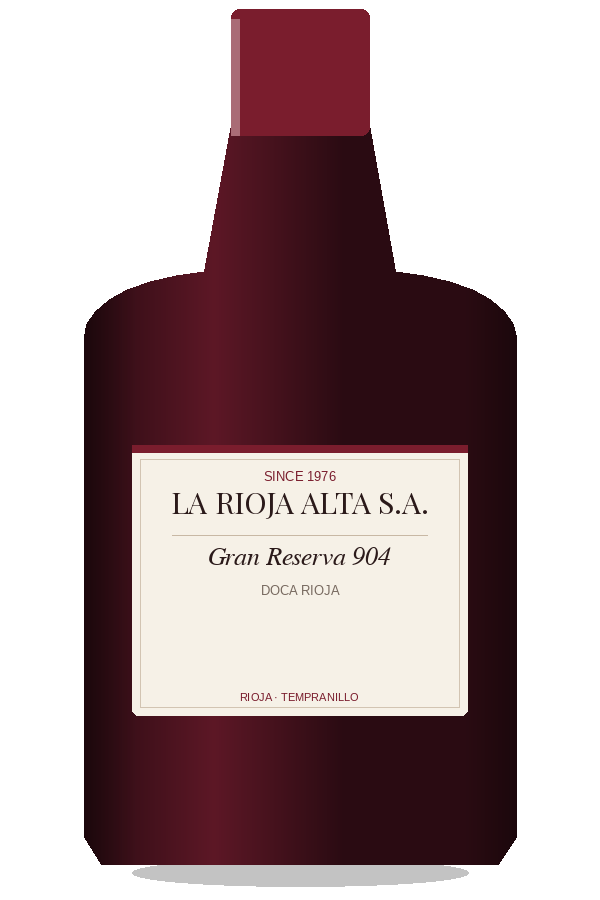
Producer: La Rioja Alta
A modern classic Gran Reserva, four years in American oak, one of Rioja's most consistent aged reds.
Price: EUR 45 to 75 at retail
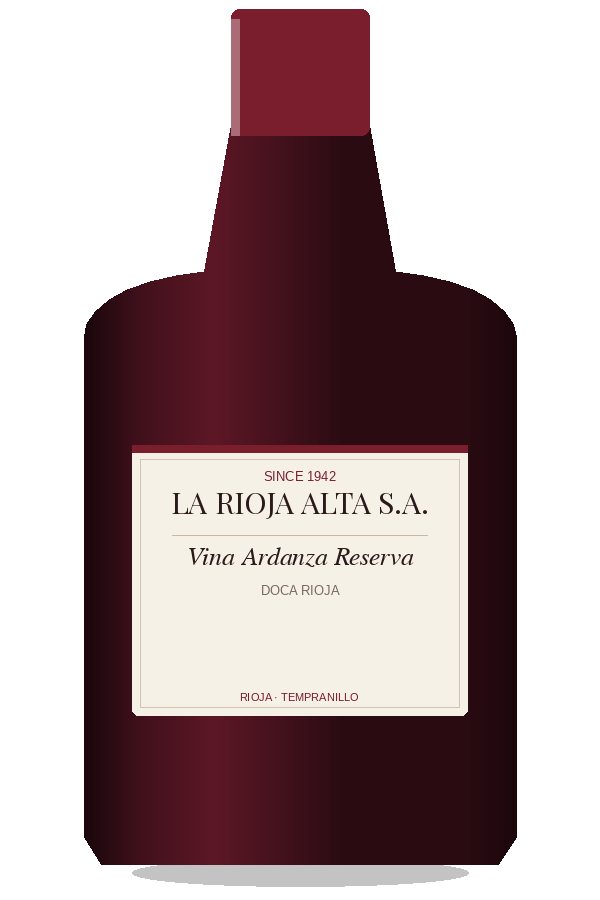
Producer: La Rioja Alta
The house's most famous Reserva, distinctive for its Garnacha component and long American-oak ageing.
Price: EUR 25 to 45 at retail
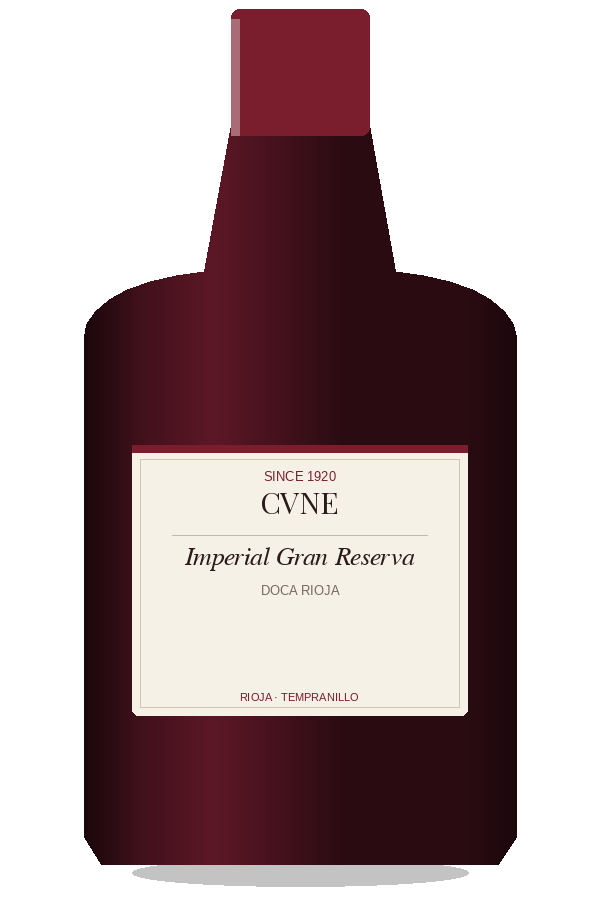
Producer: Cvne
CVNE's prestige red from Rioja Alta fruit, made only in top years.
Price: EUR 45 to 80 at retail
A handful of the estates we send friends to when they are in Rioja.
One of the oldest bodegas in Rioja, founded in 1858 at Elciego, famous for its titanium City of Wine hotel designed by Frank Gehry and its long-aged Reserva and Gran Reserva reds.
A founding house of modern Rioja established in 1852, based at the Ygay estate near Logrono and renowned for its long-aged Castillo Ygay Gran Reserva and the Capellania white.
A classic Haro house founded in 1890 in the Barrio de la Estacion, celebrated for traditional long oak ageing in its Vina Ardanza Reserva and Gran Reserva 904 and 890.
Compania Vinicola del Norte de Espana, founded in 1879 in Haro and still family-owned, makes the Cune, Imperial Gran Reserva and Monopole white ranges from the Barrio de la Estacion.
The most traditional house in Rioja, founded in 1877 in Haro and still run by the founding family, famous for decade-long barrel ageing of Vina Tondonia reds, whites and rosados.
A family house founded in 1932 in the Barrio de la Estacion at Haro, one of the last bodegas with its own cooperage, making Prado Enea Gran Reserva and the modern Torre Muga and Aro.
Vineyards on clay-limestone hills around Haro and Cenicero, home to the century-old Barrio de la Estacion bodegas and the most cellar-worthy Tempranillo reds.
Hillside villages and walled Laguardia under the Sierra de Cantabria, with architect-designed cellars and small-parcel Tempranillo on calcareous clay.
Sun-warmed plains and terraces toward the Mediterranean, where old-vine Garnacha gives riper, rounder reds than the western sub-zones.
A handsome wine town whose railway-station quarter packs six or more historic bodegas within walking distance of one another.
Also: Barrio de la Estacion
A walkable cluster of cathedral-like cellars by the old railway, the highest concentration of century-old bodegas anywhere in Rioja.
A walled hill town honeycombed with old cellars, surrounded by vineyards under the Sierra de Cantabria.
Peak wine-travel season in Rioja is spring through autumn, with harvest the standout window.
classified-growth and grand-cru estates require booking days to weeks ahead; smaller family domaines often take walk-ins midweek.
most estates open 10:00 to 17:00 by appointment, often closed Sunday and Monday.
tipping is not expected at tastings; buying a bottle from the cellar door is the customary thank-you.
If you only open one bottle, open Vina Tondonia Gran Reserva by lopez-de-heredia. It is the wine most associated with Rioja.