Valentini Trebbiano d'Abruzzo
Producer: Valentini
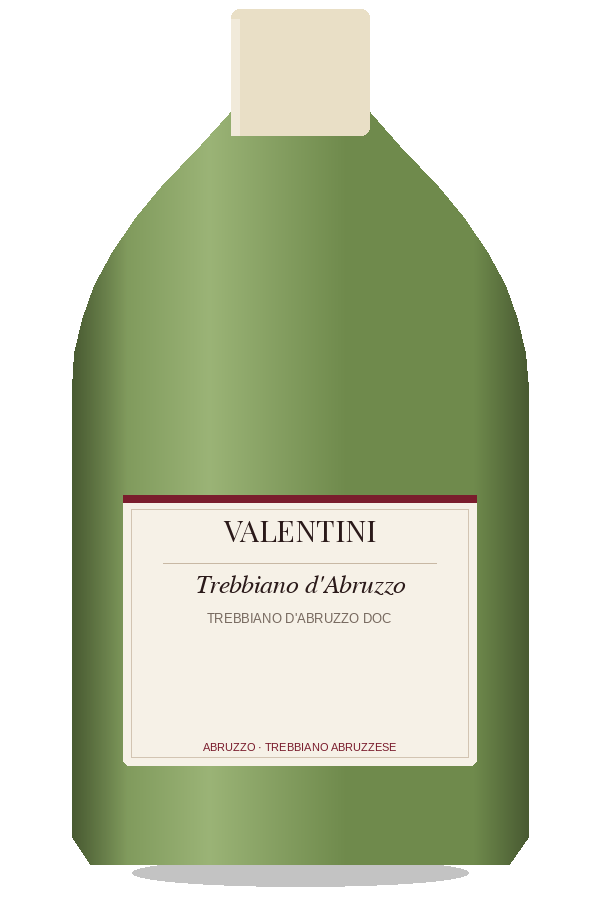
Trebbiano d'Abruzzo is a denomination rather than a grape, and the Valentini family works it at Loreto Aprutino into a white made for bottle age rather than early drinking.

Montepulciano, Cerasuolo and the hills below the Gran Sasso
Abruzzo is a Montepulciano region before it is anything else. The Consorzio Tutela Vini d'Abruzzo counts about 36,000 hectares of vineyard and roughly 3.8 million hectolitres a year, with around 17,000 hectares of Montepulciano and about 14,000 of Trebbiano d'Abruzzo, and it puts three quarters of the wine in the hands of 40 cooperative cellars, 32 of them in Chieti province alone. That co-operative scale sits alongside a small group of estates that work the opposite way: Valentini at Loreto Aprutino, which receives no visitors and sells nothing at the cellar, Emidio Pepe at Torano Nuovo, bottling since 1964 and holding wine back for decades before decanting it, Cataldi Madonna in the hot inland basin at Ofena. Cerasuolo d'Abruzzo is not a by-product here. It became a DOC in its own right in 2010, with its own ageing rules and its own subzones, and it is the reason a rosato from this region is taken seriously. The quality map has been redrawn twice in the last twenty years: Colline Teramane was promoted to DOCG in 2003, and Casauria followed in November 2025 under its own stricter production rule. Around all of it is a landscape of national parks and a high inland edge where the altitude and the swing between day and night temperatures do most of the work.
Every vineyard, tasting room, wine bar and cellar we cover in Abruzzo, pinned. Click a pin for the page.
The iconic bottles that define Abruzzo.
Producer: Valentini
Trebbiano d'Abruzzo is a denomination rather than a grape, and the Valentini family works it at Loreto Aprutino into a white made for bottle age rather than early drinking.
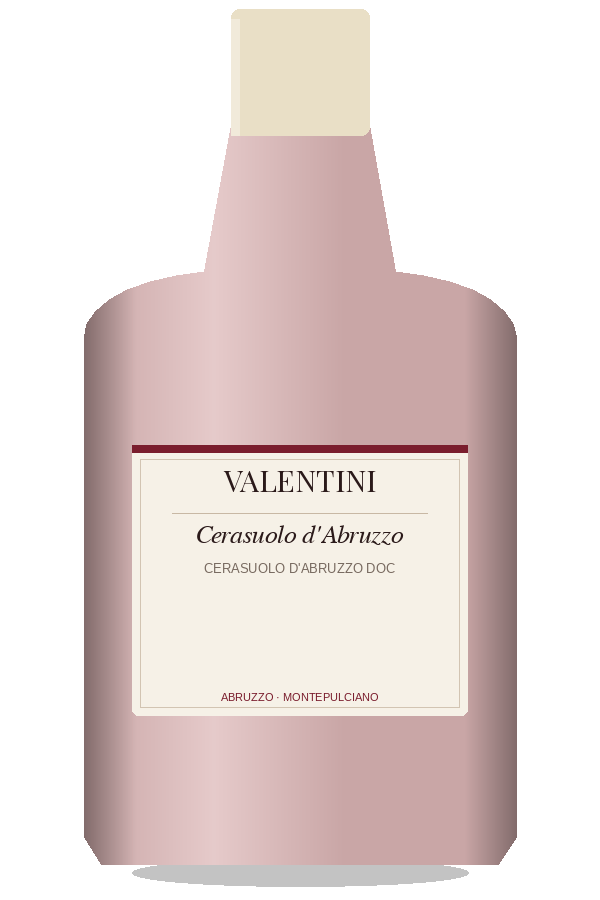
Producer: Valentini
Cerasuolo d'Abruzzo became a DOC in its own right in 2010. Valentini ferments Montepulciano spontaneously in 35 hectolitre oak casks and keeps the rosato a year in wood.
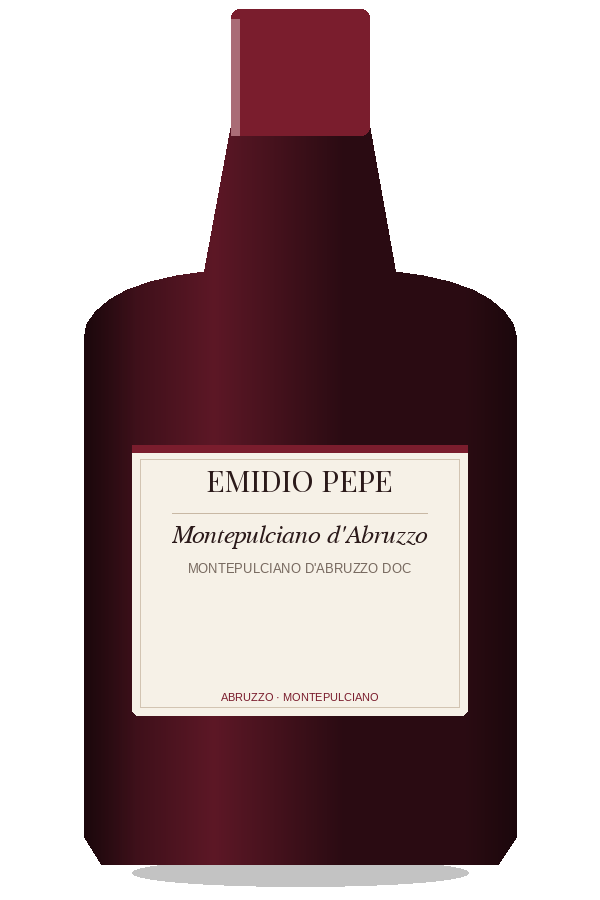
Producer: Emidio Pepe
Montepulciano trodden by foot at Torano Nuovo, fermented and raised in glass lined concrete, bottled unfiltered and decanted off its sediment by hand before it is shipped.
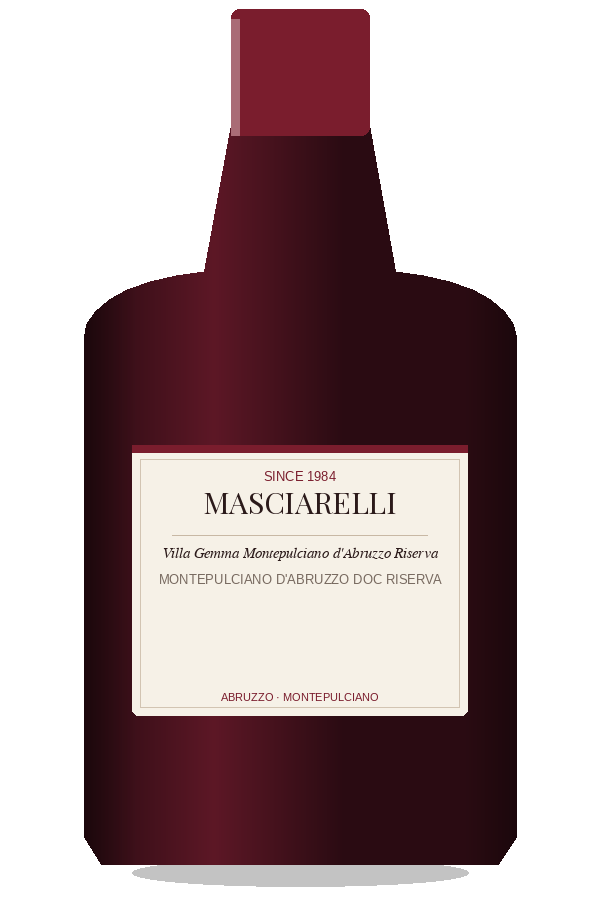
Producer: Masciarelli
Hand picked Montepulciano from a single high density vineyard at San Martino sulla Marrucina, raised in French oak barriques and made under this label since 1984.
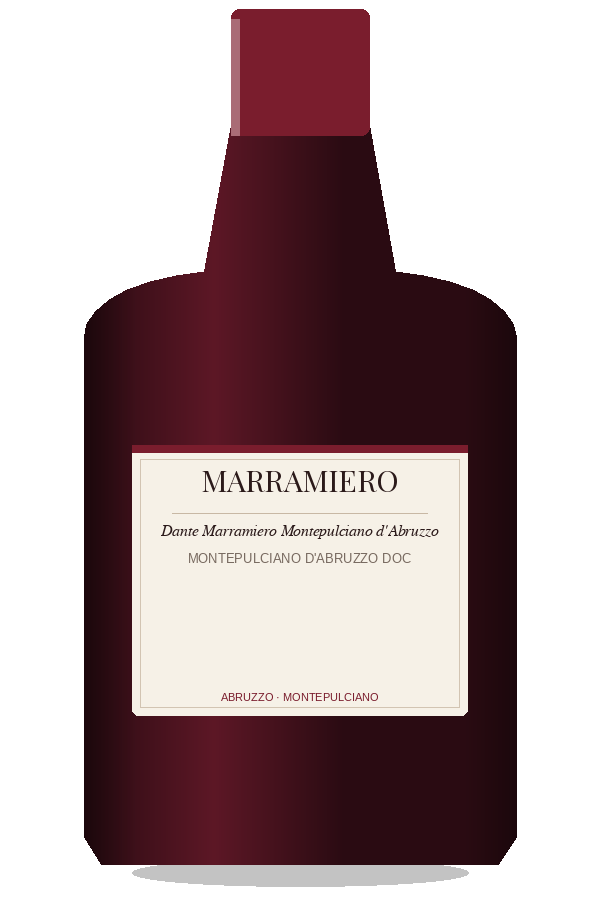
Producer: Marramiero
Marramiero draws this Montepulciano from mature stocks at Tenuta Sant'Andrea on the Colline Pescaresi, selects bunches from veraison, and holds the wine ten years before release.
Price: EUR 130 for 75 cl, EUR 260 for magnum at the estate
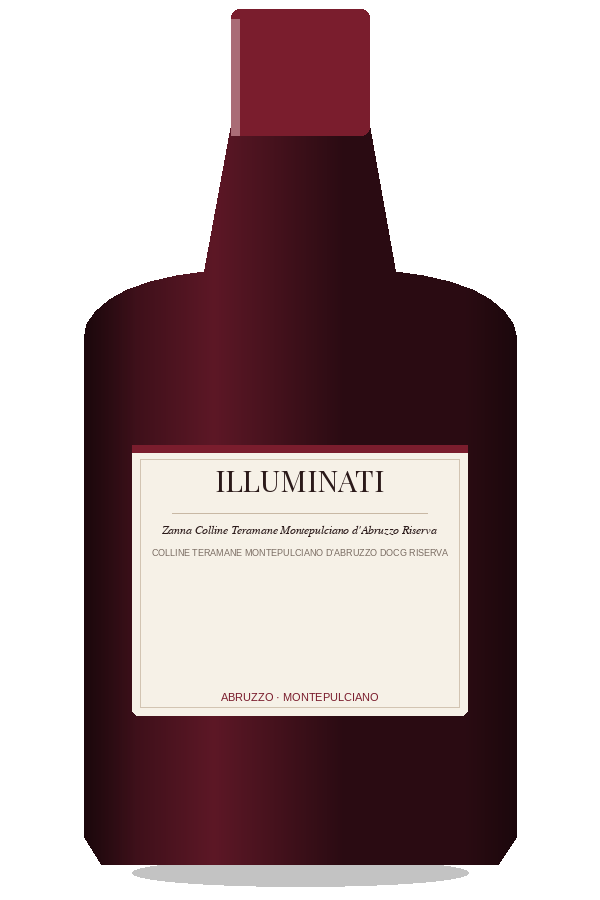
Producer: Illuminati
Colline Teramane DOCG Riserva from the Zanna vineyard at Controguerra, the first plot Illuminati farmed, at 280 metres on marl with clay, aged two years in Slavonian oak.
A handful of the estates we send friends to when they are in Abruzzo.
The Loreto Aprutino estate run by Francesco Paolo Valentini, bottling Trebbiano, Montepulciano and Cerasuolo. DoctorWine states there are neither cellar visits nor sales at the door.
Torano Nuovo house bottling since 1964, working unfiltered and holding wine in the cellar for up to twenty years before decanting. Montepulciano, Trebbiano and Pecorino, plus rooms on site.
Founded at San Martino sulla Marrucina in 1981 and now farming 320 hectares across all four Abruzzo provinces, with about 2.5 million bottles a year according to DoctorWine.
Hillside estate at Cugnoli in the Pescara hinterland, trading as Agricola Tiberio and working Montepulciano, Trebbiano Abruzzese and Pecorino from its own vineyards.
Loreto Aprutino estate started in 2000, farming 26 hectares and making around 190,000 bottles a year per DoctorWine. Cellar and vineyard sit at Poggioragone.
Ofena estate in the hot inland basin under the Gran Sasso, dating to 1920 and farming 30 hectares. Now led by Giulia Cataldi Madonna after the death of Luigi Cataldi Madonna.
The hills of Teramo province between the Gran Sasso and the Adriatic. Abruzzo's first DOCG was carved out of the Montepulciano d'Abruzzo DOC here in 2003.
The northern tip of Abruzzo against the Marche border, with its own 1996 DOC that allows Cabernet, Merlot and a traditional method sparkling alongside Montepulciano.
One hill town in Pescara province with an unusual density of serious estates, from a reclusive house that sells no wine at the gate to growers with a daily cellar door.
A named subzone of the Montepulciano d'Abruzzo DOC in the Pescara hinterland, where the rules ask for at least 90 percent Montepulciano rather than the standard 85.
The Pescara river corridor below the Majella. Its Montepulciano became a separate DOCG in November 2025, with rules that require Montepulciano.
A high inland basin in L'Aquila province under the Gran Sasso, hot by day and cold at night. Its subzone rule asks for 95 percent Montepulciano.
Peak wine-travel season in Abruzzo is spring through autumn, with harvest the standout window.
classified-growth and grand-cru estates require booking days to weeks ahead; smaller family domaines often take walk-ins midweek.
most estates open 10:00 to 17:00 by appointment, often closed Sunday and Monday.
tipping is not expected at tastings; buying a bottle from the cellar door is the customary thank-you.
If you only open one bottle, open Valentini Trebbiano d'Abruzzo by Valentini. It is the wine most associated with Abruzzo.