


Corriqueijo
Cheese shop beside the Arco da Porta Nova in Braga, with Portuguese and imported cheeses, boards and a local producer's wine. Prados de Melgaço, a goat dairy near Melgaço, lists it as a stockist.

Cheese · DOP · Alentejo, Vinho Verde
A semi-hard sheep's milk cheese from Eight municipalities of Portalegre district: Nisa, Crato, Castelo de Vide, Marvão, Portalegre, Monforte, Arronches and Alter do Chão.
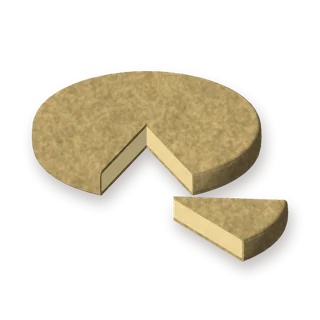
Raw ewe's milk of the Merina Branca breed, coagulated with cardoon infusion at 25 to 28 degrees C, cut, packed into cinchos, worked by hand and salted, then ripened in two phases. The original size is 13 to 16 cm across and 800 to 1300 g; the production rules give no height. A smaller merendeira is 10 to 12 cm and 200 to 400 g. The crust is firm and whitish-yellow, soft after making and hardening with age; the paste is semi-hard, white-yellow and closed, with a few small eyes. Portuguese Wikipedia places most of the dairies in Tolosa. Decreto Regulamentar 6/93 of 16 March 1993 created the demarcated region of Queijo de Nisa, and the EU registered the DOP in 1996 (Regulation 1107/96).
Made in: Eight municipalities of Portalegre district: Nisa, Crato, Castelo de Vide, Marvão, Portalegre, Monforte, Arronches and Alter do Chão
A slightly acid flavour and an intense aroma (DGADR). The crust is smooth or slightly rough and the paste closed with a few small eyes, uniformly white to yellowish (production rules).
Rind: natural crust
Wine and cheese
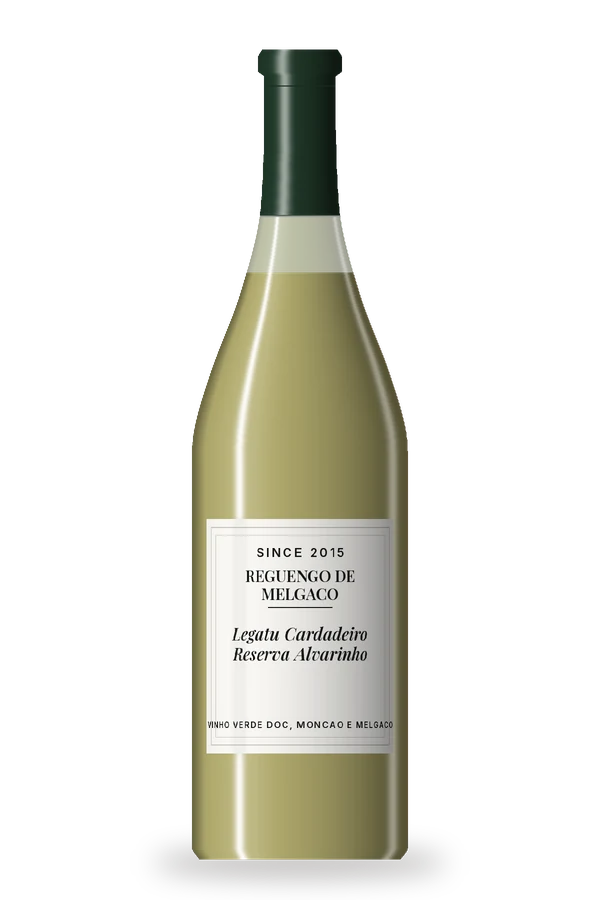
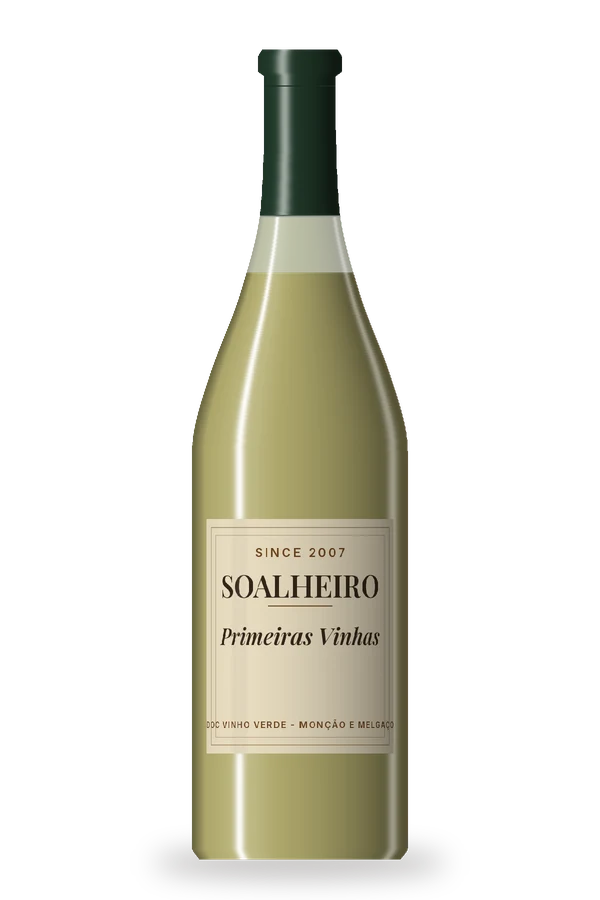
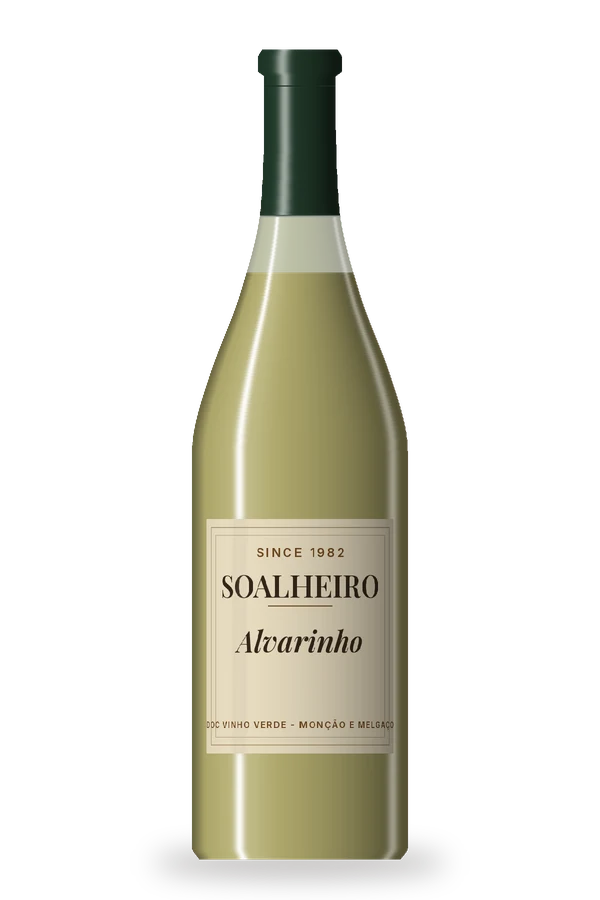
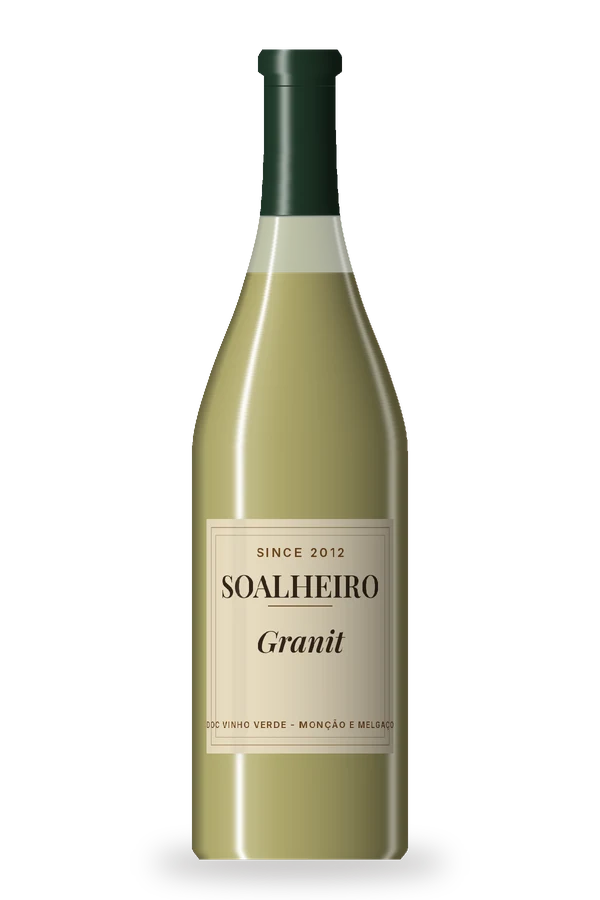
Nisa is a firm ewe's cheese, slightly acid and intensely aromatic, made in the same Portalegre district as these whites. Their high acidity meets the cheese's own and keeps the finish clean against the fat of the raw milk.
Nisa is semi-firm, slightly acidic and intensely aromatic. A Vinho Verde white fermented or aged wholly or partly in oak gains body and texture for it, and keeps the high acidity that meets the cheese's own.
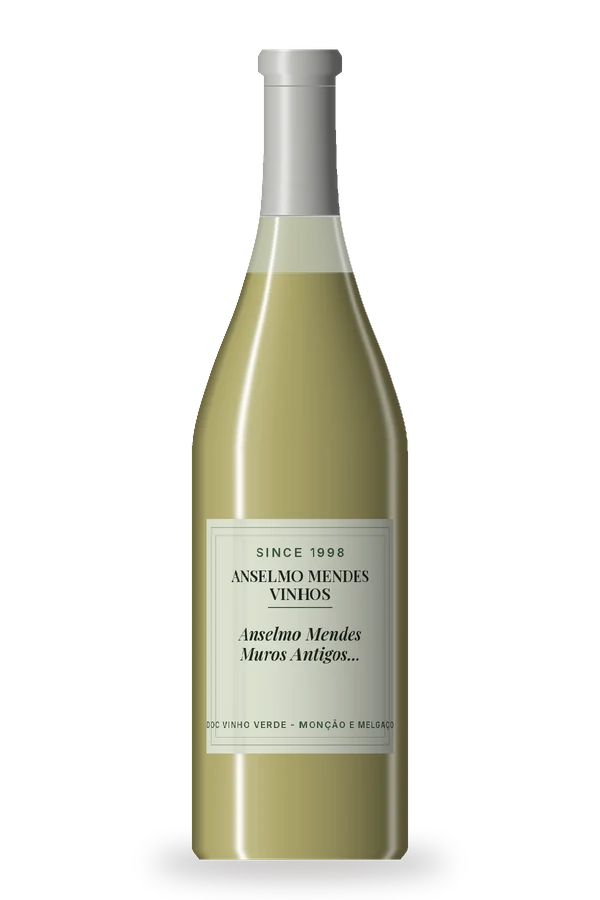
Tara Q. Thomas, in Culture magazine's Vinho Verde pairing guide (2016), matched Queijo de Nisa PDO with Anselmo Mendes 2012 Muros Antigos Alvarinho, among Vinho Verdes whose high acidity and saline flavours, she writes, suit salty cheeses.
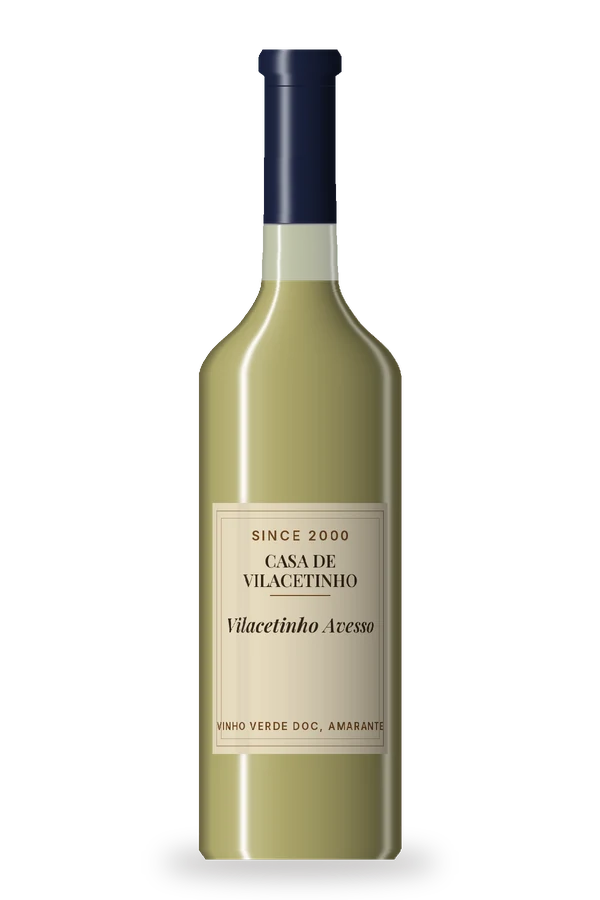
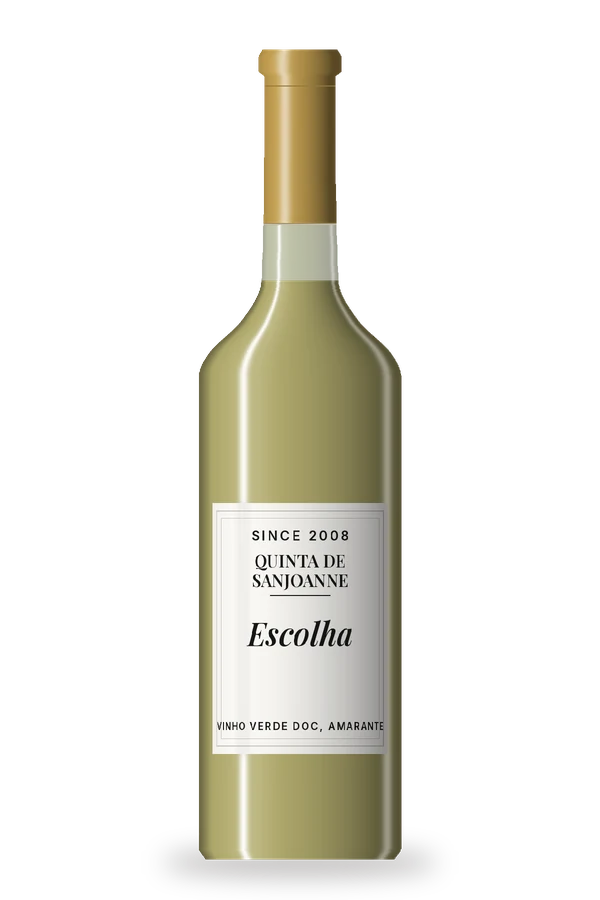
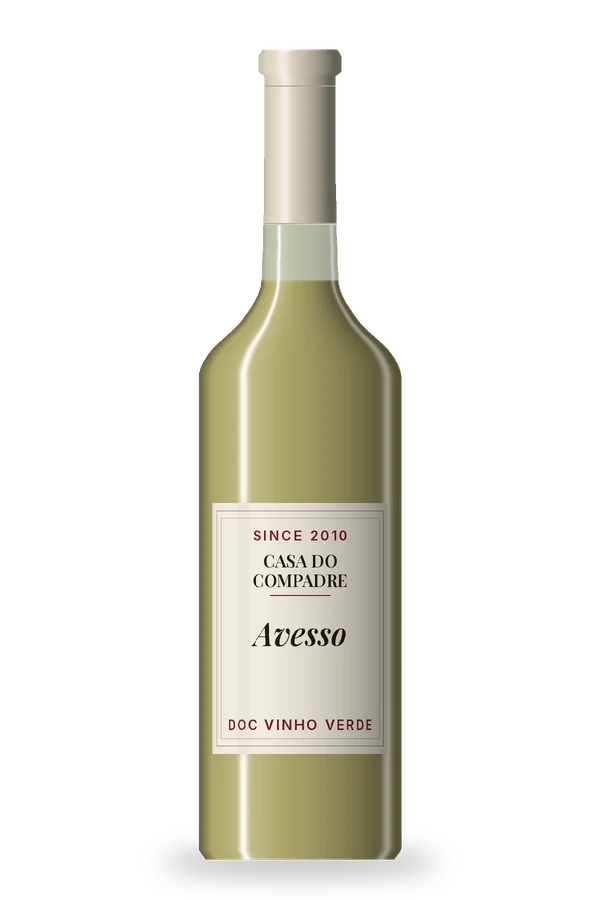
Nisa is semi-firm, slightly acidic and intensely aromatic. An unoaked Vinho Verde white led by Avesso, raised in steel and high in acidity, meets the cheese's slight acidity and lets its strong aroma lead.
Nisa is firm and slightly acid with an intense aroma, and it is made in the same Portalegre district as these reds. Their structure, from medium to full, matches the firm paste, and the cheese's fat softens the tannin.
The grapes behind these winesAlvarinhoAvessoTrincadeiraAragonezLoureiroArinto
From the source
Cheese shop beside the Arco da Porta Nova in Braga, with Portuguese and imported cheeses, boards and a local producer's wine. Prados de Melgaço, a goat dairy near Melgaço, lists it as a stockist.
Small cheese shop in central Guimarães selling cheeses, cheese boards and gift hampers. Prados de Melgaço, a goat dairy near Melgaço, lists it as a stockist.
Cheese shop, cafe and pastry counter on Avenida Central in Braga, founded in 1952 by a man from the Beira to bring his region's cheese north. It also sells Montalegre cured meats and regional cakes.
Évora's municipal market, in the building in the middle of Praça 1º de Maio, sells cheeses among other fresh food, according to Wikivoyage. Which stalls sell cheese, and which cheeses, is not documented.
Serpa's annual cheese fair, with Queijo Serpa DOP as its anchor product. Cheesemakers from the area, Portugal and abroad attend, alongside food stalls, crafts, a sheep show, live shearing and cheese-making demonstrations, a cheese contest and a cheese week in the municipality's restaurants.
Estremoz's traditional Saturday-morning market on the Rossio, where farmers sell direct; the municipality lists cheeses among the goods. Wikivoyage describes about five adjacent stalls selling ewe and goat milk cheeses.
Village cheese fair in Tolosa, in Nisa municipality, run by the parish council with municipal support. The 25th edition, held in May 2026 (reported on 18 May), was a one-day event with a contest for wines made in the parish, a community lunch with music and roast pork on the spit.
A visit to the Almocreva dairy in Penedo Gordo, where cured sheep's milk cheese in the Serpa style is made. The website invites visitors to book through its contact page; length and price are not stated.
Fair held every other Monday on the left bank of the Lima, with more than 300 stalls selling ceramics, cheeses, cured meats, bread and clothes. The council publishes each year's dates.
Weekly open-air fair on the Campo da República in Barcelos, known for its pottery. Its stalls also sell cheeses, cured meats and honey from small Minho producers. It starts early and runs to early afternoon.
In eight municipalities of Portalegre district: Nisa, Crato, Castelo de Vide, Marvão, Portalegre, Monforte, Arronches and Alter do Chão. Portuguese Wikipedia adds that the dairies are mainly in the village of Tolosa.
The DGADR gives an original size of 13 to 16 cm across and 800 to 1300 g, and a merendeira of 10 to 12 cm and 200 to 400 g.
In two phases, 15 to 18 days at 8 to 10 degrees C and then 30 to 40 days at 10 to 14 degrees C, with a minimum cure of 45 days in the production rules.
Same cheeseboard
Plan the trip
Tastings and tours where it is made, and somewhere to stay.
Wine Tour in Braga with Vinho Verde Tasting and snacks
All 295 experiences in Vinho VerdeBooking links go to our partners (GetYourGuide, Viator, Zen Hotels), who may pay us a commission. It never decides what we cover. Editorial standards.
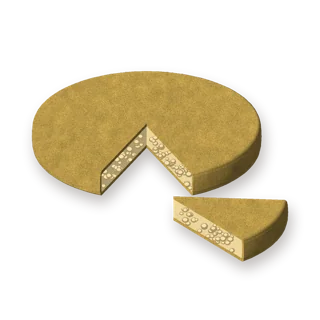
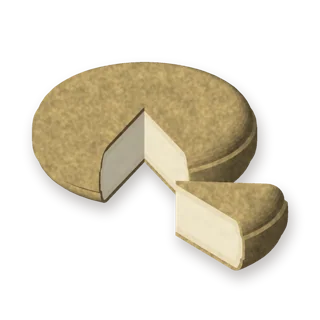
Sources: protection register, tradicional.dgadr.gov.pt, www.cm-nisa.pt. The drawing is made from the cheese's recorded shape, rind and paste, not a photograph.
Alentejo wine guide → Vinho Verde wine guide → Every cheese →