Cycling Ecopista do Dão One Way, full-day from Coimbra
After hotel pickup in Coimbra, we take direction to activity start in Viseu. Day dedicated to bicycle touring on an old railway branch that has 130 years of transpor...

Granite, pine and altitude: Touriga Nacional's likely home
Central Portugal's granite plateau, ringed by the Caramulo, Buçaco, Nave and Estrela mountains: seven DOC sub-regions around Viseu where Touriga Nacional and Encruzado ripen slowly at 400 to 800 metres.
After hotel pickup in Coimbra, we take direction to activity start in Viseu. Day dedicated to bicycle touring on an old railway branch that has 130 years of transpor...
Every vineyard, tasting room, wine bar and cellar we cover in Dão, pinned. Click a pin for the page.
The iconic bottles that define Dão.
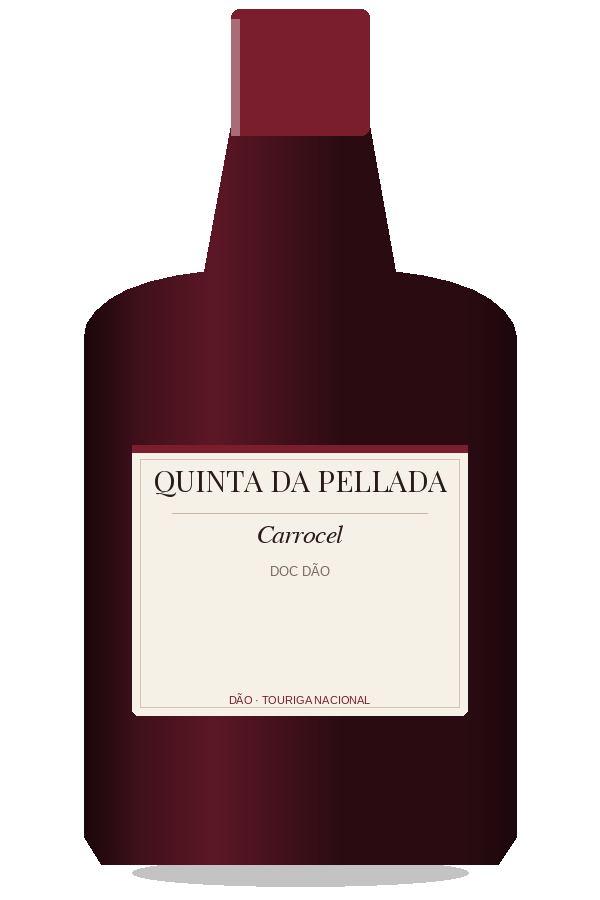
Producer: Quinta Da Pellada
Álvaro Castro's single-parcel Touriga Nacional from vines planted in 1950 at 500 metres, two years in used 400 litre French oak.
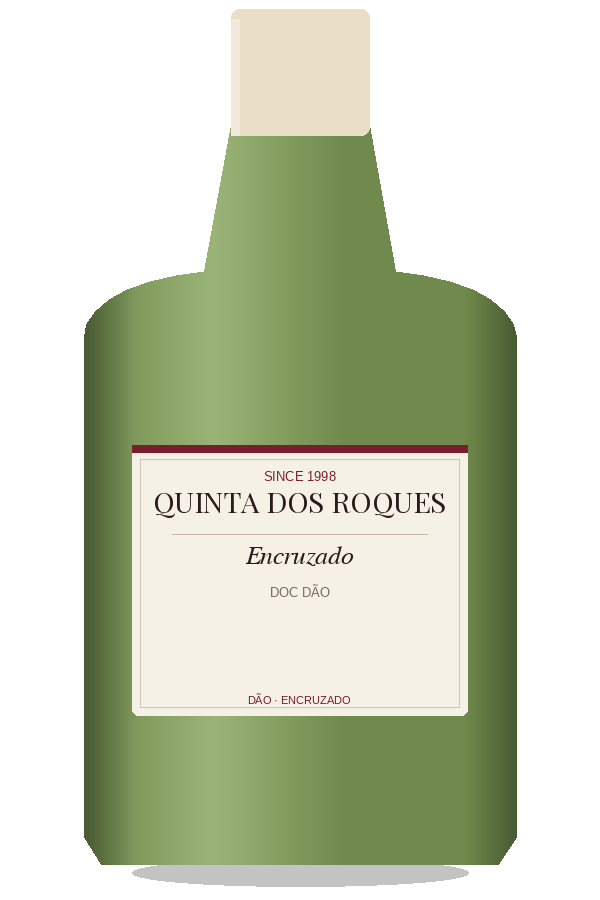
Producer: Quinta Dos Roques
Barrel and tank Encruzado from Quinta dos Roques, first made in 1998 and still one of the reference bottlings for the variety.
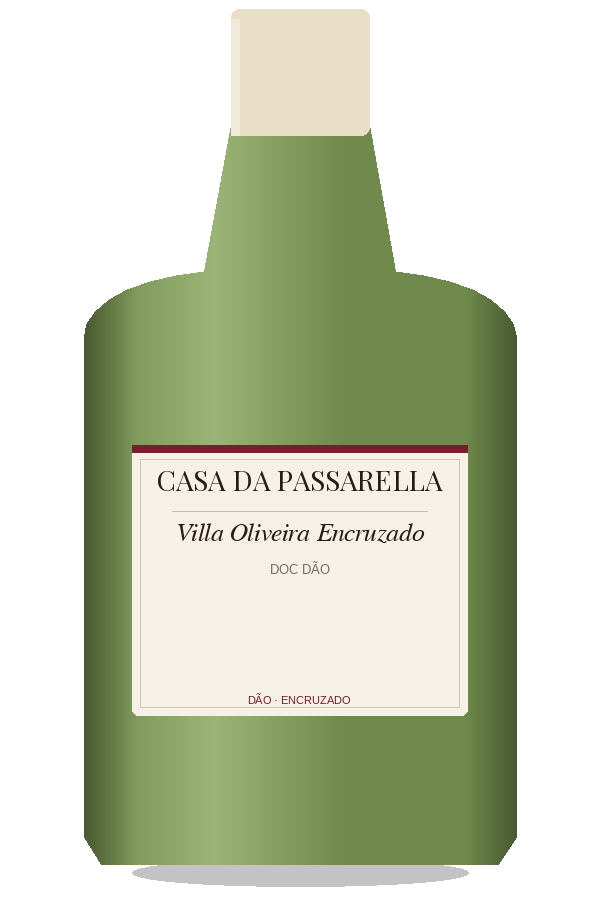
Producer: Casa Da Passarella
The Villa Oliveira Encruzado of Casa da Passarella, from its Serra da Estrela slopes.
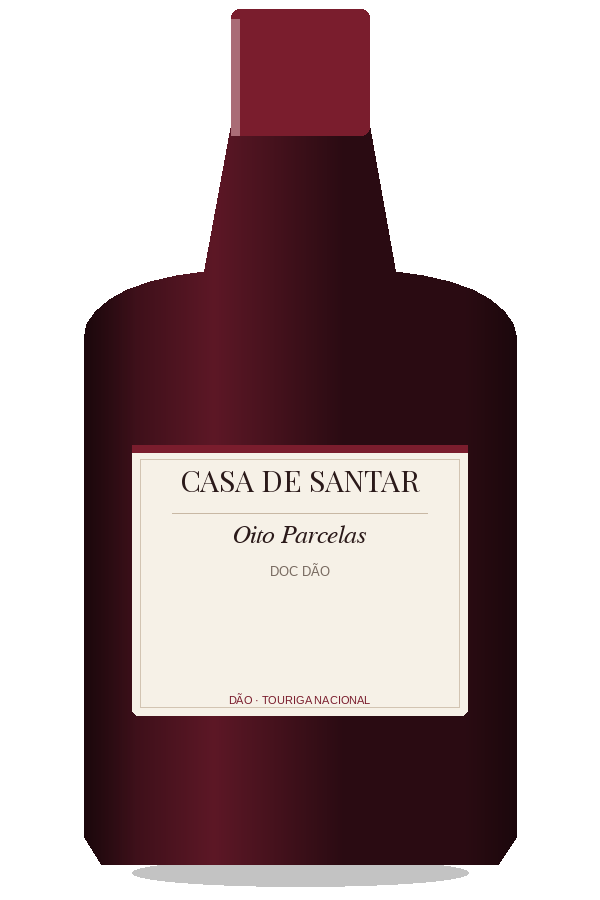
Producer: Casa De Santar
Casa de Santar's flagship, six varieties from eight parcels, 24 months in mostly new French oak and five years in bottle before release.
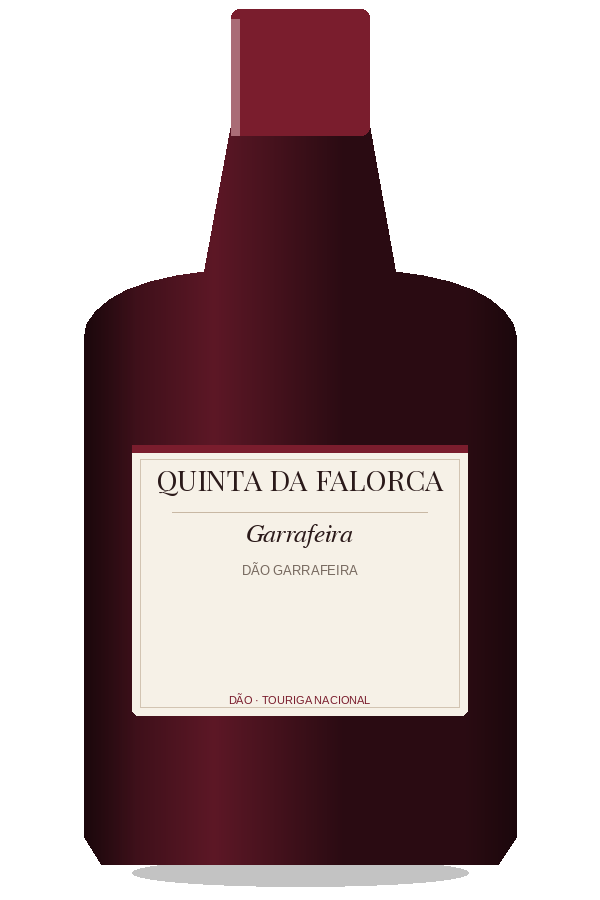
Producer: Quinta Da Falorca
Falorca's Garrafeira, 75 percent Touriga Nacional with old-vine Rufete, two years in tank and two more in French oak, 3803 bottles.
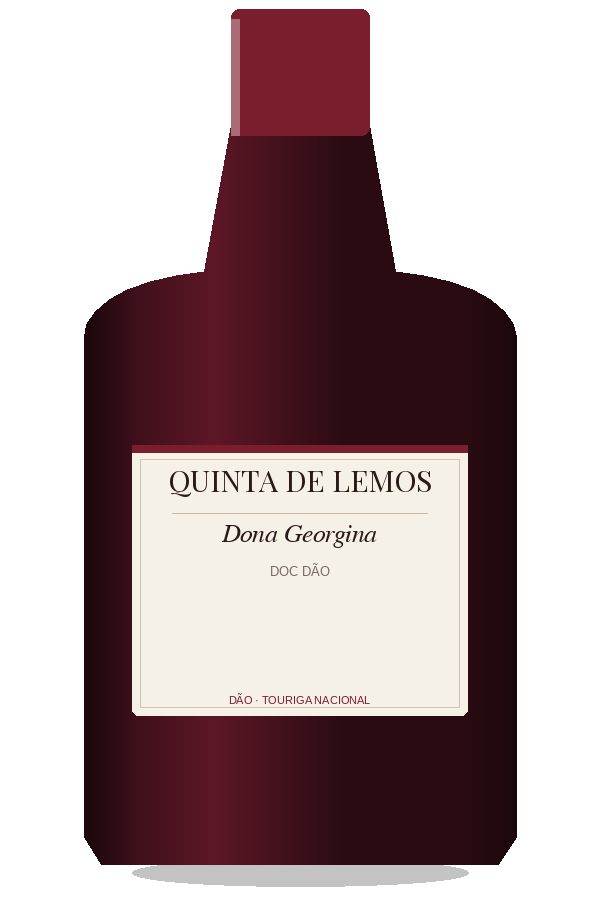
Producer: Quinta De Lemos
The flagship red of Quinta de Lemos in Silgueiros, Touriga Nacional with Tinta Roriz, French oak aged and floral.
A handful of the estates we send friends to when they are in Dão.
Family estate at Abrunhosa do Mato with 35 hectares of vines, three quarters red. Began bottling varietal reds in 1996 and a barrel-fermented Encruzado in 1998.
Signature: Quinta dos Roques Encruzado, Quinta dos Roques Touriga Nacional, Quinta dos Roques Garrafeira
Nelas family estate whose vines sit at an average 450 metres on granite and quartzite soils, vinified without new wood in a deliberately classical Dão style.
Adega at Quinta da Teixuga in Carvalhal Redondo, restarted by Paulo Santos in 2012 and now part of Grupo Terras e Terroir alongside Quinta da Pacheca in the Douro.
Vinhos Imperfeitos, the Nelas project Carlos Raposo founded in 2018 after training in Bordeaux and Burgundy and seven years making wine with Dirk Niepoort in the Douro.
Signature: Vinhos Imperfeitos
Small Vilar Seco estate with 6.5 hectares of vines on a south-facing granite slope, restructured in 1999 with Dão varieties and still using its old granite lagares.
Family estate at Canas de Senhorim: 11 hectares in all, six of them vines of the main Dão varieties, vinified in the quinta's own adega alongside a 300-seat event room.
The middle of the Dão, where the granite plateau flattens and most of the famous quintas cluster.
Also: Nelas, Carregal do Sal
Jaen country, granite parishes strung along the Dão river east of Viseu.
A single parish with its own sub-region, granite terraces dropping to the Dão river.
The Caramulo side of the Dão, granite thinning into schist as you head west.
Also: Tondela
Under the Serra da Nave, baroque manor houses and vineyards that have been bottling since the 1850s.
Also: Penalva do Castelo
Mountain-edge Dão at 500 to 600 metres, vines between pine woods and cheese country.
Peak wine-travel season in Dão is spring through autumn, with harvest the standout window.
classified-growth and grand-cru estates require booking days to weeks ahead; smaller family domaines often take walk-ins midweek.
most estates open 10:00 to 17:00 by appointment, often closed Sunday and Monday.
tipping is not expected at tastings; buying a bottle from the cellar door is the customary thank-you.
If you only open one bottle, open Quinta da Pellada Carrocel by quinta-da-pellada. It is the wine most associated with Dão.