Caseificio Il Fiorino
Maremma sheep dairy founded in 1957 by Duilio Fiorini, with an ageing grotto cut into the rock of Roccalbegna in 1962. Visits cover production, the grotto and a guided tasting.

Cheese · DOP · Tuscany, Umbria
Also labelled Pecorino Toscano DOP
A semi-hard sheep's milk cheese from Tuscany, plus bordering communes in the provinces of Viterbo (Lazio) and Perugia and Terni (Umbria).
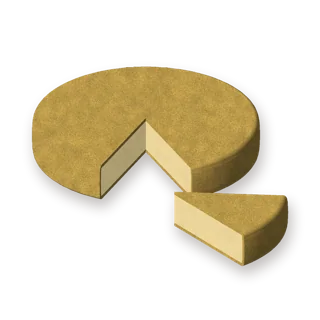
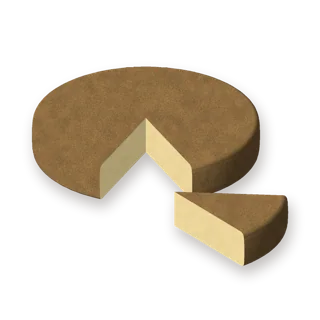
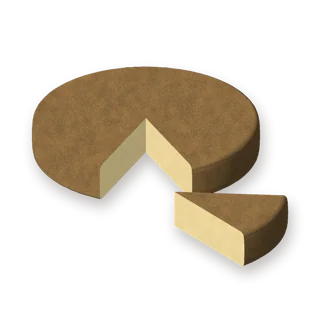
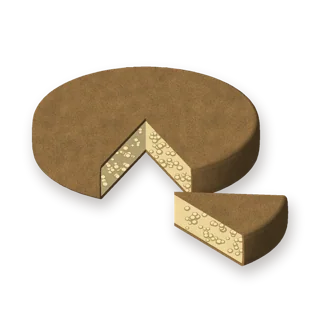
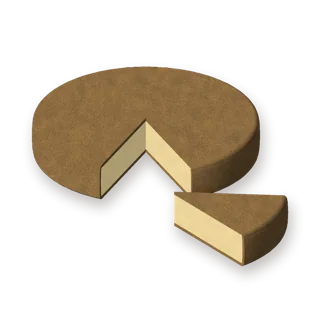
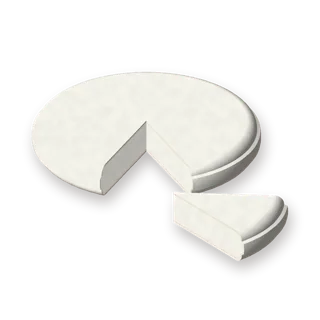
A sheep's milk cheese with DOP status since 1996, a cylinder with flat faces and slightly convex sides. Wheels measure 15 to 22 cm across with sides 7 to 11 cm high, and weigh 750 g to 3.5 kg. The milk may be used raw or heat-treated up to pasteurisation, curdled with calf or vegetable rennet, and salted for less time than other pecorini: on average about 16 hours for a fresco and 24 hours for a stagionato. It is sold young (fresco, from 20 days) or aged (stagionato, from 4 months), and was once called cacio marzolino because production began in March.
Made in: Tuscany, plus bordering communes in the provinces of Viterbo (Lazio) and Perugia and Terni (Umbria)
Sweet, never salty or spicy, fragrant and pronounced. The fresh cheese is tender with a white to slightly straw paste; the aged one is compact and firm to the cut, slightly straw to straw-coloured.
Rind: natural crust
Wine and cheese
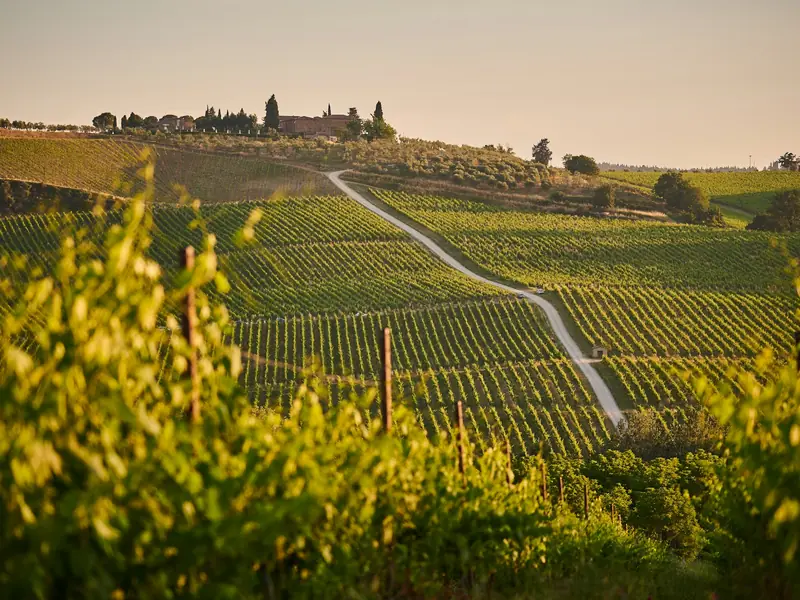
Aged Pecorino Toscano is firm and fragrant, with a sweet rather than salty taste. Chianti's high acidity and cherry fruit cut through the paste, and the cheese's mildness leaves the wine's grip intact.
A younger stagionato is sweet and fragrant rather than salty. Rosso di Montalcino brings Sangiovese cherry with moderate tannin, light enough that the cheese's gentle sweetness is not lost.
An aged Pecorino Toscano is firm and fragrant, sweet rather than salty, so it does not sharpen the tannin of these structured Sangiovese-led reds. Their high acidity cuts through the paste.
An aged Pecorino Toscano is firm, fragrant and pronounced in flavour, beside Vin Santo's dried fruit and caramel. The wine is much sweeter than the cheese, which the DOP product sheet calls sweet, never salty.
A fresco is tender and delicately sweet, so a tannic red would dominate it. Vernaccia's high acidity and almond-bitter finish clear the palate between slices.
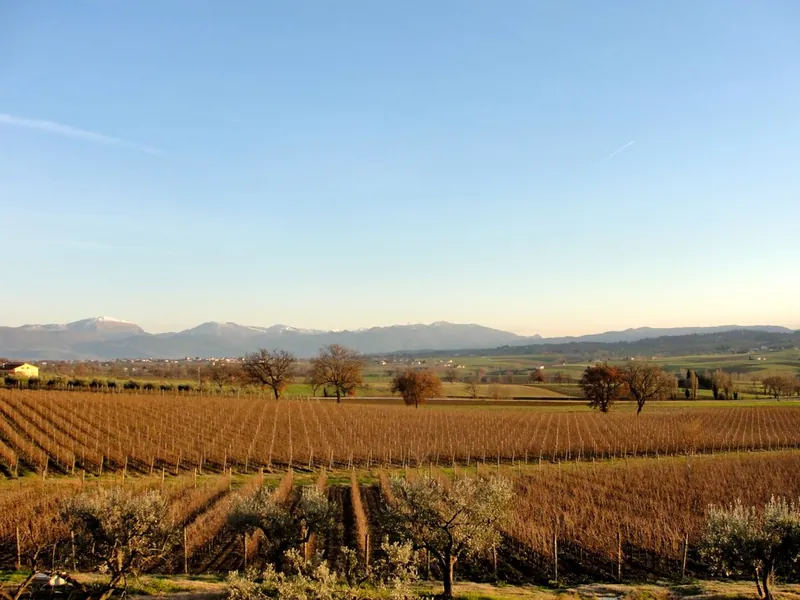
Qualigeo calls Pecorino Toscano sweet and never salty or piquant. A Colli del Trasimeno Sangiovese, medium bodied with soft, velvety tannin, sits easily beside it. Castiglione del Lago on Trasimeno is one of the two Umbrian communes in the DOP area.
Qualigeo calls Pecorino Toscano sweet and never salty or piquant. Medium-bodied, Sangiovese-based Umbria IGT reds with low to medium tannin and medium acidity sit easily beside it and do not sharpen the cheese.
The grapes behind these winesSangioveseSangiovese GrossoVernacciaSangiovese (Prugnolo Gentile)Trebbiano ToscanoMalvasia Bianca Lunga
From the source
Maremma sheep dairy founded in 1957 by Duilio Fiorini, with an ageing grotto cut into the rock of Roccalbegna in 1962. Visits cover production, the grotto and a guided tasting.
Family dairy that began cheesemaking in 1955, when the shepherds Alessandro and Remo Busti came down from the upper Garfagnana. It runs guided tours with tastings, a factory shop and a restaurant at Acciaiolo.
Maremma farmers' cooperative making Pecorino Toscano DOP and other cheeses. It opens the plant on reserved mornings, ending with a tasting, and sells directly from the dairy.
The Grosseto shop of Caseificio Il Fiorino, opened in October 2024 on about 130 square metres, with its whole cheese range, fresh ricotta, cured meats, wine and craft beer.
The company's oldest shop, on Corso Sertorio. Besides salumi and truffles it sells several Umbrian cheeses, from caciotta dolce and goat cheese to table pecorino and pecorino di fossa.
Zazzeri family shop on Corso il Rossellino selling fresh and aged Pecorino di Pienza, Cinta Senese salumi, wine and olive oil, with an online shop for orders.
Shop and degusteria in Castelluccio di Norcia with a room overlooking the Piano Grande. Sells local salumi, legumes, cheese and truffle products; serves cheese and salumi boards, panini, lentil soup and ricotta desserts.
Pienza's cheese fair, started in 1974 on the initiative of the Pro Loco's first president: pecorino stalls and local food, demonstrations and children's activities, and the Cacio al Fuso game, in which the town's six contrade roll pecorino wheels toward a spindle in Piazza Pio II.
Guided visit of the Fiorino dairy and its natural ageing grotto, then a tasting of four pecorini with fresh ricotta, honey and preserves, bread and a glass of sparkling wine. The 4-hour Sulle Vie della Transumanza route (60 EUR) adds a tour of medieval Roccalbegna and six pecorini. By reservation only.
Guided visit of a sheep and pig farm at Turrita, with a tasting of its products, by reservation. A Slow Food Trevi visit on 11 and 18 April 2026 (held) added a cheese-making demonstration.
Annual programme of the Pecorino Toscano DOP consortium: free guided visits to a few member dairies, among them Busti, Il Fiorino and Caseificio Sociale Manciano, showing how the cheese is made. Each dairy sets its own visit dates and takes bookings by its own contact.
Guided routes through the Busti dairy, each ending with a tasting. Four formats: Nonna Emma (4 cheeses), La Pec (3 cheeses with La Pec ricotta), Pecorino Toscano DOP (4 cheeses and Tuscan charcuterie) and Grotte (5 cheeses and a hot first course, plus the ageing cave visit). Minimum 2 participants.
Norcia's national fair of the black truffle and typical products, running since the 1950s. Norcia.net lists cheese tastings in the programme and live cheese-making demonstrations among the side events.
Fresco must age at least 20 days and stagionato at least 4 months, according to the Qualigeo product sheet.
Mostly, but the DOP area also covers bordering communes in the Viterbo province of Lazio and the Perugia and Terni provinces of Umbria.
Qualigeo describes the taste as sweet, never salty or spicy, and credits a salting much shorter than other pecorini: on average about 16 hours for a fresco and about 24 hours for a stagionato.
Italy recognised Pecorino Toscano as a denominazione di origine by presidential decree on 17 May 1986, and the EU registered it as a DOP in 1996.
Same cheeseboard
Plan the trip
Tastings and tours where it is made, and somewhere to stay.
Small Group Tuscany Wine Tasting Safaris with Lunch / Dinner
All 2298 experiences in TuscanyBooking links go to our partners (GetYourGuide, Viator, Zen Hotels), who may pay us a commission. It never decides what we cover. Editorial standards.
Sources: protection register, www.qualigeo.eu, it.wikipedia.org. The drawing is made from the cheese's recorded shape, rind and paste, not a photograph.