Querfeldwein / Wine Hike with Cable Car Ride in Rüdesheim am Rhein
Discover wine like never before, with a guide, regional wines in tow, and breathtaking views during the tour.

Riesling on quartzite and loess from Hochheim to Lorch, Spätburgunder on red slate at Assmannshausen
The Rhine bend west of Wiesbaden where Riesling has been the singular grape since the 1720 monastic replanting at Schloss Johannisberg and Spätburgunder defines Assmannshausen.
Discover wine like never before, with a guide, regional wines in tow, and breathtaking views during the tour.
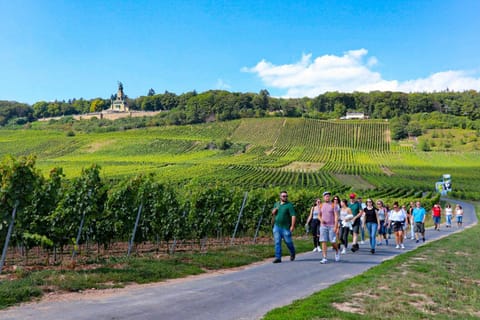
A trained culture and wine ambassador will accompany you on this fascinating, approximately three-hour tour on Saturdays from April to October through the beautiful Rü...
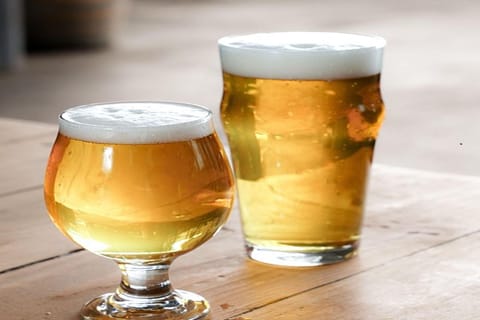
The unique taste experience with a personal touch in Rüdesheim am Rhein.
Every vineyard, tasting room, wine bar and cellar we cover in Rheingau, pinned. Click a pin for the page.
The iconic bottles that define Rheingau.
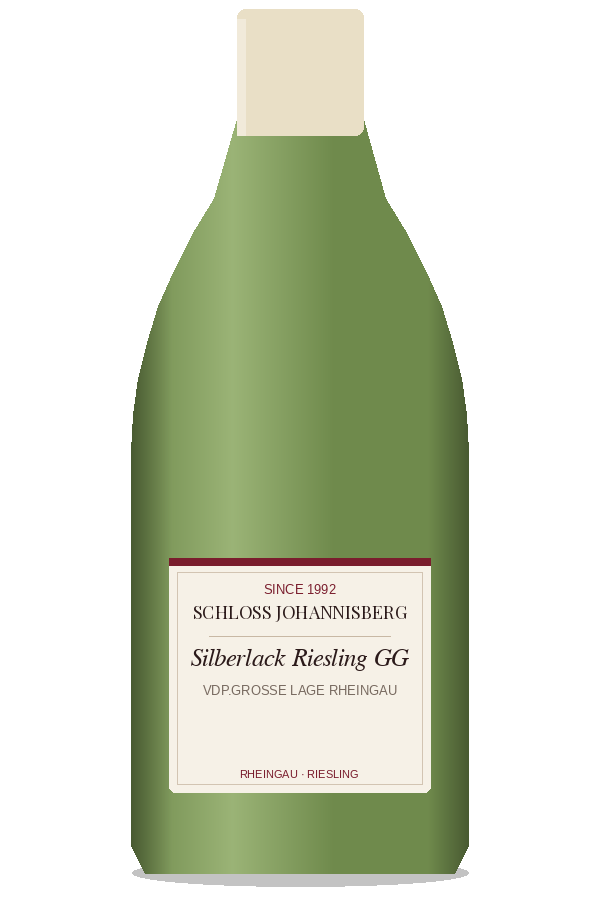
Producer: Schloss Johannisberg
The silver-foiled flagship dry Grosses Gewachs from the Johannisberg quartzite slope of the 1720 monastic estate.
Price: EUR 55 to 90 at retail
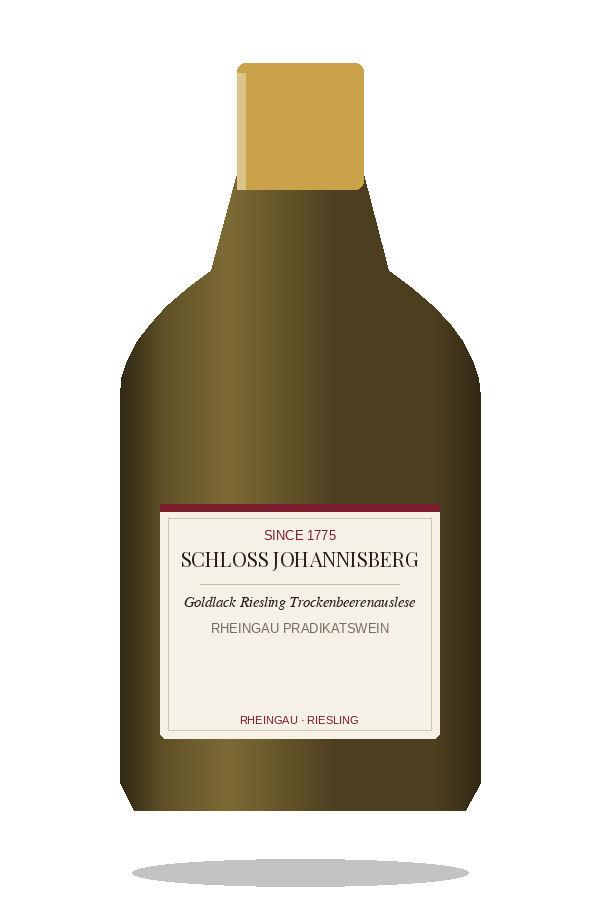
Producer: Schloss Johannisberg
The gold-foiled Schloss Johannisberg Trockenbeerenauslese, late-harvest botrytised Riesling in the 1775 Spaetlese lineage.
Price: EUR 400 to 900 at retail per 375ml
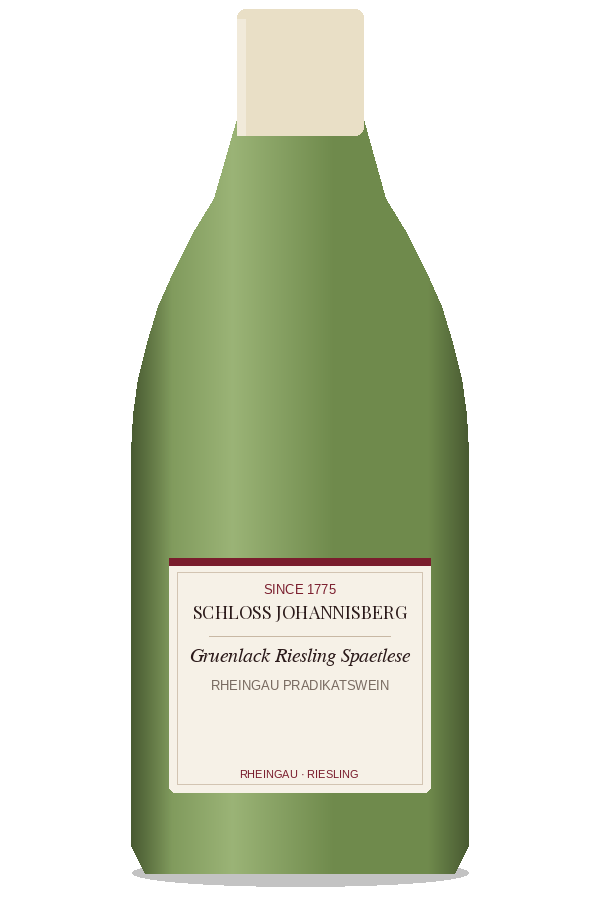
Producer: Schloss Johannisberg
Schloss Johannisberg's green-foiled fruity-sweet Spaetlese on the Johannisberg quartzite hill.
Price: EUR 35 to 55 at retail
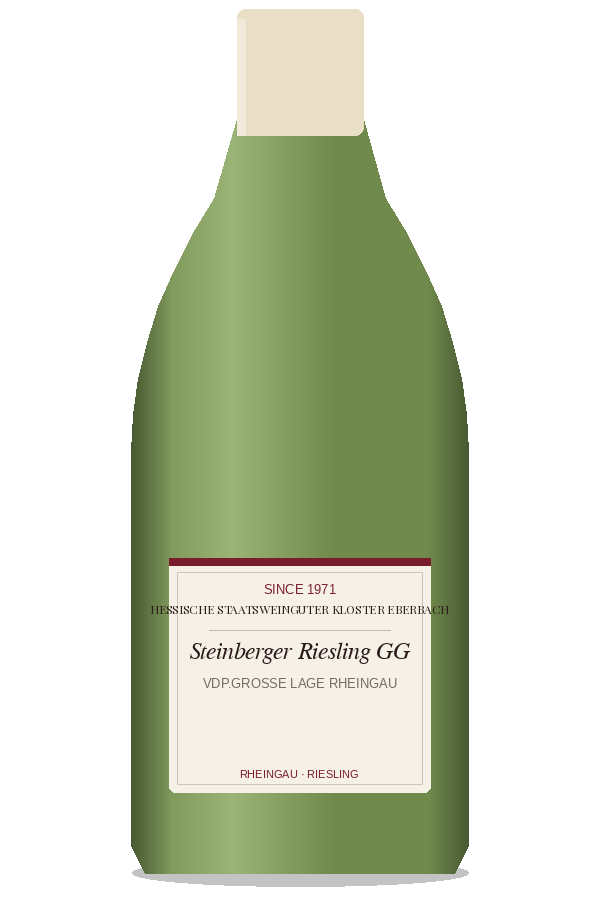
Producer: Hessische Staatsweingueter Kloster Eberbach
The walled-vineyard dry Grosses Gewachs from the 1136 Cistercian Steinberg above Eltville.
Price: EUR 45 to 70 at retail
Producer: Hessische Staatsweingueter Kloster Eberbach
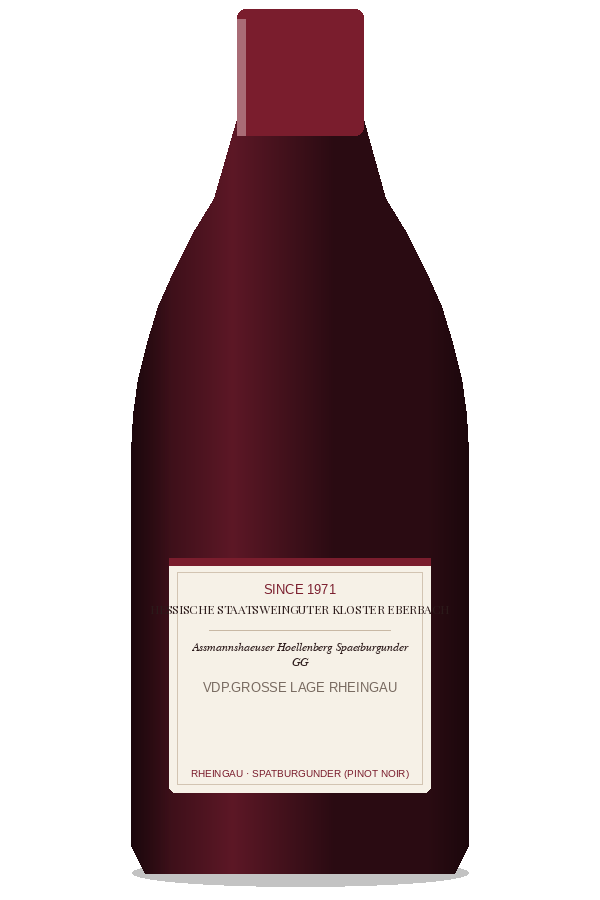
The Hessian state estate's flagship dry Grosses Gewachs Spaetburgunder from the historic German Pinot enclave on red slate.
Price: EUR 50 to 85 at retail
Producer: Hessische Staatsweingueter Kloster Eberbach
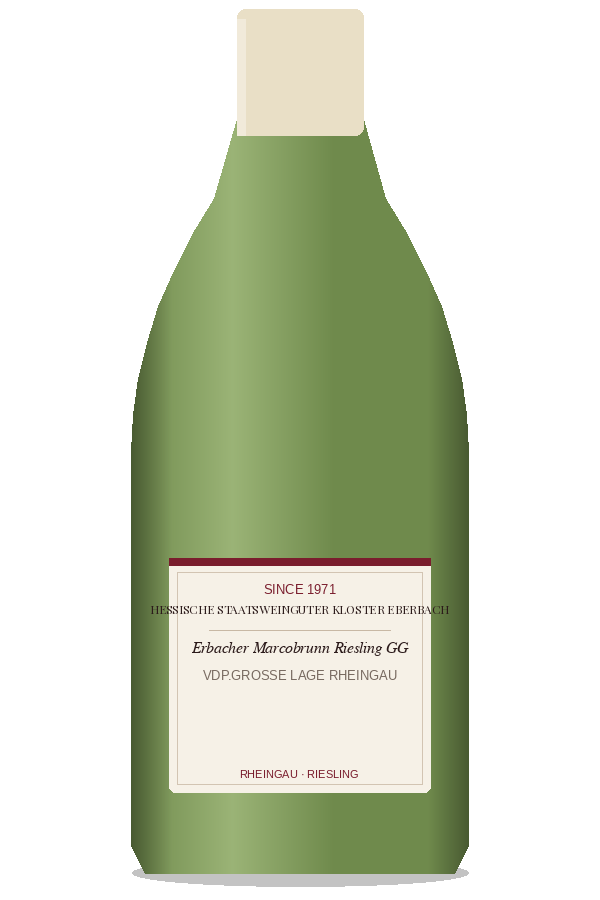
The Hessian state estate's dry Grosses Gewachs Riesling from the Marcobrunn springwater vineyard.
Price: EUR 50 to 80 at retail
A handful of the estates we send friends to when they are in Rheingau.
Hilltop Schloss Johannisberg above Geisenheim documents a 1720 Riesling replanting and a 1775 Spatlese courier story; 51.5 ha of Riesling-only quartzite.
Hessian state wine estate at the 1136 Cistercian abbey of Eberbach, working 168 ha across the Rheingau with the walled Steinberg monopole and Assmannshausen.
An 800-year-old Riesling-only estate above Winkel, with Greiffenclau wine sales to the Mainz St. Viktorstift from 1211; 68 ha planted entirely to Riesling.
An 1875-founded Kiedrich Riesling estate run by Wilhelm Weil with Suntory as majority partner from 1988; 78 ha all Riesling, flagship Kiedricher Graefenberg.
Gunter Kunstler's Hochheim estate, family-owned since 1648 and VDP member since 1994, working 68 ha across Hochheimer Holle, Domdechaney, Kirchenstuck and Stielweg.
Johannes Leitz's Rudesheim estate, 111 ha of mostly Riesling across Berg Schlossberg, Berg Rottland, Berg Roseneck and Berg Kaisersteinfels.
Easternmost Rheingau village on the Main where 'hock' was born, with Victorian royal pedigree and Hochheimer Hölle on chalky loess.
Also: Hochheim am Main
A compact Riesling commune on the route, with Walkenberg dry Rieslings from a 19th-century family estate next to the Rhine.
Sandstone riverside castle, June rose gardens and the headquarters of Rheingau wine, with Kloster Eberbach 15 minutes uphill.
The Marcobrunn boundary stone, the riverside Schloss Reinhartshausen and a cluster of historic estates around the Erbacher church.
Also: Eltville-Erbach
Hilltop Gothic basilica, the Gräfenberg on phyllite slopes and the Robert Weil estate at the centre of the village.
Hilltop forest-edge village with Baiken and Rothenberg on phyllite, perfumed cool-air Rieslings prized in 19th-century price lists.
Peak wine-travel season in Rheingau is spring through autumn, with harvest the standout window.
classified-growth and grand-cru estates require booking days to weeks ahead; smaller family domaines often take walk-ins midweek.
most estates open 10:00 to 17:00 by appointment, often closed Sunday and Monday.
tipping is not expected at tastings; buying a bottle from the cellar door is the customary thank-you.
If you only open one bottle, open Silberlack Riesling GG by schloss-johannisberg. It is the wine most associated with Rheingau.