Our pick
The Velho is hard, strong and yellowish, with a rind rubbed with a paprika paste. A ten-year tawny is nutty and mellow, and its sweetness softens that strength; the wine records pair these tawnies with aged cheese.
Bottles to try:
Our pick
The Velho is hard and strong, with a rind rubbed in paprika paste. A twenty-year tawny brings concentrated dried fruit and nuts with a long finish, enough concentration to stand beside it; the wine records pair these tawnies with aged cheese.
Bottles to try:
Our pick
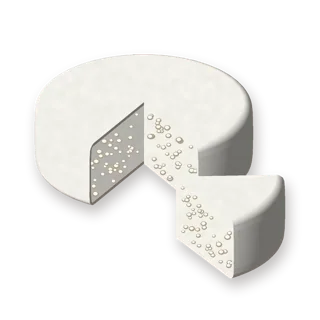
A single-harvest tawny matured for years in cask is sweet and concentrated, with dried fruit at its centre. Set against an extra-hard, slightly piquant goat's cheese, that sweetness softens the tang.
Bottles to try:
Our pick
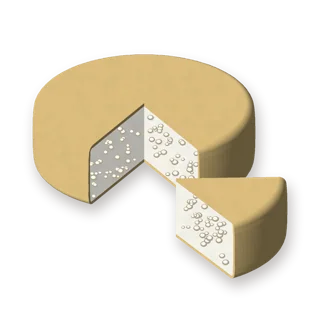
Young Terrincho is mild and clean, with a slightly unctuous, buttery paste. Mineral, saline Douro whites with racy acidity cut the richness.
Bottles to try:
Our pick
The goat's cheese is extra-hard and white, with a clean flavour and a slightly piquant tang. A ten-year white Port is honeyed, nutty and gently oxidative, and that honeyed depth sets off the tang.
Bottles to try:
Our pick
The Velho is hard and firm with a strong flavour and a paprika-rubbed rind, so it needs structure. These dry Douro reds are full-bodied with firm tannin and high acidity, which hold their own against it.
Bottles to try:
Our pick
The cheese is extra-hard with a clean flavour and a slightly piquant tang. Mineral, saline Douro whites with racy acidity refresh the palate between pieces.
Bottles to try:
Our pick
The Velho is hard and strong. A Late Bottled Vintage is wood-aged, black-fruited and ready to drink, its sweetness balancing a sharp aged cheese; the wine records pair these LBVs with mature cheddar.
Bottles to try:
Our pick
The goat's cheese is extra-hard with a clean flavour and a slight tang. Thirty and forty-year tawnies are intensely concentrated, with dried fruit, spice and aged wood, a deep sweetness that answers the tang.
Bottles to try:
Queijo Terrincho with Dry white Port, chilled ★ 3.9
Our pick
Young Terrincho is mild, with a buttery paste. These dry white Ports are nutty, crisp or citrus-fresh, and served chilled, so the nuttiness meets the cheese while the chill keeps it fresh.
Bottles to try:
Queijo Terrincho with Medium-bodied fresh Douro red ★ 3.9
Our pick
Young Terrincho is mild and buttery, so it wants a red that will not overpower it. These dry Douro reds are medium-bodied with medium tannin and high acidity, fresh enough to lift the paste.
Bottles to try:
Our pick
Young Terrincho is mild, clean and buttery. A reserve tawny is nutty and lightly sweet, an accessible partner that leaves the cheese's flavour intact.
Bottles to try:
Our pick
The cheese is extra-hard with a clean flavour and a slight tang. Douro Moscatel is sweet and aromatic, with orange blossom and candied citrus lifted by fresh acidity, a bright counterpoint to the tang.
Bottles to try:
Our pick
The Velho is a hard, strong aged sheep's cheese. Vintage Port is sweet, black-fruited and firmly structured, and a fortified red of that weight beside a firm aged cheese is a classic structure match: the sweetness meets the strength and the tannin meets the firm paste.
Bottles to try:
Our pick
The cheese is extra-hard and clean with a slight tang. These dry Douro reds are full-bodied with medium tannin and ripe fruit, rounded enough not to fight a clean cheese.
Bottles to try:
Our pick
The Velho is a hard, strong aged sheep's cheese with a paprika-rubbed rind. A reserve ruby is a rich, smooth, fruit-forward fortified red, and that sweetness and body are a classic match for a firm aged cheese of this strength.
Bottles to try: