Stilfser with Alto Adige Schiava (Vernatsch) ★ 4.7
Qualigeo lists Alto Adige Schiava among the usual partners of Stilfser. These run from light to medium body, with almond, red fruit or violet and low to medium tannin, so the cheese's spicy aroma and intense flavour stay in front.
Bottles to try:
Stilfser with Alto Adige Pinot Nero ★ 4.7
Qualigeo lists Alto Adige Pinot Nero as the other usual partner. Its ripe fruit, fresh acidity and medium, fine tannin set off the strong, spicy paste without burying the slight nuttiness Mila finds in the cheese.
Bottles to try:
Stilfser with Alto Adige Lagrein ★ 4.6
For the more aged wheels Qualigeo recommends Alto Adige Lagrein. Its medium to full body and medium to firm tannin give a longer-aged, stronger cheese a wine of matching weight, and the fat of the paste softens its grip.
Bottles to try:
Our pick
Vinschger has an intense, complex flavour and a long, strong finish (Mila). A dry Alto Adige Riesling with a mineral edge and high acidity cuts through the melting paste and resets the palate.
Bottles to try:
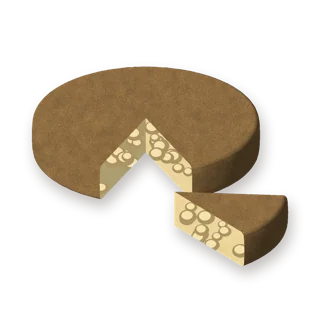
Dolomitenkönig with Alto Adige Gewürztraminer ★ 4.4
Our pick
Mila describes a nutty, spicy aroma with fine honey notes that develops on the palate. A dry, full-bodied Alto Adige Gewürztraminer brings aromatic weight to match that intensity, with medium acidity to keep the pairing fresh.
Bottles to try:
Our pick
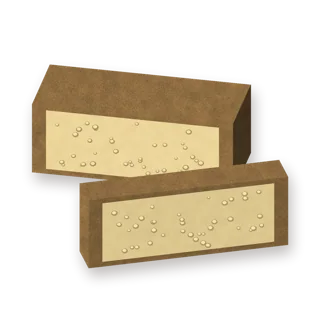
The cheese is mild-sour with a tender, sliceable paste (Sennerei Drei Zinnen). A medium-bodied Alto Adige Pinot Bianco with fresh fruit and high acidity meets that gentle sourness and clears the palate between slices.
Bottles to try:
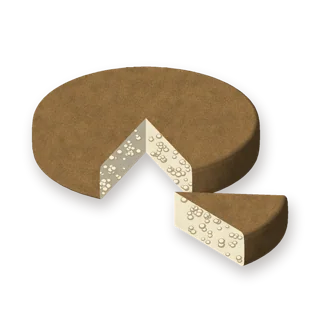
Sextner Almkäse with Alto Adige Pinot Bianco ★ 4.3
Our pick
The Käserei Sexten suggests light, fruity white wines for its Almkäse. A medium-bodied Alto Adige Pinot Bianco with high acidity, raised mostly in steel, is fresh enough for a very soft cheese that runs from mild to spicy.
Bottles to try:
Sextner Almkäse with Alto Adige Schiava (Vernatsch) ★ 4.3
Our pick
The Käserei Sexten also suggests light, fruity red wines for its Almkäse. A light-bodied Schiava with low tannin and notes of violet and almond sits easily with the cheese's very soft, supple paste.
Bottles to try:

Our pick
The dairy calls its goat cheese soft to semi-firm and compact, a little sharp when fully ripe. A medium-bodied, aromatic Alto Adige Sauvignon with high acidity sits alongside the goat tang and cuts through the compact paste.
Bottles to try:
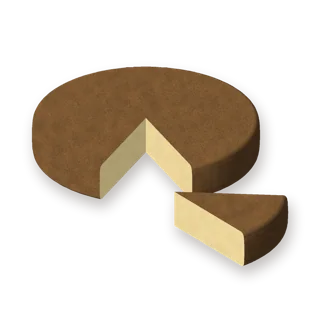
Ortler with Alto Adige Chardonnay ★ 4.3
Our pick
Mila finds milky, nutty aromas with light pistachio and a pleasant piquancy in Ortler. An oak-raised Alto Adige Chardonnay is full-bodied and broad enough for the nutty paste, and its high acidity handles the spice.
Bottles to try:
Vinschger Schnittkäse with Alto Adige Sauvignon raised on the lees in wood ★ 4.3
Our pick
Vinschger is intense and complex, with light fruit, grass and hay and a long, strong finish. A Sauvignon raised on its lees, partly or wholly in wood, has the breadth to meet it, and its high acidity cuts the melting paste.
Bottles to try:

Alta Badia Hartkäse with Alto Adige Pinot Bianco raised on the lees in large wood ★ 4.3
Our pick
Mila describes an intense hard cheese with milky and toasted notes and a firm yet melting paste. A Pinot Bianco raised on its lees, partly or wholly in large wooden casks, has the depth for that intensity, and its high acidity cuts the fat.
Bottles to try:
Our pick
A Valle Isarco Sylvaner is medium-bodied, with high acidity and a mineral edge. Its freshness clears the palate between slices of the mild-sour, 45 percent fat bar cheese without covering its gentle flavour.
Bottles to try:

Graukäse with Valle Isarco Sylvaner ★ 4.2
Our pick
Slow Food describes a lean cheese with a bitter note that grows with ripeness, classically dressed with oil, wine vinegar and onion. Sylvaner's high acidity can stand next to the vinegar, and its fruit and mineral savour soften the bitterness.
Bottles to try:

Algunder Bauernkäse with Santa Maddalena (Schiava with a little Lagrein) ★ 4.2
Our pick
The dairy describes a mild to slightly spicy cheese with a paste that slices softly. A medium-bodied Santa Maddalena with cherry fruit and low to medium tannin is soft enough for the cheese yet fruity enough to carry its slight spice.
Bottles to try:
Our pick
Mila describes an intense hard cheese with toasted and potato notes and a short, firm, melting paste. A full-bodied Lagrein Riserva, aged in oak, brings depth and firm tannin to match the cheese's concentration.
Bottles to try:
Our pick
Mila serves Pustertaler with speck or apples and calls it mild-aromatic. A medium-bodied Valle Isarco Grüner Veltliner with a spicy, herbal edge and high acidity keeps the supple paste fresh without covering it.
Bottles to try:
Stilfser with Alto Adige late-harvest (Vendemmia Tardiva) ★ 4.2
Our pick
Stilfser's washed rind gives a strong, spicy, intense flavour. A sweet late-harvest Alto Adige wine sets its sweetness against that salt and spice, and its high acidity keeps the pairing from cloying.
Bottles to try:
Marienberger with Alto Adige Kerner ★ 4.1
Our pick
Marienberger is mild, fresh and milky (Mila). An Alto Adige Kerner with peach fruit and high acidity brings juicy freshness, so the harmonious, supple paste is lifted rather than covered.
Bottles to try:
Our pick
This is a lean cheese, 8 percent fat, mild and faintly sour. A dry, medium-bodied Müller-Thurgau with high acidity and an aromatic lift echoes the faint sourness and has no weight to bury a lean paste.
Bottles to try: