Private Full Day Tour to Eger - History, Culture and Wine
Eger is a beautiful baroque city located in Northern Hungary and known for its castle, thermal baths, historic buildings (including the northernmost Turkish minaret) a...

Bull's Blood country: Kekfrankos-led Bikaver and rhyolite-tuff cellars in the Bukk foothills
The Eger wine region (Egri borvidek) covers roughly 5,400 hectares on the southern foothills of the Bukk Mountains in northeastern Hungary, split administratively into the Eger district (the town of Eger plus Andornaktalya, Demjen, Egerbakta, Egerszalok, Egerszolat, Felsotarkany, Kerecsend, Maklar, Nagytalya, Noszvaj, Novaj, Ostoros and Szomolya) and the smaller Debro district (Aldebro, Feldebro, Kompolt, Tarnaszentmaria, Tofalu and Verpelet). Vines have been worked here for close to a thousand years, and the region's volcanic riolite tuff proved perfect for carving cellars: the town's Szepasszony-volgy (Valley of the Beautiful Women) alone holds roughly 200 of them cut into the soft rock. Eger's fame rests on Egri Bikaver, the dark, spiced red blend known abroad as Bull's Blood. Legend ties the name to the 1552 Siege of Eger, when the fortress held out against an Ottoman army; the wine's DHC (Districtus Hungaricus Controllatus) rules, Hungary's first quality-wine framework when adopted in 1997, are exact rather than legendary. Under the current EU-registered specification, Egri Bikaver at every tier (Classicus, Superior and Grand Superior) must be a coupage of at least four grape varieties, each contributing more than 5%, with Kekfrankos required to supply between 30% and 65% of the blend and to remain its largest single component; Turan and Biborkadarka combined may not exceed 10%. Classicus is fermented on the skins for at least eight days and, aside from wines made purely from the early-ripening Blauburger, Kadarka, Kekoporto or Turan, aged at least six months in wood; Superior and Grand Superior extend skin contact to at least fourteen days and barrel ageing to at least twelve months, and a Grand Superior label must additionally name the single vineyard slope (dulo) the grapes came from. The white counterpart, Egri Csillag (Star of Eger), follows a parallel logic: a coupage of at least four aromatic white varieties, none exceeding 50% of the blend, with a minimum of half the wine coming from a defined list that includes Furmint, Harslevelu, Olaszrizling, Leanyka, Kiralyleanyka, Kabar and Juhfark, and a secondary group of lighter aromatic varieties (Irsai Oliver, Sarga Muskotaly, Cserszegi Fuszeres among them) capped at 30% combined. Both wines were built to prove that no single grape variety, however dominant, tells the whole story of Eger. Phylloxera devastated the region's old Kadarka-heavy vineyards in 1886, and the postwar replanting introduced the Cabernets, Merlot, Pinot Noir and Syrah that now sit alongside Kekfrankos, Kadarka, Kekoporto and Turan in the Bikaver blend. The Debro district, centred on Feldebro, kept its own identity around Harslevelu (Debroi Harslevelu), while Egerszalok became known for Olaszrizling (Egerszalati Olaszrizling) and Eger itself for the white Leanyka (Egri Leanyka). Visitors split their time between the numbered cellar doors of Szepasszony-volgy, a five-minute taxi ride from Eger's baroque old town, and the single-estate visits further out in Noszvaj, Egerszalok, Demjen and Verpelet.
Eger is a beautiful baroque city located in Northern Hungary and known for its castle, thermal baths, historic buildings (including the northernmost Turkish minaret) a...

Head to Eger, one of the most beautiful baroque city of Hungary, in a breathtaking natural surrounding, on this private guided tour. Explore this picturesque Hungarian...

Explore northeastern Hungary in comfort with a private tour to Eger, home to renowned wineries, including "Egri Bikavér," famous for its rich red wine. This customizab...
Every vineyard, tasting room, wine bar and cellar we cover in Eger, pinned. Click a pin for the page.
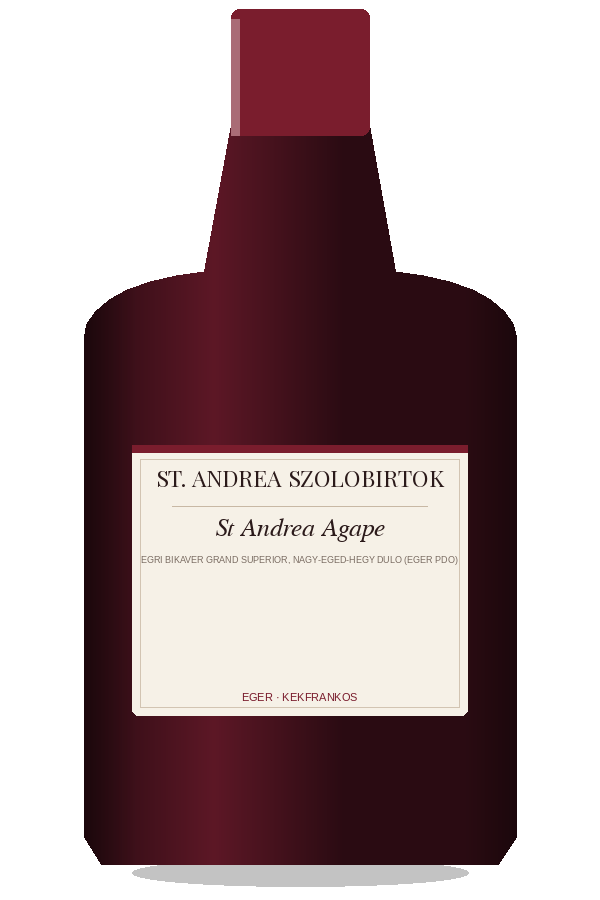
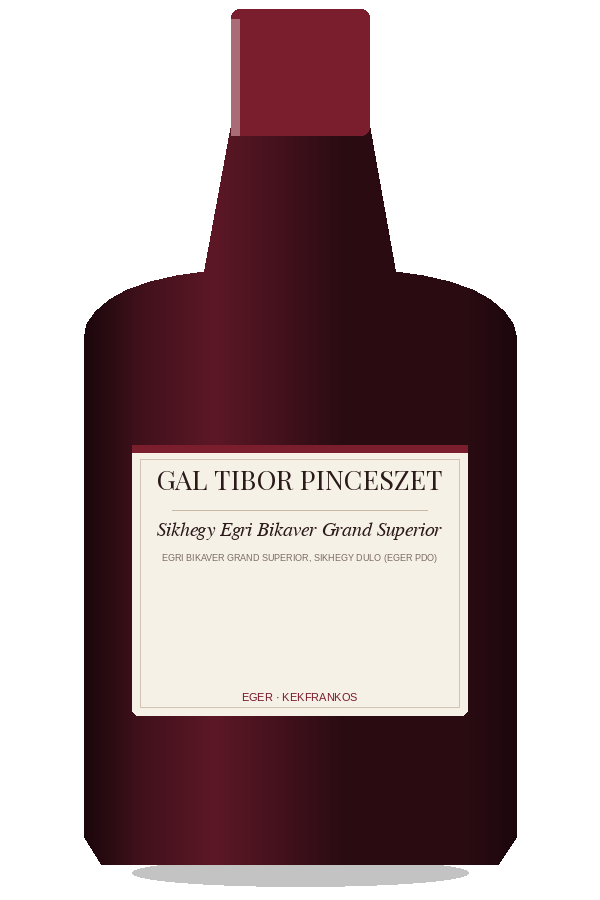
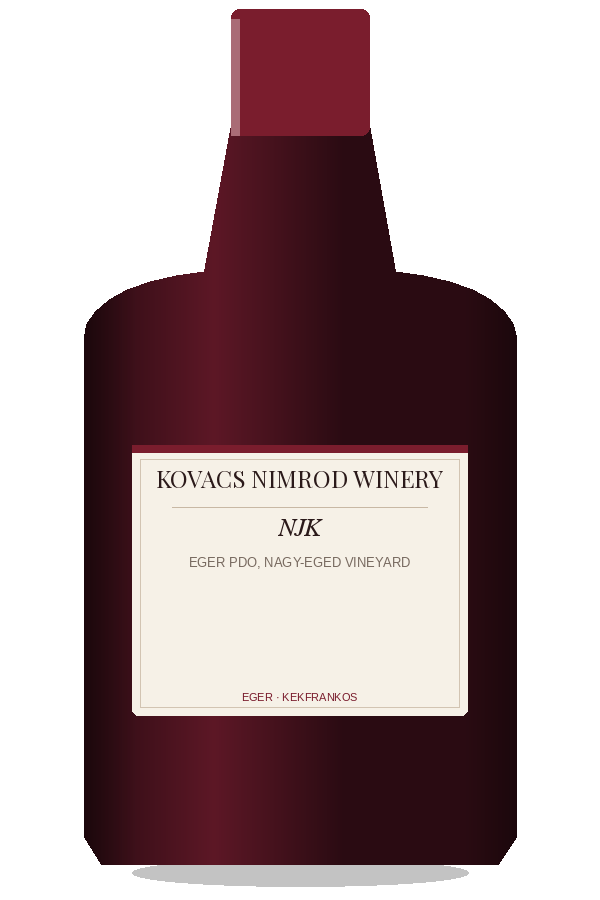
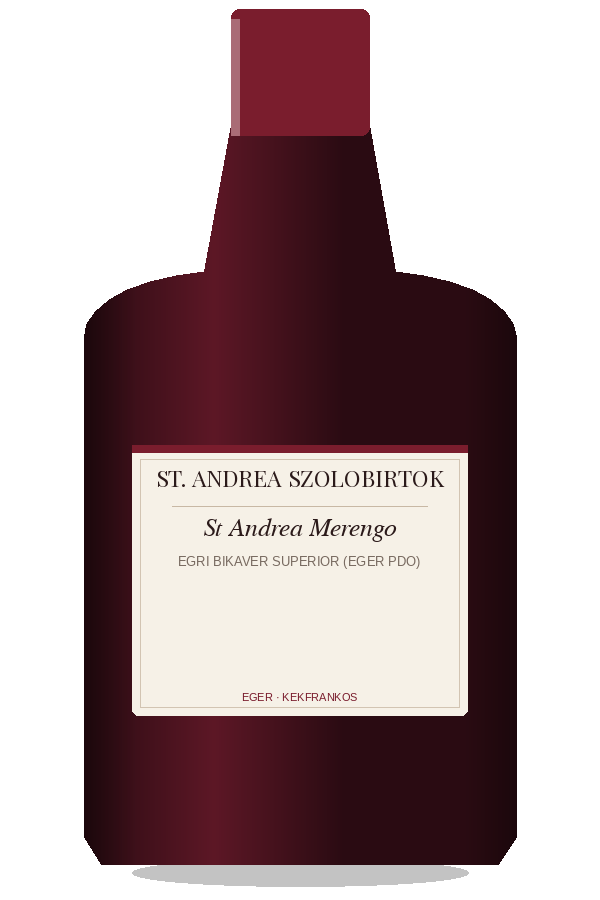
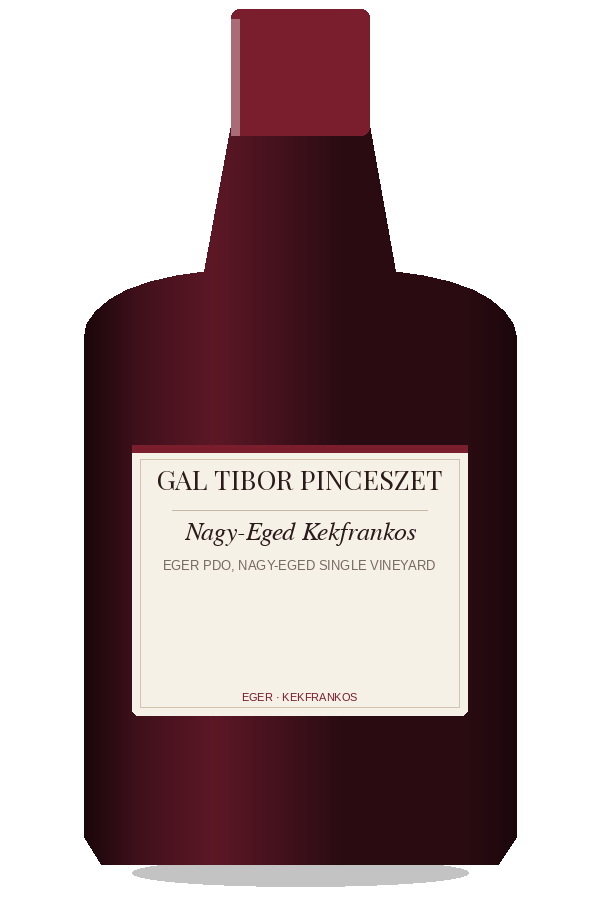
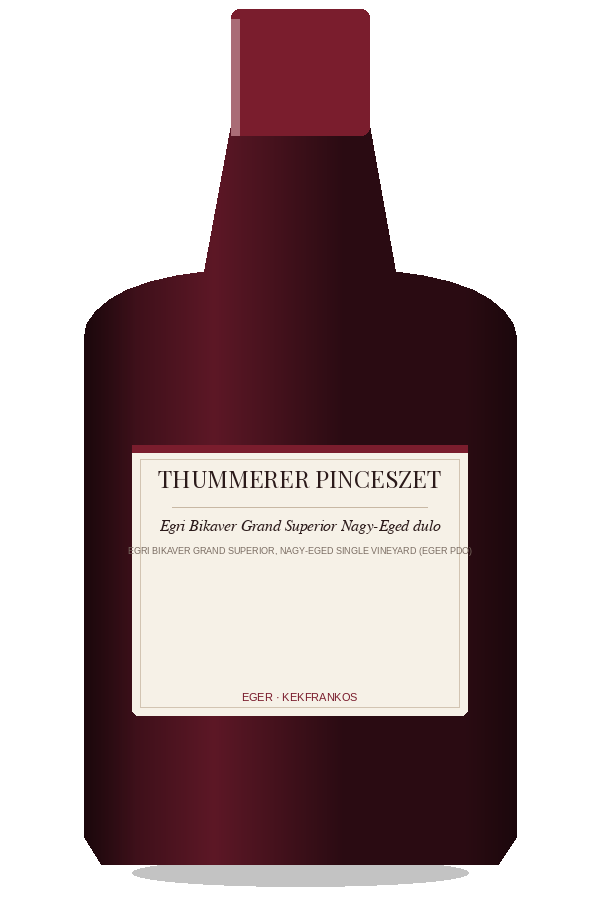
The iconic bottles that define Eger.
Producer: St Andrea
Price: €116-185 at retail
Producer: Gal Tibor
Price: €32-51 at retail
Producer: Kovacs Nimrod
Price: €43-68 at retail
Producer: St Andrea
Price: €27-43 at retail
Producer: Gal Tibor
Price: €27-43 at retail
Producer: Thummerer
Price: €15-24 at retail
A handful of the estates we send friends to when they are in Eger.
Founded in 1984 by Vilmos Thummerer and now run by his descendants, this Noszvaj estate farms around 100 hectares across several of Eger's premium slopes, including Nagy-Eged, and has won numerous domestic and international awards.
Signature: Nagy-Eged Kekfrankos, Egri Bikaver Superior
A central Eger cellar founded in 1993, now run by second-generation winemaker Gal Tibor Jr., known for Kekfrankos-led Egri Bikaver and an on-site tasting bar pairing wine with local food.
Signature: Egri Bikaver, Kekfrankos
Founded by investor and philanthropist Kovacs Nimrod, this Eger winery blends Kekfrankos-led Bikaver cuvees with a wider international range including Pinot Noir, Syrah and Furmint, and was named Gastro-Winemaker of the Year in the 2016 Best of Budapest awards.
Signature: NJK, Monopole Rhapsody Bull's Blood, SKY Furmint
Based in Egerszalok, St. Andrea exports internationally and has earned Decanter and James Suckling recognition for its Nagy-Eged-hegy and Merengo Bikaver cuvees.
Signature: Merengo Egri Bikaver Superior, Agape Nagy-Eged-hegy Egri Bikaver Grand Superior, Napbor Egri Csillag
Founded in 1983 by Ferenc Toth and now run by his daughter Kata and her husband, this family winery operates a main cellar plus a Szepasszony-volgy tasting cellar, producing Bikaver, Csillag and single-varietal Kekfrankos and Kadarka.
Signature: Egri Csillag Superior, Nagy-Eged Kekfrankos Grand Superior
A large hospitality-oriented winery and wellness complex in Demjen, Egri Korona Borhaz produces its own Grand Selection and Selection ranges of red, white and rose wines alongside a wine-themed hotel and spa.
Signature: Grand Selection red cuvee
Peak wine-travel season in Eger is spring through autumn, with harvest the standout window.
classified-growth and grand-cru estates require booking days to weeks ahead; smaller family domaines often take walk-ins midweek.
most estates open 10:00 to 17:00 by appointment, often closed Sunday and Monday.
tipping is not expected at tastings; buying a bottle from the cellar door is the customary thank-you.
If you only open one bottle, open St Andrea Agape by St. Andrea Szolobirtok. It is the wine most associated with Eger.