Pheasant's Tears Rkatsiteli
Producer: Pheasants Tears
Rkatsiteli taken through qvevri with the ripest stems and no oak at any stage. The Sighnaghi bottle to open first if you want to learn what skin contact does to a Georgian white.

Qvevri marani, Saperavi reds and the Alazani Valley
Eight municipalities, a valley of vines and a winemaking method that predates the barrel. Kakheti is where Georgian wine tourism starts, from Telavi and Tsinandali to Kvareli, Gurjaani and Sighnaghi.
Every vineyard, tasting room, wine bar and cellar we cover in Kakheti, pinned. Click a pin for the page.
The iconic bottles that define Kakheti.
Producer: Pheasants Tears
Rkatsiteli taken through qvevri with the ripest stems and no oak at any stage. The Sighnaghi bottle to open first if you want to learn what skin contact does to a Georgian white.
Producer: Pheasants Tears
Saperavi fermented and aged in qvevri with the stems and no oak, so the grip comes from skins, seeds and clay rather than from a barrel. Worth the drive up to Sighnaghi.
Producer: Alaverdi Monastery Marani
Rkatsiteli from the vineyards that surround Alaverdi Monastery, vinified in qvevri in the monastery's eleventh century cellar by the monks who farm them.
Producer: Telavi Wine Cellar
Kondoli-grown Rkatsiteli fermented in qvevri and then aged in oak, about 6,100 bottles a year. Amber wine given a barrel, which is not how most of Kakheti does it.
Producer: Telavi Wine Cellar
Kondoli Saperavi fermented in qvevri and then aged in oak, around 68,000 bottles. Tasted beside the Satrapezo amber it shows what one estate's fruit does in red and in white.
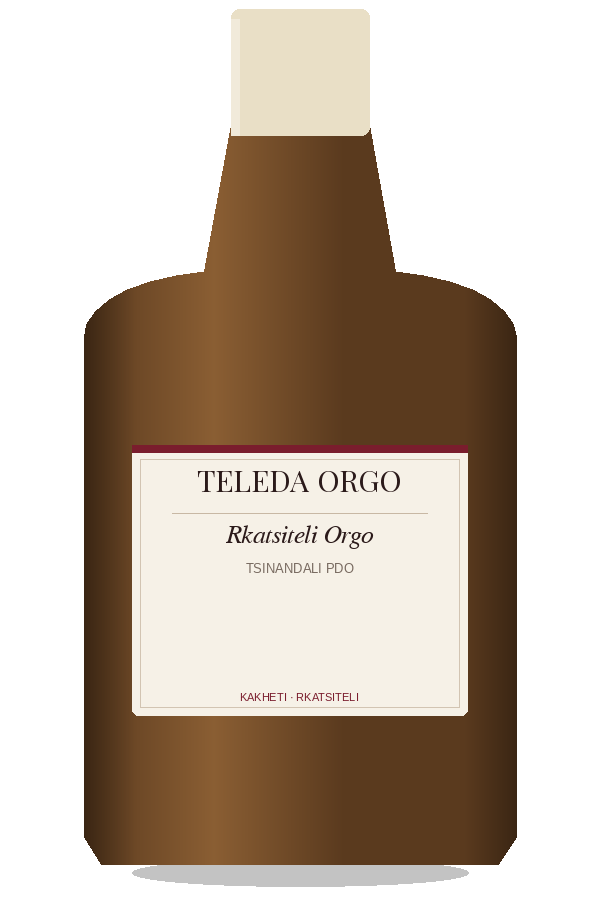
Producer: Teleda Orgo
Six months on the skins in qvevri and no oak, from the Tsinandali zone at Kisiskhevi. Tannic enough to explain why Kakhetian whites get poured alongside meat.
A handful of the estates we send friends to when they are in Kakheti.
Kisiskhevi estate drawing on vineyards in the Napareuli, Tsinandali and Kindzmarauli zones, with tank-fermented wines alongside a qvevri range, plus a hotel and spa on site.
Kisiskhevi cellar bottling under the Orgo and Dilao labels. Rkatsiteli, Kisi, Mtsvane and Saperavi ferment in qvevri, with a reserve Saperavi and a qvevri-fermented sparkling.
The Chavchavadze estate at Tsinandali, with a historic cellar, a park and a hotel. Tastings and cellar tours run daily from the estate visitor programme.
Family winery founded in 1997 beside the Chavchavadze park at Tsinandali, taking fruit from the Mukuzani, Napareuli, Kindzmarauli and Tsinandali zones.
Napareuli cellar run by twin brothers, working in buried qvevri. The site also holds a qvevri museum, a restaurant and guest rooms.
Kurdgelauri winery trading as Marani since 1915, with the Satrapezo and Kondoli ranges and its own vineyards on the Kondoli hills. Wine tours run from the site.
Administrative centre of Kakheti on the Tsiv-Gombori foothills, and the usual base for a wine trip. Cellars ring the town in Kisiskhevi, Kurdgelauri and Vardisubani.
Village 79 km east of Tbilisi in Telavi district, known for the Chavchavadze palace and estate winery, and for the dry white blend that carries its name.
Village 25 km north of Telavi at about 420 metres, on the left bank terraces. One of the zones the Georgian Wine Association names for high quality Saperavi fruit.
Town in the north of Kakheti in the Alazani Valley, under the Greater Caucasus foothills. Tunnel cellars and estate wineries sit within a few kilometres of the centre.
Appellation on the Kvareli side of the Alazani for naturally semi-sweet red Saperavi. The style stops fermentation with sugar still in the wine rather than adding any.
Right bank of the Alazani in its middle reaches, with 1152 hectares of vineyard across Bakurtsikhe, Chumlaki, Shashiani, Kalauri and Vachnadziani.
Peak wine-travel season in Kakheti is spring through autumn, with harvest the standout window.
classified-growth and grand-cru estates require booking days to weeks ahead; smaller family domaines often take walk-ins midweek.
most estates open 10:00 to 17:00 by appointment, often closed Sunday and Monday.
tipping is not expected at tastings; buying a bottle from the cellar door is the customary thank-you.
If you only open one bottle, open Pheasant's Tears Rkatsiteli by Pheasant's Tears. It is the wine most associated with Kakheti.