Casera Consortile del Pecorino di Farindola
The producers' consortium shop, opened 2001 in a basement of the renovated town hall. It sells Pecorino di Farindola from the member farms and also selects and ages the cheeses it sells.

Cheese · Abruzzo
Also labelled Pecorino d'Abruzzo
A hard, pressed sheep's milk cheese from Whole region, mainly the transhumance country now covered by the three national parks and the Sirente Velino regional park.
The general pecorino of the Abruzzo mountains, made from raw whole sheep's milk with animal rennet and salt, and listed as an Abruzzo traditional food product. It is a hard or semi-hard, dry paste with slight eyes. Methods vary slightly by place: salting is in brine or dry, and the wheels are generally rubbed with olive oil. The Gran Sasso park says wheels run from just over a kilo to 5 or 10 kg, while Italian Wikipedia gives 1 to 3 kg.
Made in: Whole region, mainly the transhumance country now covered by the three national parks and the Sirente Velino regional park
Aroma moves from delicate to more intense and piquant as it ages, per the Gran Sasso park. The park adds that pecorini of this area are generally less salty than those of other parts of central and southern Italy.
Wine and cheese
This mountain pecorino moves from delicate to piquant with age and is generally less salty than pecorini elsewhere in central Italy. A dry Montepulciano d'Abruzzo meets it with fruit and tannin, and the sheep's-milk fat softens the wine's grip.
A young or medium-aged mountain pecorino is delicate at first and grows more piquant. A Cerasuolo d'Abruzzo Superiore, a dry Montepulciano rosé with red fruit, cuts the sheep's-milk fat, and with no tannin there is nothing to clash with the salt.
The grapes behind these winesMontepulciano
From the source
The producers' consortium shop, opened 2001 in a basement of the renovated town hall. It sells Pecorino di Farindola from the member farms and also selects and ages the cheeses it sells.
A 69 km driving loop from Barisciano, published by the Gran Sasso park, through Santo Stefano di Sessanio, Castel del Monte and Calascio. The park suggests buying Canestrato at a farm shop in Castel del Monte and stopping at the Campo Imperatore cooperative's dairy on the way back.
It is the general regional type. Pecorino di Farindola (pig rennet) and Canestrato di Castel del Monte are separate, more tightly defined cheeses, both Slow Food presidia.
The Gran Sasso park calls pecorino the typical product of transhumance between Puglia and Abruzzo, and with ricotta the staple food of shepherds for decades.
Same cheeseboard
Plan the trip
Tastings and tours where it is made, and somewhere to stay.
Booking links go to our partners (GetYourGuide, Viator, Zen Hotels), who may pay us a commission. It never decides what we cover. Editorial standards.
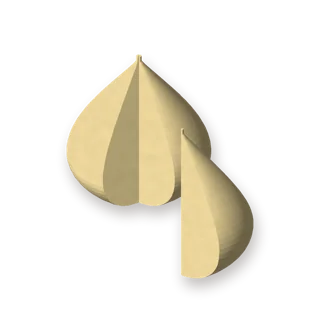
Sources: www.gransassolagapark.it, it.wikipedia.org. The drawing is made from the cheese's recorded shape, rind and paste, not a photograph.