Feudo Pollichino
Organic sheep farm and dairy making Pecorino Siciliano DOP, Vastedda and ricotta from Valle del Belice ewes, offering guided visits with a cheese tasting.

Cheese · DOP · Sicily
Also labelled Vastedda
A stretched curd sheep's milk cheese from 18 municipalities in the provinces of Agrigento, Trapani and Palermo, in the Belice valley.
One of the rare stretched-curd cheeses made from sheep's milk. Raw whole milk of Valle del Belice ewes is set with lamb rennet and rested 24 to 48 hours in rush baskets; the soured curd is then cut, covered with whey at 80 to 90 C in a wooden vessel and stretched by hand into a flat disc on a ceramic plate, 15 to 17 cm across and 500 to 700 g. It has no rind and is brined for 30 minutes to two hours. Slow Food says the name comes from vasta, spoiled, because it began as a way to rework defective summer pecorini.
Made in: 18 municipalities in the provinces of Agrigento, Trapani and Palermo, in the Belice valley
Fresh sheep's cheese, a little tangy but not piquant (Qualigeo). Slow Food finds butter first, with grasses and valerian of the Belice valley behind, and says the best way to eat it is in thick slices with Sicilian olive oil, tomato and oregano.
Rind: none, eaten fresh
Wine and cheese
Qualigeo's sheet for Vastedda suggests a good Sicilian white, perhaps a Grillo or Chardonnay, besides olive oil and oregano. Grillo's citrus, herbal lift and high acidity freshen the mild, slightly tangy fresh sheep curd.
Catarratto, a white of western Sicily, is light to medium in body, fresh and citrus-scented, so it keeps pace with fresh sheep curd without covering its mild butter flavour.
Fresh Vastedda is a little tangy but not piquant, with butter first. A light Nerello Mascalese rosato with high acidity, wild red fruit and a saline edge keeps pace with the tang and leaves the butter alone.
The grapes behind these winesGrilloCatarrattoNerello Mascalese
From the source
Organic sheep farm and dairy making Pecorino Siciliano DOP, Vastedda and ricotta from Valle del Belice ewes, offering guided visits with a cheese tasting.
Family sheep dairy with over 500 ewes, making Pecorino Siciliano DOP, Vastedda and flavoured fresh pecorini, sold in its own shop in Gibellina.
Family cheese shop that grew from a 1950s shop in central Ragusa, where Carmelo Dipasquale selected and aged cheeses in natural caves. Now on Corso Italia, with oil, wine and cured meats.
Second Dipasquale shop, opened in 2007 on the coast at Marina di Ragusa, alongside the Corso Italia shop.
Guided visit of an organic sheep farm and dairy, ending with a tasting of its DOP cheeses, fresh zabbinata and ricotta desserts. Bookings go through the farm's contact page.
Four-day cheese event in the streets of Ragusa Ibla built around Ragusano DOP: tastings, live cheesemaking, themed restaurant menus and guided visits of historic palaces. The second edition was held 23 to 26 July 2026.
Ragusa's agricultural and livestock fair. The 51st edition, held in September 2026, included a Ragusano DOP consortium workshop, wheel marking and a best-wheel contest. In 2025 it moved to a new site on via Prof. Vincenzo Malfitano.
Carnival game in Novara di Sicilia: teams of throwers send a whole aged Maiorchino wheel, wound with a cord, rolling down the town's main street. Slow Food says Basicò keeps the custom too.
No. Qualigeo says it is eaten fresh and does not lend itself to ageing; its production method has it ready 12 to 48 hours after brining.
Qualigeo gives a flat round about 15 to 17 cm across and 500 to 700 g, with a smooth ivory-white surface and no rind.
A good Sicilian white, perhaps Grillo or Chardonnay; it also suggests a few drops of olive oil and some oregano, or use in pasta timballi, sandwiches and pizza.
Qualigeo says 18 municipalities in the provinces of Agrigento, Trapani and Palermo, in the Belice valley.
Same cheeseboard
Plan the trip
Tastings and tours where it is made, and somewhere to stay.
Booking links go to our partners (GetYourGuide, Viator, Zen Hotels), who may pay us a commission. It never decides what we cover. Editorial standards.
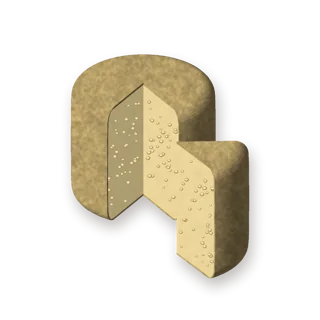
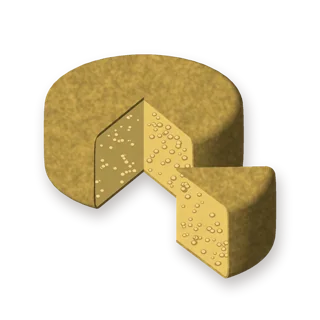
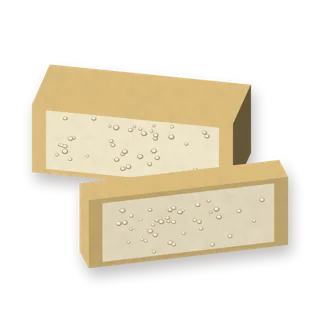
Sources: protection register, www.qualigeo.eu, www.fondazioneslowfood.com. The drawing is made from the cheese's recorded shape, rind and paste, not a photograph.