The cheeses of Valpolicella with the wines made beside them. Pairings marked as a local tradition are the ones a regional source names; the rest are our own picks, and say so.

Wine and cheese in Valpolicella

Monte Veronese with Amarone della Valpolicella ★ 4.5

Our pick

Old d'allevo is the sharpest, most peppery Monte Veronese, a cheese for the end of a meal. Amarone, dry and full-bodied from dried grapes and long ageing, has the weight and alcohol to stand up to it. Serve a small piece.

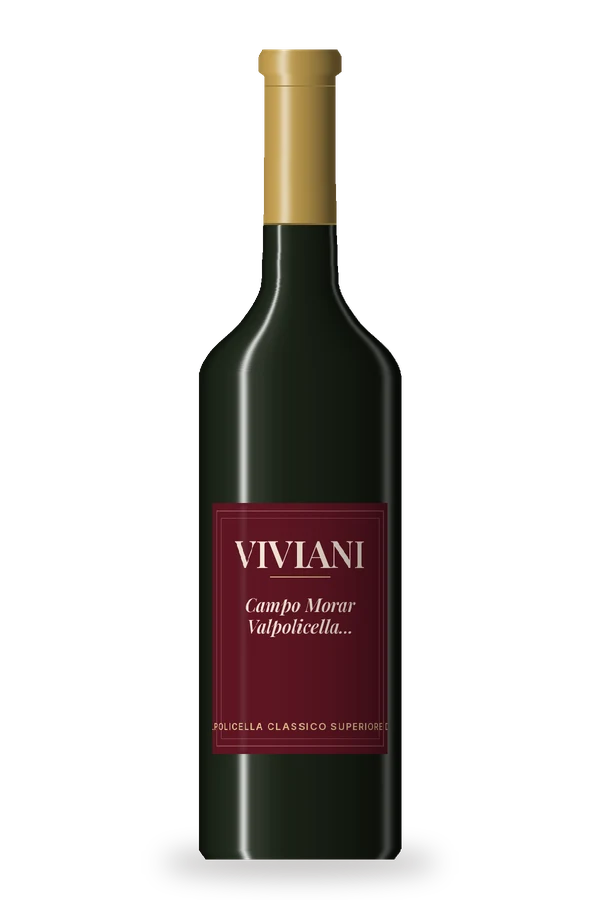
Bottles to try:
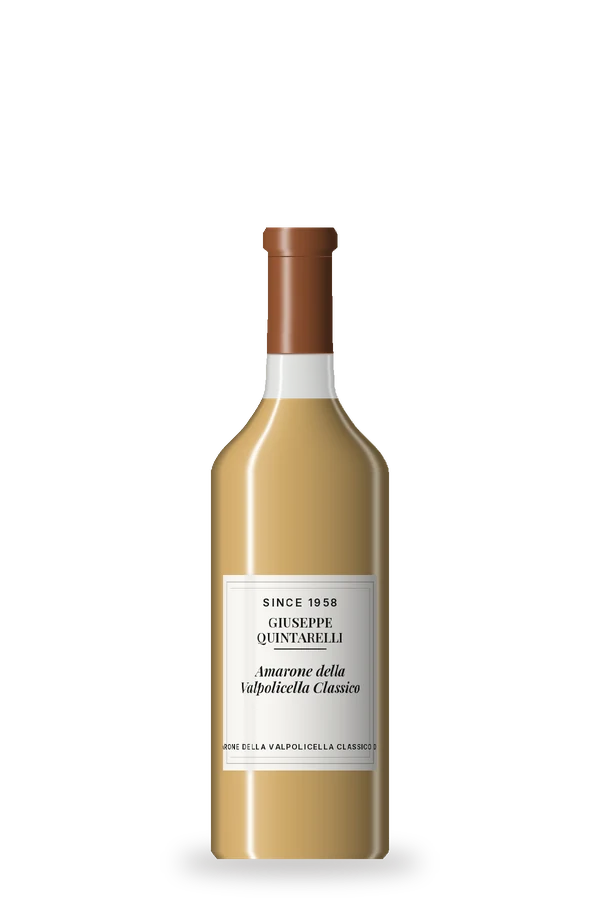
Monte Veronese di malga with Amarone della Valpolicella Riserva ★ 4.4

Our pick

Monte Veronese di malga, aged long, turns hard and slightly granular with butter, hazelnut and a spicy edge. A Riserva Amarone, dry, full and seasoned by years of ageing, matches that depth, and the cheese's fat softens the wine's structure.

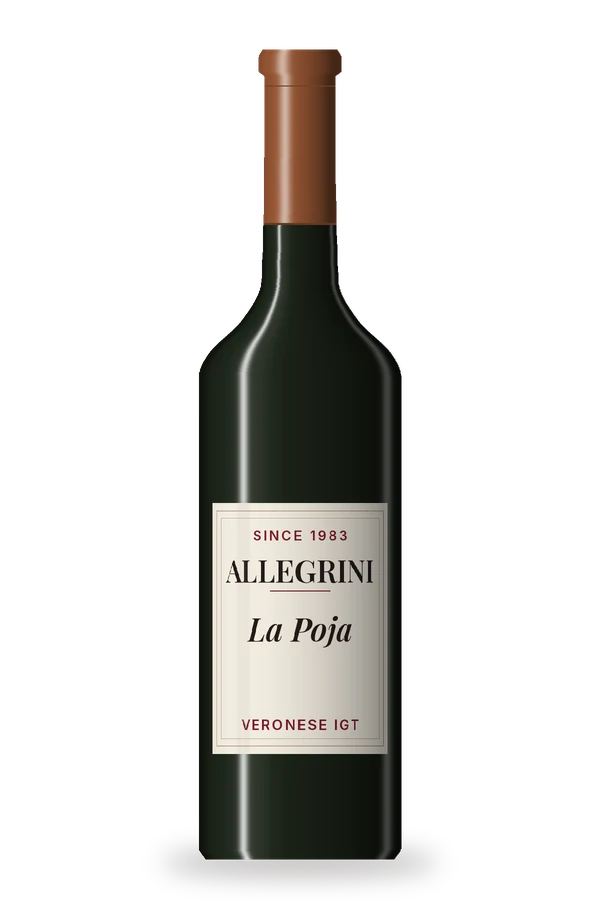
Bottles to try:
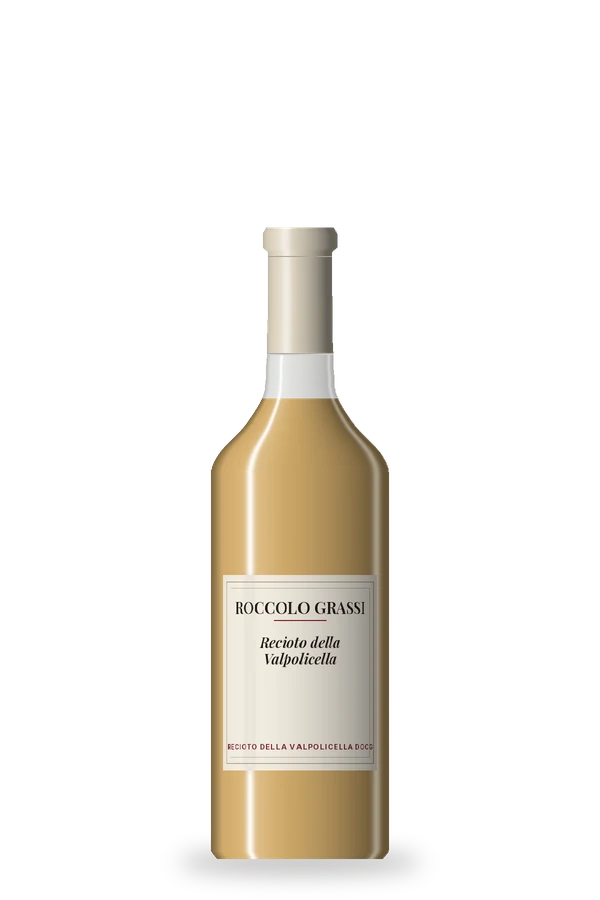
Monte Veronese with Valpolicella Ripasso ★ 4.3

Our pick

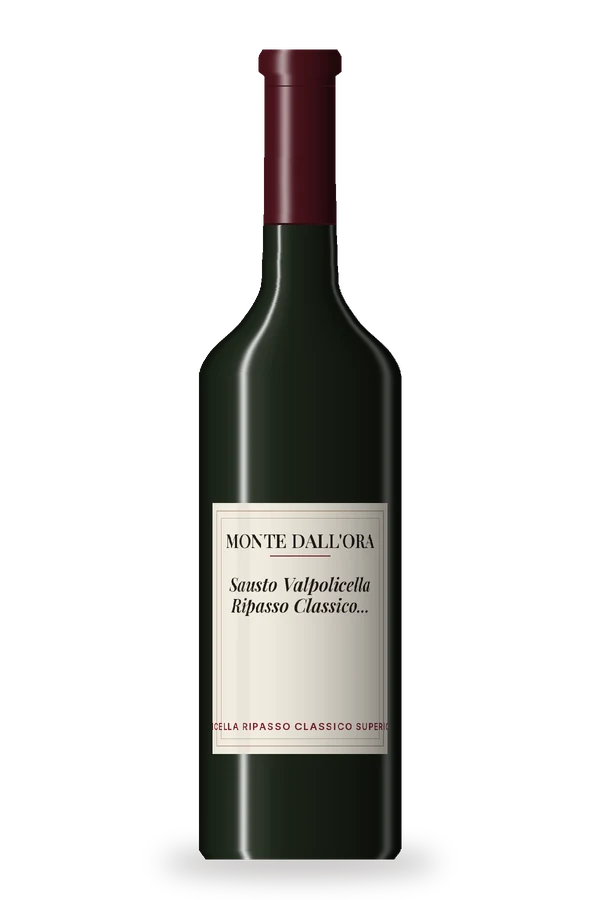
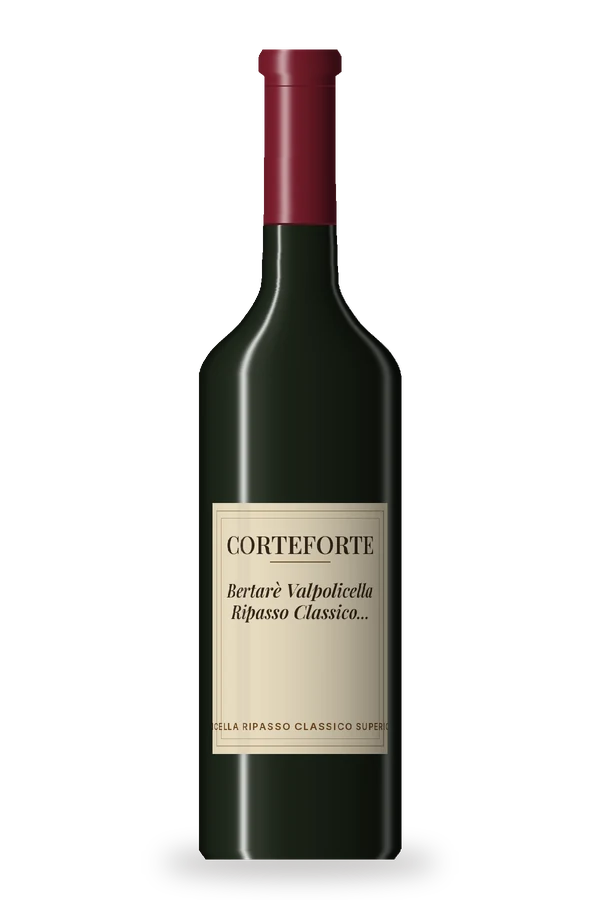
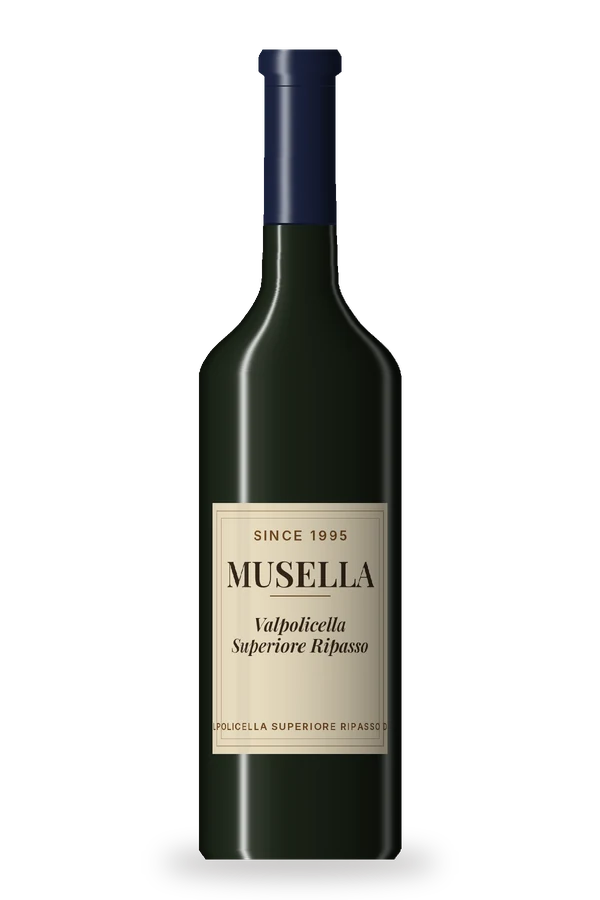
D'allevo has a harder rind and a savoury, slightly peppery paste. A Ripasso, refermented on the dried-grape pomace left from Amarone, is dry with more body than a young Valpolicella and less weight than Amarone, enough to meet that savoury bite.

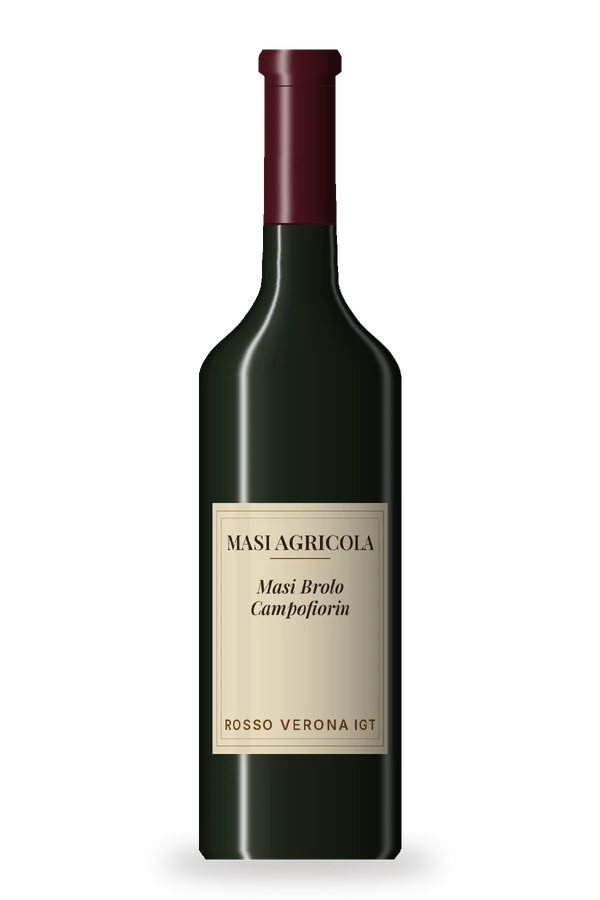
Bottles to try:
Monte Veronese with Valpolicella Classico and Valpolicella ★ 4.2

Our pick

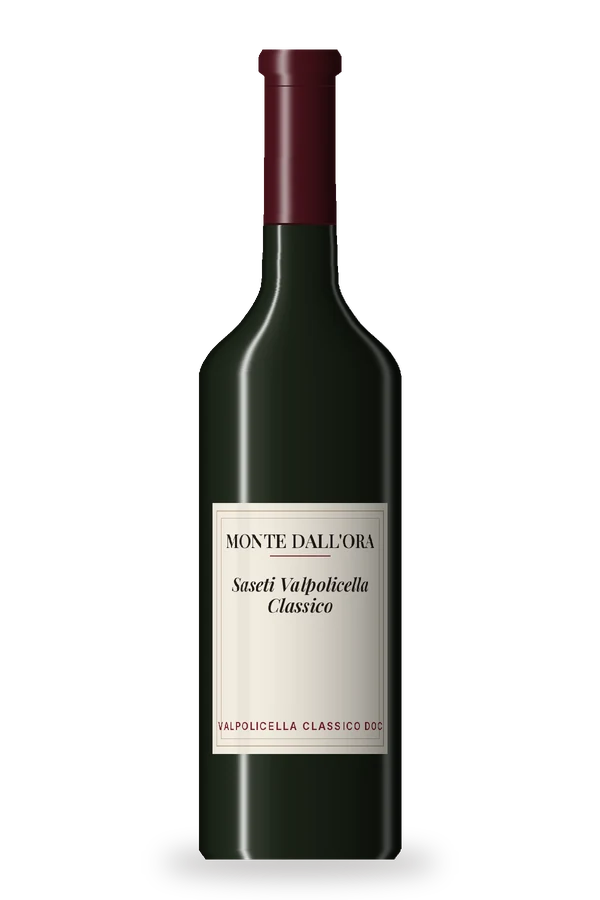
Young latte intero Monte Veronese is mild and faintly sweet, with a soft, elastic paste. A young Valpolicella, light in tannin and fresh, cleans the milky fat from the palate without any grip that would flatten such a gentle cheese.

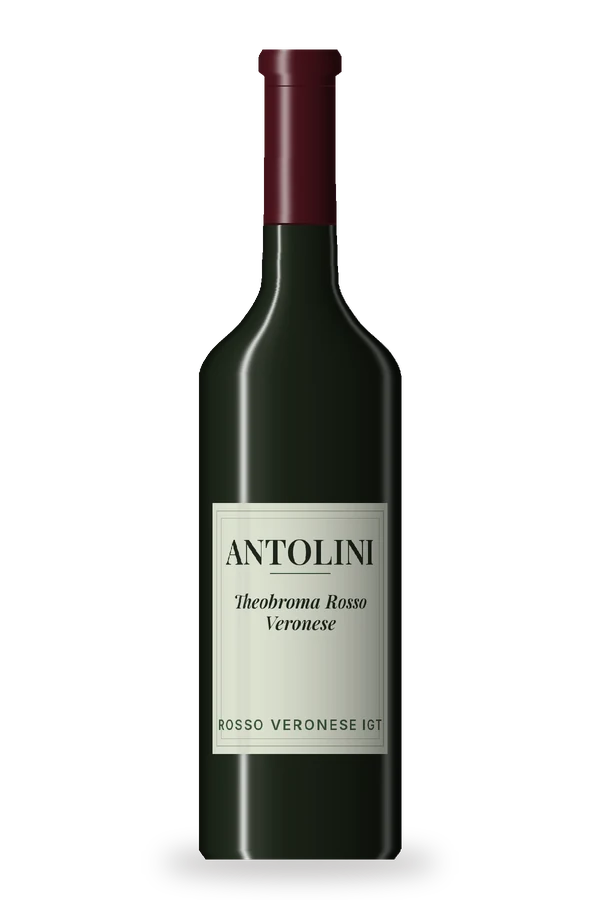
Bottles to try:
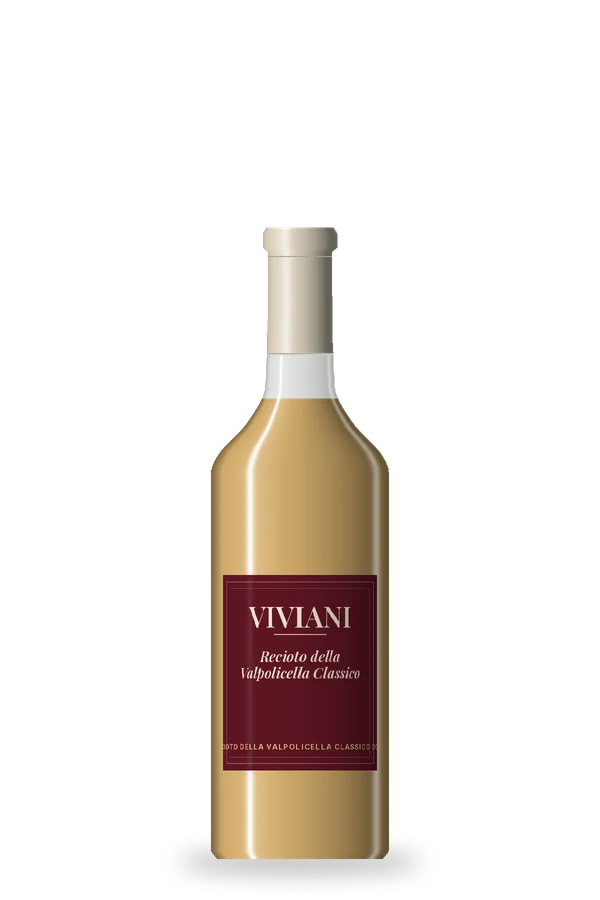
Grana Padano with Recioto della Valpolicella ★ 4.2

Our pick

Recioto is a sweet red from dried grapes. Against aged, granular Grana Padano the cheese's salt and savoury crunch play off the wine's sugar, a milder version of the sweet and salty contrast of Recioto with blue cheese.

Bottles to try:

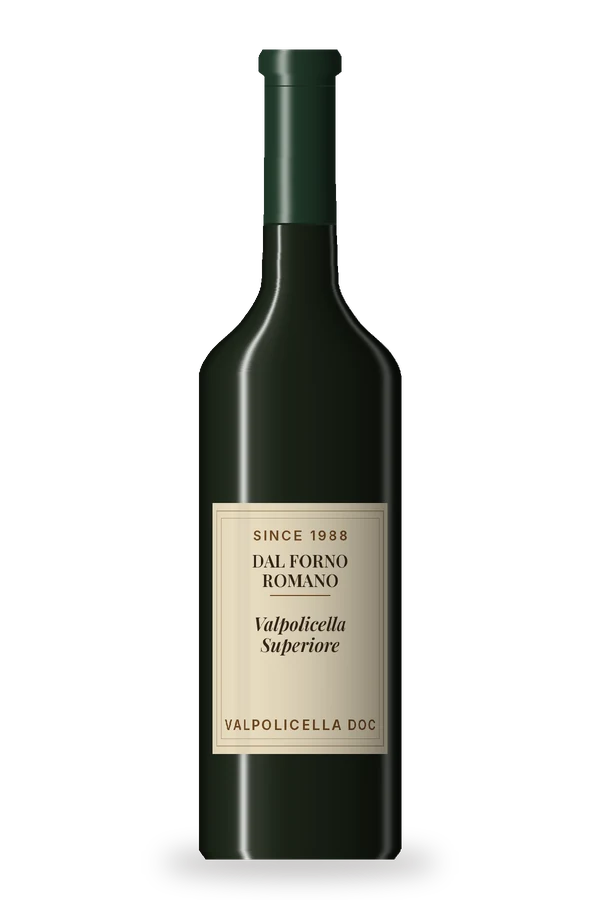
Grana Padano with Valpolicella Superiore ★ 4.0

Our pick

Grana Padano aged past a year is granular, savoury and salty. A dry Valpolicella Superiore has more body than a young Valpolicella and the acidity to cut the cheese's fat, while the salt in the paste brings the wine's fruit forward.

Bottles to try:
Every cheese of Valpolicella →

Book wine experiences in Valpolicella

See all 82 bookable experiences in Valpolicella

Wine & Cheese Pairings in Valpolicella, FAQ

What are the types of Monte Veronese?

Latte intero, from whole milk and sold from 25 days, and d'allevo, from partly skimmed milk and sold from 90 days. Italian Wikipedia splits d'allevo into mezzano (90 days to 6 months, blue label) and vecchio (over 6 months, black label); latte intero carries a light green label.

What wine does Qualigeo suggest with Monte Veronese?

Qualigeo's gastronomy note says d'allevo, the older and stronger type eaten at the end of a meal, goes well with slightly fruity red wines ("vini rossi leggermente fruttati").

Where can I taste Monte Veronese with Valpolicella wine?

Musella's cellar tastings at San Martino Buon Albergo serve its wines with Monte Veronese of different ageing, and the Moonlight Lessinia dinner on 25 October 2026 pours Musella wines with three ageings of Monte Veronese DOP.

When was Monte Veronese first protected?

Italy recognised Monte Veronese as a denominazione di origine by a decree of the President of the Council of Ministers of 9 April 1993 (Gazzetta Ufficiale no. 196, 21 August 1993), and the EU registered it as a DOP in 1996.

How can I recognise Monte Veronese di malga?

By the letter M branded on the heel of the wheel next to the DOP mark, according to Slow Food.

When is the milk collected?

The consortium says the milk comes only from cows on alpine pasture between May and October.

Which dairies make it?

Slow Food's presidium lists La Casara in Roncà, Caseificio Achille (Dalla Valentina) in Velo Veronese, Caseificio Artigiano Dario Gugole in San Giovanni Ilarione and Caseificio Gardoni in Roverè Veronese. Dalla Valentina, in the Lessinia hills north of Valpolicella, has a shop open to visitors.

When was Monte Veronese first protected?

Italy recognised Monte Veronese as a denominazione di origine by a decree of the President of the Council of Ministers of 9 April 1993 (Gazzetta Ufficiale no. 196, 21 August 1993), and the EU registered it as a DOP in 1996.

← Back to Valpolicella wine guide