Casearia San Panfilo
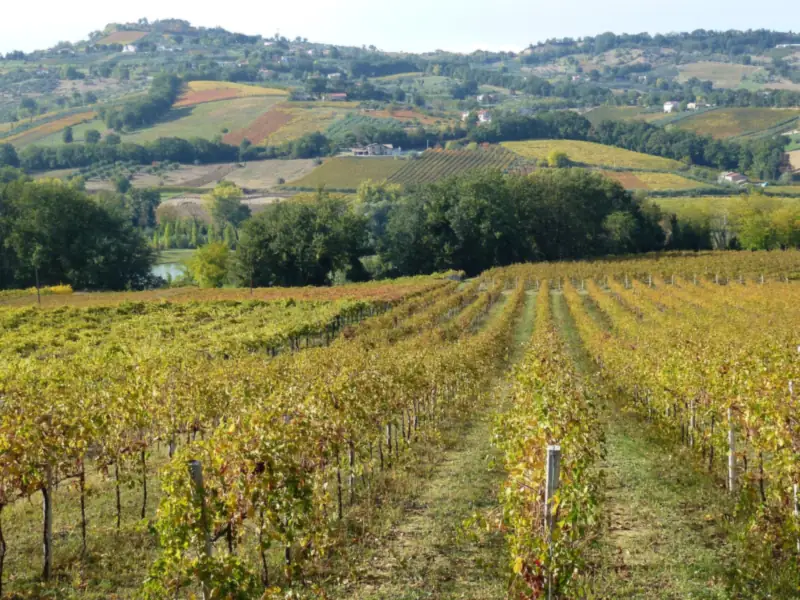
Sheep farm and dairy in the Tavo valley below the Gran Sasso, founded 2024 to continue the Martinelli farm. Makes raw-milk Pecorino di Farindola with pig rennet and sells it at the farm shop.

Cheese · Abruzzo
A semi-hard sheep's milk cheese from Farindola, Montebello di Bertona, Villa Celiera, Carpineto della Nora and Arsita in full, plus parts of Bisenti, Castelli, Penne and Civitella Casanova (provinces of Pescara and Teramo).
Sheep's-milk cheese from the eastern slope of the Gran Sasso, set with pig rennet, which the regional tourism board calls unique in Italy. Raw milk is curdled, the curd broken to grains of 0.5 to 2 cm and set in baskets whose imprint stripes the rind; wheels age on wooden boards and in wooden chests, rubbed with olive oil and vinegar. It is a Slow Food presidium and an Abruzzo traditional food product, not a DOP: the consortium's site says the DOP procedure is under way.
Made in: Farindola, Montebello di Bertona, Villa Celiera, Carpineto della Nora and Arsita in full, plus parts of Bisenti, Castelli, Penne and Civitella Casanova (provinces of Pescara and Teramo)
Grass and hay with a faint animal note, and lasting woodland and mushroom notes in long-aged wheels; only mildly piquant, per the consortium specification. Slow Food adds a granular, straw-yellow paste that stays slightly moist, with faintly musky scents of mushroom, noble mould and dry wood.
Rind: natural crust
Wine and cheese
An aged Farindola is mushroomy and hay-scented and only mildly piquant. A dry Montepulciano d'Abruzzo meets those woodland notes with its fruit, and the moist sheep's-milk paste softens the wine's tannin.
A younger, semi-aged Farindola has milk and grass flavours that suit a dry, high-acid white. The Pecorino grape's acidity lifts the paste; the grape and the cheese happen to share a name.
The grapes behind these winesMontepulcianoPecorino
From the source
Sheep farm and dairy in the Tavo valley below the Gran Sasso, founded 2024 to continue the Martinelli farm. Makes raw-milk Pecorino di Farindola with pig rennet and sells it at the farm shop.
The producers' consortium shop, opened 2001 in a basement of the renovated town hall. It sells Pecorino di Farindola from the member farms and also selects and ages the cheeses it sells.
A 69 km driving loop from Barisciano, published by the Gran Sasso park, through Santo Stefano di Sessanio, Castel del Monte and Calascio. The park suggests buying Canestrato at a farm shop in Castel del Monte and stopping at the Campo Imperatore cooperative's dairy on the way back.
Slow Food says the use of pig rennet is very old, and that a Vestini cheese made with pig rennet is already mentioned in Roman times. The regional tourism board calls it a case unique in Italy.
No. It is a Slow Food presidium and is on the Abruzzo list of traditional food products (PAT). The consortium's site says the procedure for the D.O.P. label is in progress.
The consortium's home page counts 12 producing farms. Slow Food says it is still made in very limited quantities, and that production is the prerogative of the women of the farm families, who hand the recipe down.
Same cheeseboard
Plan the trip
Tastings and tours where it is made, and somewhere to stay.
Booking links go to our partners (GetYourGuide, Viator, Zen Hotels), who may pay us a commission. It never decides what we cover. Editorial standards.
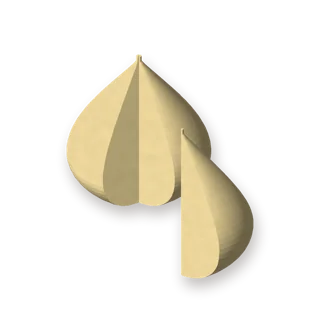
Sources: www.fondazioneslowfood.com, www.pecorinodifarindola.eu. The drawing is made from the cheese's recorded shape, rind and paste, not a photograph.