Queijo Serpa with Antão Vaz, dry white ★ 4.5
Our pick
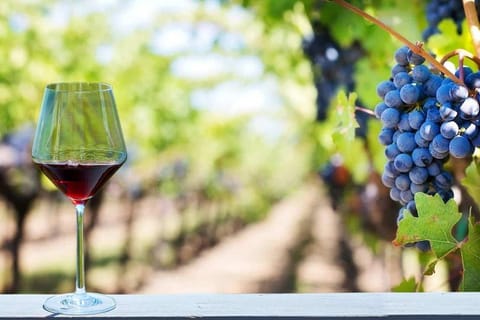
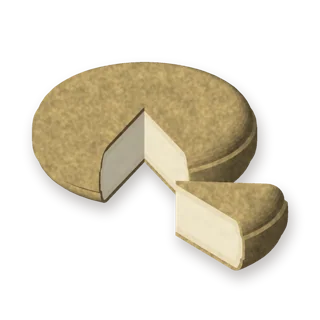
A young Serpa is buttery and mild, at most slightly picante. A dry white led by Antão Vaz, with or without a touch of oak, has the high acidity to cut through that butter and leaves the ewe's milk flavour clean on the finish.
Bottles to try:
Our pick
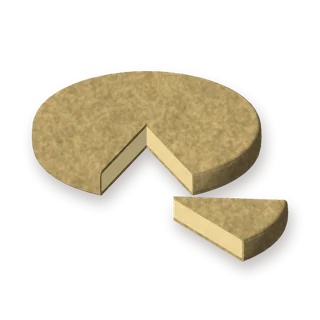
Past 180 days Serpa Velho is hard, dry and slightly brittle, with an intense, lingering flavour. A full-bodied, deeply coloured red led by Alicante Bouschet has the weight to meet it, and the aged ewe's milk fat rounds the wine's tannin.
Bottles to try:
Our pick
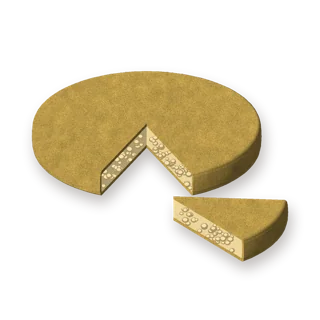
Portuguese Wikipedia says Évora cheese was once kept under olive oil in clay talhas. Reds fermented in talha share that clay and carry high acidity that echoes the cheese's slightly acid, picante paste; the lighter, younger bottles suit the semi-hard wheel.
Bottles to try:
Our pick
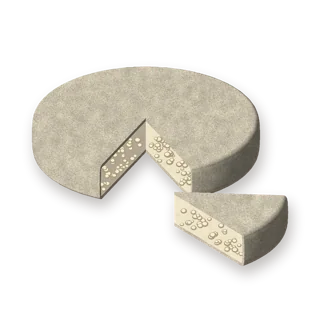
Nisa is a firm ewe's cheese, slightly acid and intensely aromatic, made in the same Portalegre district as these whites. Their high acidity meets the cheese's own and keeps the finish clean against the fat of the raw milk.
Bottles to try:
Queijo Serpa Velho with Full-bodied Touriga Nacional or Syrah red ★ 4.3
Our pick
Past 180 days Serpa Velho is hard, dry and intense, with a long finish. A full-bodied red led by Touriga Nacional or Syrah, firm in tannin and aged in French oak, has the weight to stand beside it, and the aged fat softens the grip.
Bottles to try:
Queijo Serpa with Aragonez and Trincadeira red ★ 4.2
Our pick
Serpa's buttery, mild paste softens the tannin of a dry red blend of Aragonez and Trincadeira. The lighter, briefly oaked bottles suit a young wheel; the full-bodied, oak-aged reservas want a cheese with more age to hold its own.
Bottles to try:

Our pick
Tolosa has a slightly picante finish and, in some dairies, a rind rubbed with paprika. A palhete, a field blend of red and white grapes kept on clay talha and then in used oak, brings acidity and little tannin, so the spice meets freshness, not grip.
Bottles to try:
Queijo de Évora with Unoaked Alentejo white blend ★ 4.2
Our pick
Évora is firm, slightly picante and acid. A dry Alentejo white blend made without oak, light to medium in body and fresh, keeps pace with the cheese's tang, and no wood stands between the wine and the ewe's milk.
Bottles to try:
Queijo Serpa Velho with Barrel-fermented or part-oaked dry white ★ 4.2
Our pick
Past 180 days Serpa Velho is hard, dry and intense, with a lingering flavour. A dry white fermented or aged wholly or partly in oak has the extra texture to stand beside it, and its acidity cuts the fat of the aged ewe's milk.
Bottles to try:
Queijo Serpa Velho with Full-bodied, oak-aged Aragonez-led red ★ 4.2
Our pick
Past 180 days Serpa Velho is hard, dry and slightly brittle, intense and lingering. A full-bodied red led by Aragonez, firm in tannin after oak ageing, has the weight to match it, and the fat of the aged ewe's milk softens the grip.
Bottles to try:
Queijo de Évora with Medium-bodied Alentejo red ★ 4.1
Our pick
Évora is a small, firm ewe's cheese, slightly picante and acid, more so in the hard paste. A medium-bodied Alentejo red with moderate tannin refreshes the mouth between slices without laying a heavy tannic coat over the cheese.
Bottles to try:
Our pick
Tolosa is semi-soft with a slightly picante finish. Antão Vaz whites fermented and aged in clay talha are medium in body with high acidity, so the acidity answers the spice and no oak gets between the wine and the paste.
Bottles to try:
Queijo Serpa with Traditional-method brut nature rosé ★ 4.1
Our pick
A young Serpa is buttery and mild. A traditional-method rosé with zero dosage and long lees ageing, medium in body and high in acidity, lifts the butter with its bubbles and leaves a dry, savoury finish.
Bottles to try:
Our pick
Nisa is firm and slightly acid with an intense aroma, and it is made in the same Portalegre district as these reds. Their structure, from medium to full, matches the firm paste, and the cheese's fat softens the tannin.
Bottles to try:
Our pick
A dry rosé made in stainless steel, light in body and high in acidity, sets off the supple, semi-soft paste of Tolosa and meets its slightly picante finish with freshness rather than tannin.
Bottles to try:
Our pick
Tolosa's semi-soft paste and slightly picante finish want a red with no grip. Moreto and Tinta Carvalha are light in body, low in tannin and made with minimal oak, so the wine stays fresh beside the spice instead of fighting it.
Bottles to try: