Banon with Cassis blanc ★ 4.3
Our pick
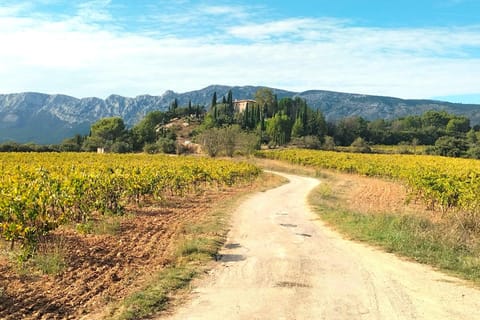
Banon's creamy paste under a cream-yellow rind is tangy, with a woody leaf note. A Cassis blanc raised in steel, with citrus, almond and high acidity, cuts the richness. INAO suggests a white from the cheese's own hills.
Bottles to try:
Banon with Palette blanc ★ 4.2
Our pick
A Palette blanc, mostly Clairette raised a year on its lees in old foudres, is full-bodied and waxy with fennel and salted-nut notes, enough weight for Banon's woody, creamy paste without sharp acidity.
Bottles to try:
Our pick
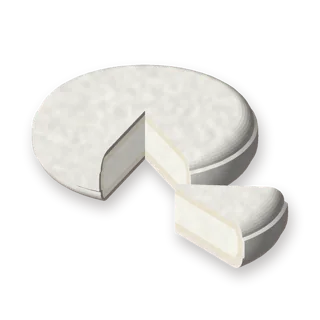
The sommelier quoted on French Wikipedia, Emmanuel Delmas, says goat's cheese suits a fresh, expressive white with long acidity. Cassis blanc has it: high acidity, citrus and almond against the tomme's walnut, spice and creamy paste.
Bottles to try:

Brousse du Rove with Pale, light-bodied Provence rosé (Côtes de Provence or IGP Méditerranée) ★ 4.2
Our pick
Fresh brousse is tender, creamy and mild, so a light rosé is enough. A pale, light-bodied Provence rosé made in steel, with citrus and red fruit over high acidity, refreshes it. Androuet lists rosé de Provence for this cheese.
Bottles to try:

Poivre d'âne with Pale, light-bodied Provence rosé (Côtes de Provence or IGP Méditerranée) ★ 4.2
Our pick
Poivre d'âne is sweet and fragrant, with a fine, tight paste and a coat of dried herbs. A pale, light-bodied rosé with citrus and red fruit refreshes without covering the winter savory. Androuet lists rosé de Provence for it.
Bottles to try:
Our pick
A Bandol rosé, led by Mourvèdre, has a savoury edge of herbs or white pepper that echoes the cheese's dried-herb coat, and its high acidity and medium body suit the fine, tight paste better than a lighter rosé.
Bottles to try:
Banon with Côtes de Provence rosé fermented partly in old oak ★ 4.2
Our pick
Banon is creamy and unctuous under its chestnut leaves, with more weight than a fresh goat's cheese. A Côtes de Provence rosé partly fermented in old oak gains body and texture, and its high acidity keeps the tangy paste lively.
Bottles to try:
Poivre d'âne with Bellet rouge (Folle Noire) ★ 4.2
Our pick
Poivre d'âne is sweet and fragrant under its coat of winter savory. A medium-bodied Bellet red, led by Folle Noire and raised in old oak, brings plum, iron and a salty note that sit with the herbs without the weight of a Bandol.
Bottles to try:
Tomme de Provence with Côtes de Provence or Coteaux Varois rosé, medium-bodied, made in steel ★ 4.1
Our pick
A medium-bodied Provence rosé, fermented mostly in steel, has red currant, citrus and high acidity. The acidity meets the tomme's touch of tang, and the body leaves the creamy paste and its walnut and spice notes alone.
Bottles to try:

Our pick
Androuet quotes Larousse saying Camargue ewe's fresh cheeses are seasoned with thyme and bay. An Alpilles white raised in old oak, concrete or steel brings fennel, dried apricot and a saline edge that echo the herbs and freshen the paste.
Bottles to try:
Our pick
Brousse is a tender, mild fresh cheese with a faint lactic note. A direct-press Cassis rosé, built on Grenache and Cinsault, medium-bodied with high acidity and a salty finish, lifts the cream without weight.
Bottles to try:
Tomme de Provence with Provence white partly fermented or aged in old oak ★ 4.1
Our pick
Tomme de Provence is creamy, with walnut and spice and a touch of acidity. A Provence white with part of the wine raised in old oak gains texture without vanilla, and its saline finish and fennel or almond notes sit beside the walnut.
Bottles to try:
Our pick
Brousse is an unripened cheese with a faint lactic note and little weight to it. A Cassis blanc raised in steel adds lift rather than body with its citrus and wet-stone acidity, and its salty edge sets off the mild cream.
Bottles to try:
Tomme d'Arles with Les Baux-de-Provence or Coteaux d'Aix-en-Provence rosé ★ 4.0
Our pick
Tomme d'Arles is a fresh sheep's cheese, melting and delicate. A pale rosé from Les Baux or the Coteaux d'Aix, with pink grapefruit and watermelon over high acidity, refreshes without hiding the sheep's milk. Androuet lists Provence rosé among its wines.
Bottles to try:
Tomme de Provence with Medium-bodied Provence red raised mainly in concrete ★ 4.0
Our pick
Tomme de Provence is medium in strength, with walnut and spice and a touch of acidity. A medium-bodied Provence red raised mainly in concrete, with plum, wild herbs and moderate tannin, picks up the spice without weighing on the creamy paste.
Bottles to try:
Banon with Bellet blanc ★ 3.9
Our pick
Bellet blanc is Rolle-led, with lemon, almond paste and a saline edge, light enough not to swamp Banon's soft paste while its acidity lifts the cream. INAO advises a white with this cheese.
Bottles to try:

Cachat with Bandol rosé ★ 3.8
Our pick
Cachat is a salty, peppery, garlicky paste with a long finish, so it needs acidity more than tannin. A Bandol rosé has high acidity, a savoury, saline finish and low tannin, so nothing turns bitter against the cheese.
Bottles to try: