

Tokaji Sajt
Cheese maker and shop on Petőfi út in Tokaj; its Facebook page shows it smoking cheeses and selling parenyica, ostorszíj and görcs, and it ran cheese-making afternoons in 2025.

Cheese · Tokaj, Eger
Also labelled Parenyica (Slovak: parenica)
A stretched curd cow and sheep's milk cheese from Slovakia; in the Tokaj area made at Tokaji Sajt in Tokaj.
A steamed cheese from Slovakia. Sour curd is cut into thin strips, kneaded in warm water, pulled into a ribbon, folded, brined and wound into a spiral roll, then dried and lightly smoked in cold smoke. It was first made from pure non-pasteurised sheep's milk in the 1800s; modern versions also use cow's milk or a mix. The EU registered Slovenská parenica as a Slovak PGI in 2008; in Tokaj the cheesemaker Tokaji Sajt, on its Facebook page, shows parenyica among its smoked cheeses and a parenyica parcel filled with cheese cream.
Made in: Slovakia; in the Tokaj area made at Tokaji Sajt in Tokaj
Slovak Wikipedia gives it a very delicate taste and a cream to cheese-yellow colour, the surface golden-yellow to yellow-brown after smoking; English Wikipedia calls it semi-firm. Smoked, unsmoked and flavoured versions are made.
Rind: none, eaten fresh
Wine and cheese
Parenyica is lightly smoked and, per the HÍR collection, pleasantly salty; the high acidity of an unoaked or lightly oaked dry Furmint refreshes the palate between bites and keeps the smoke from lingering.
Sweet Szamorodni is aged in oak and keeps a high acidity; its oxidative or nutty warmth meets the smoke of a salty parenyica roll, and its sweetness softens the salt.
The HÍR collection describes parenyica as ham-like, lightly smoked, full and pleasantly salty. A dry Furmint aged in oak barrels keeps a high acidity that cuts the salt, and its time in oak suits the smoke.
Dry Szamorodni is oxidative and nutty, a different register from dry Furmint; that nuttiness can sit alongside a smoked parenyica roll without covering the milder cheese.
Parenyica is smoked, salty and ham-like, and the HÍR collection calls red wine an excellent companion to it. A Kékfrankos-led Egri Bikavér Superior brings medium body and high acidity to cut the salt and stand up to the smoke.
The HÍR collection calls red wine an excellent companion to parenyica, without naming a grape. A light, low-tannin Kadarka or a medium-bodied Kékfrankos, both high in acidity, meets its smoke and salt.
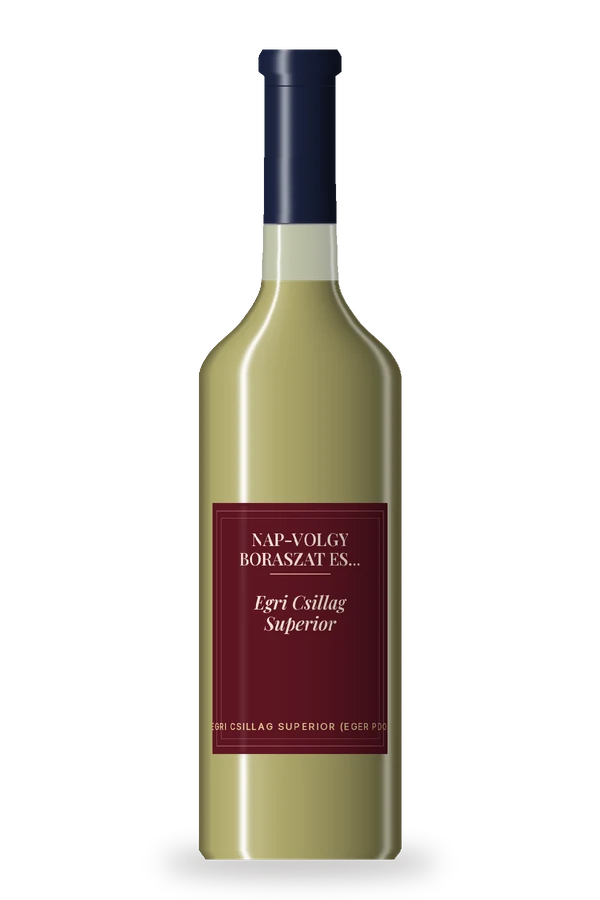
Smoked, salty parenyica has more weight than a fresh cheese, so it takes a medium-bodied white. The Leányka, Hárslevelű and Olaszrizling blend of a Superior or Grand Superior Egri Csillag has medium acidity and a medium finish to match.
The grapes behind these winesFurmintKekfrankosLeanykaKadarka
From the source
Cheese maker and shop on Petőfi út in Tokaj; its Facebook page shows it smoking cheeses and selling parenyica, ostorszíj and görcs, and it ran cheese-making afternoons in 2025.
Cheese-making afternoons at the Tokaji Sajt shop in Tokaj, an indoor programme for families and friends; the 2025 run was six Saturdays from late April to early September.
Five programmes at the Mónosbél dairy: four 1 to 2 hour tastings of Bükk cow's milk cheeses with wine, two adding sheep and goat cheese, and a 5 to 6 hour estate and pasture visit.
Four of the Tóth Ferenc winery's wines with four matched cheeses and the reasoning behind each pairing, booked ahead in Eger for groups of four or more.
The Mád cheese workshop hosts tastings of its cheeses for groups of 10 to 30 people; groups arrange a date with the workshop in advance.
Eger's market hall on Katona István tér has dairy stalls Monday to Saturday. A producers' and crafts market is held there on the second Saturday of each month; the April 2025 edition listed cheesemakers.
No. Slovenská parenica is a protected geographical indication for cheese made in Slovakia, entered in the EU register on 11 July 2008. Tokaji Sajt in Tokaj sells its own cheese as parenyica.
The Hungarian HÍR collection of traditional foods says it was once made from raw sheep's milk and is now made mostly from cow's milk. Hungarian Wikipedia, describing the Slovak cheese, says the sheep's milk share must be at least 50 percent.
The HÍR collection gives about 0.3 kg for a roll 7 to 8 cm across, wound from a ribbon 6 to 7 cm wide. Slovak and English Wikipedia give about 100 g for a typical Slovak roll.
Same cheeseboard
Plan the trip
Tastings and tours where it is made, and somewhere to stay.
Booking links go to our partners (GetYourGuide, Viator, Zen Hotels), who may pay us a commission. It never decides what we cover. Editorial standards.
Sources: en.wikipedia.org, www.facebook.com. The drawing is made from the cheese's recorded shape, rind and paste, not a photograph.