Dipasquale Formaggi, Casa del Formaggio S. Anna
Family cheese shop that grew from a 1950s shop in central Ragusa, where Carmelo Dipasquale selected and aged cheeses in natural caves. Now on Corso Italia, with oil, wine and cured meats.

Cheese · Sicily
Also labelled Caciocavallo di Godrano
A stretched curd cow's milk cheese from Godrano, the Corleone area and neighbouring parts of the province of Palermo.
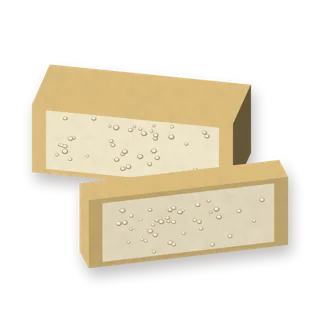
A stretched-curd cow's milk cheese named for Godrano, a village in the Palermo area, and also made around Corleone. Italian Wikipedia lists it as a traditional agri-food product (PAT), not a protected name, and says its milk comes mostly from the native Cinisara cows that graze freely on hills and woods; Slow Food names it among the cheeses made from that breed's milk. A document of March 1412 already tells it apart from cow and sheep cheeses. It is a squared block of about 10 kg, hung astride a pole to drain for 18 to 20 hours, with a thin smooth amber rind and a straw-yellow paste.
Made in: Godrano, the Corleone area and neighbouring parts of the province of Palermo
Fragrant, with a smell that changes with age and a piquant flavour, per Italian Wikipedia; the compact, tough paste flakes in older cheeses. Slow Food credits the Cinisara cows' wild-herb diet with notes of citrus, sage and hay in the milk.
Rind: natural crust
Wine and cheese
A caciocavallo aged towards six months is piquant, with a compact paste that flakes. Nero d'Avola-led reds bring dark fruit, tannin and acidity to carry that sharpness, and the weight to meet a wheel kept long enough to grate.
Dry Marsala Vergine is full-bodied and oxidative, with walnut, hazelnut and dried fig and no sweetness. It sets that nuttiness against the piquant, flaky paste of an older caciocavallo, a savoury rather than sweet pairing.
Slow Food credits the Cinisara cows' pasture with citrus, sage and hay notes in the milk. A fresh Sicilian white blend, citrus and stone fruit with high acidity, matches those notes and cleans the palate.
The grapes behind these winesNero d'AvolaInzoliaGrilloCatarrattoGrecanico
From the source
Family cheese shop that grew from a 1950s shop in central Ragusa, where Carmelo Dipasquale selected and aged cheeses in natural caves. Now on Corso Italia, with oil, wine and cured meats.
Second Dipasquale shop, opened in 2007 on the coast at Marina di Ragusa, alongside the Corso Italia shop.
Guided visit of an organic sheep farm and dairy, ending with a tasting of its DOP cheeses, fresh zabbinata and ricotta desserts. Bookings go through the farm's contact page.
Four-day cheese event in the streets of Ragusa Ibla built around Ragusano DOP: tastings, live cheesemaking, themed restaurant menus and guided visits of historic palaces. The second edition was held 23 to 26 July 2026.
Ragusa's agricultural and livestock fair. The 51st edition, held in September 2026, included a Ragusano DOP consortium workshop, wheel marking and a best-wheel contest. In 2025 it moved to a new site on via Prof. Vincenzo Malfitano.
Carnival game in Novara di Sicilia: teams of throwers send a whole aged Maiorchino wheel, wound with a cord, rolling down the town's main street. Slow Food says Basicò keeps the custom too.
Italian Wikipedia lists it as a traditional agri-food product (PAT), not a DOP or IGP.
Cow's milk, mostly from the native Cinisara breed, which Slow Food describes as black, rustic and adapted to the dry stony ground of the Sicani, Madonie and Nebrodi mountains.
Italian Wikipedia says it can be eaten fresh after a couple of weeks or aged about six months, when it is grated over dishes.
Same cheeseboard
Plan the trip
Tastings and tours where it is made, and somewhere to stay.
Booking links go to our partners (GetYourGuide, Viator, Zen Hotels), who may pay us a commission. It never decides what we cover. Editorial standards.
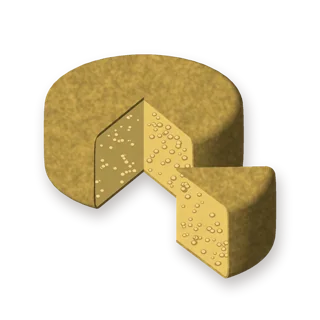
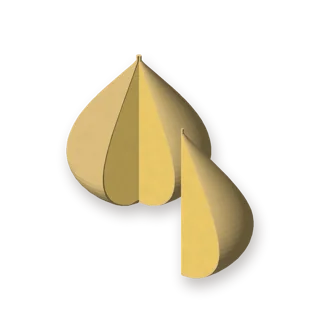
Sources: it.wikipedia.org, www.fondazioneslowfood.com. The drawing is made from the cheese's recorded shape, rind and paste, not a photograph.