


Bio-Hofkäserei Roser
Bioland family farm in the Black Forest foothills above the Breisgau. Part of the milk becomes mountain-style cheese, fresh cheese and quark, sold in the farm shop and at three weekly markets.

Cheese · Baden, Alsace, Pfalz
Also labelled Bibbeliskäs
from Baden (Bibbeleskäs in the south, weißer Käs in the north) and across the Rhine in Alsace.
Quark worked with chives, salt and pepper and a little milk and cream, sometimes with onion, shallot or garlic. German Wikipedia calls the name an Alemannic word for quark, leaves its origin open (Bibbeli means a small lump, and also a chick) and says the herb version is widespread in Baden and neighbouring Alsace, served with potatoes or farmhouse bread, often in the warm season. The old base was a dry, crumbly sour-milk white cheese such as the Hofsgrunder Käsle, now rarely sold in Germany. Bio-Hofkäserei Roser in Freiamt sells its Bibiliskäs in the farm shop on Wednesday mornings.
Made in: Baden (Bibbeleskäs in the south, weißer Käs in the north) and across the Rhine in Alsace
Fresh and lightly sour from the curd, sharpened by chives and pepper. German Wikipedia calls it a low-fat dish that still brings protein and carbohydrates, with a pleasantly refreshing character.
Rind: none, eaten fresh
Wine and cheese
The German Wine Institute calls Gutedel mild and says fine Gutedel suits light cooking and delicate cheeses. A dry, mild Gutedel leaves the chives, pepper and light sourness of a fresh herb quark in front, as the dish needs nothing heavier.
Bibeleskäs is eaten mostly in the warm season, fresh and lightly sour with chives and pepper. A well-chilled dry Spätburgunder rosé, light in body and fresh, suits that setting without overpowering the curd.
Dry Auxerrois, unoaked and medium-bodied with moderate acidity, is a mild white that leaves the fresh herb quark in charge: its soft fruit sits beside the chives, pepper and light sourness of the curd without covering them.
Garlic, shallot and chives in a cold fresh cheese call for a dry white with gentle fruit and fresh acidity. Pinot Blanc keeps the herbs and the boiled potatoes in front rather than competing with them.
A light skin-contact blend of Pinot grapes and Gewurztraminer, low in tannin with medium acidity. Its gentle grip cuts the cream of a cold fresh cheese of garlic and chives without burying the herbs.
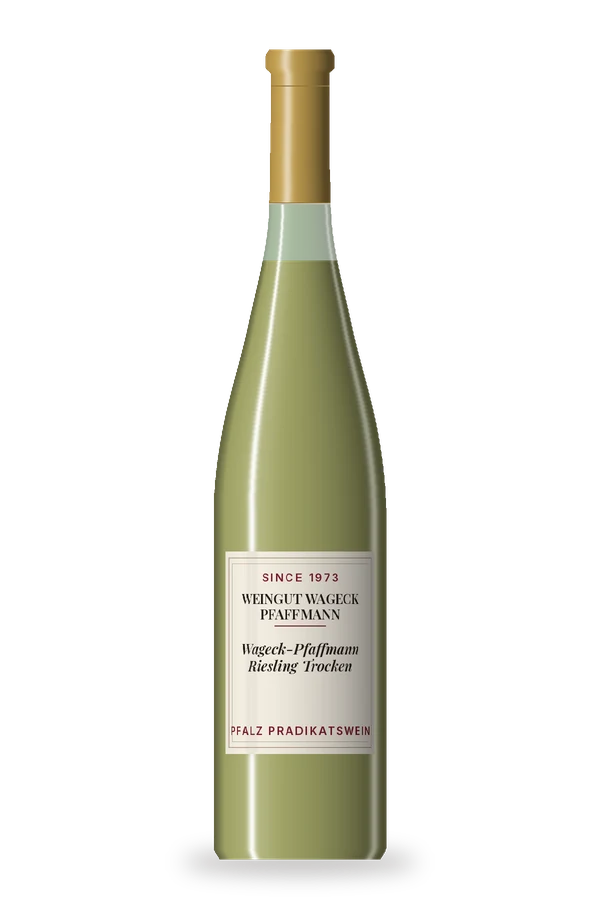
Quark with chives and cream, eaten in the Pfalz with jacket potatoes, is fresh and creamy. A dry Riesling of medium body and high acidity cleans the palate between bites and leaves the chives in front.
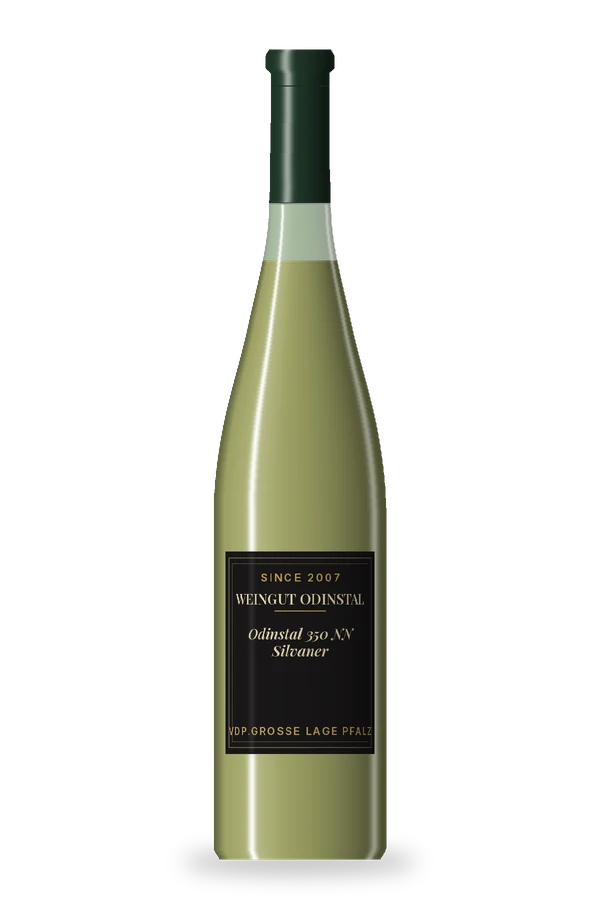
The German Wine Institute describes Silvaner's scent as recalling herbs or gooseberries, which echoes the chives in the curd. A dry, unoaked Silvaner with moderate acidity stays fresh beside the lightly sour quark.
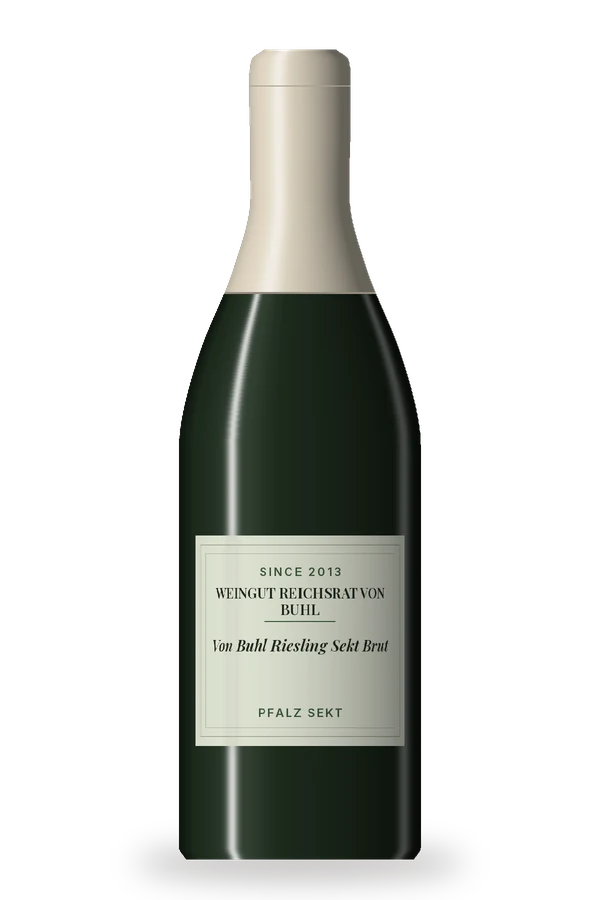
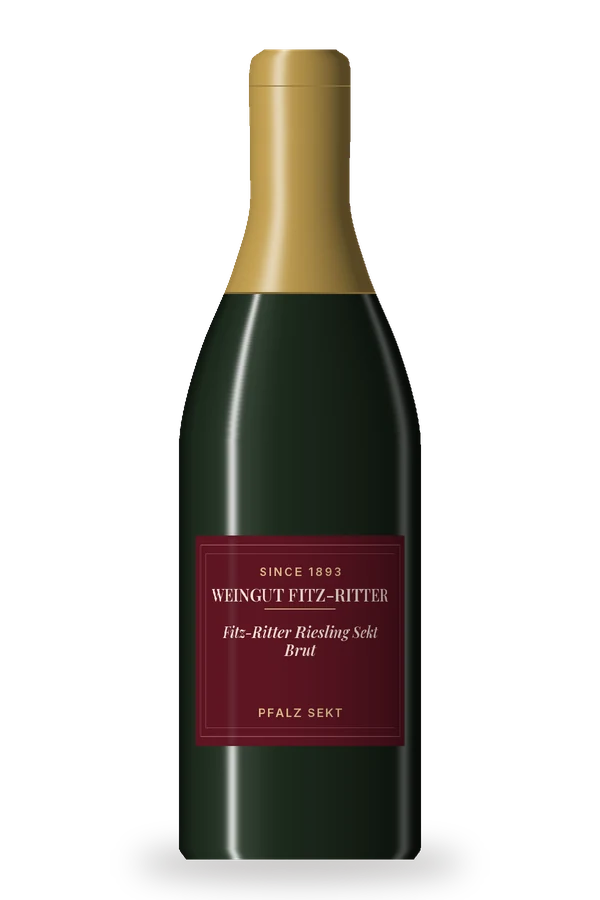
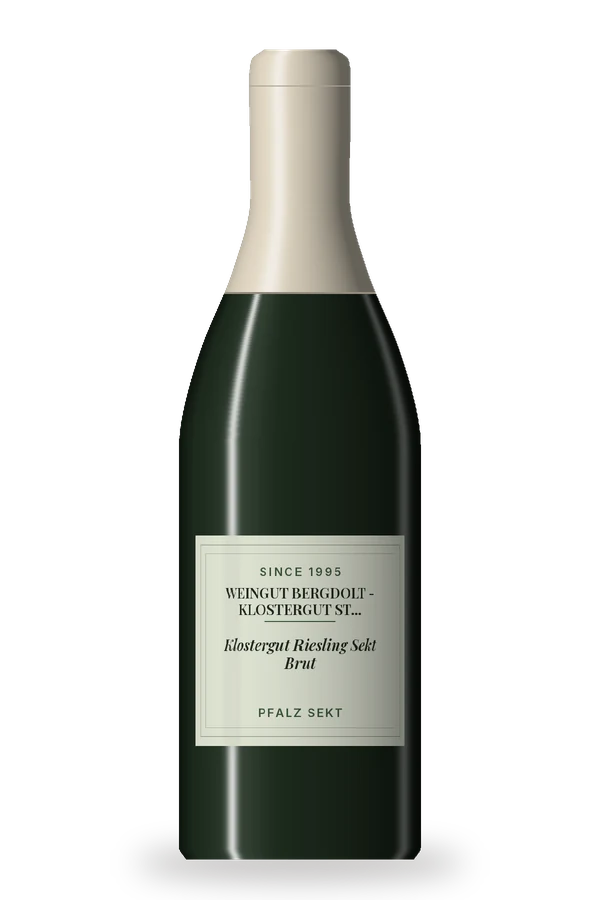
Chive quark with jacket potatoes is soft and creamy. A dry traditional-method Pfalz Sekt of medium body and high acidity cuts through it with its bubbles and keeps the dish fresh.
Chive quark with potatoes is cool and herbal. A dry Silvaner of medium body and high acidity, with herb, white pepper and mineral notes, echoes the herbs and keeps the quark fresh.
A dry Alsace blend of several white grapes, fresh and fruity rather than weighty. Its acidity cuts the cream in a herby fromage blanc eaten cold with potatoes boiled in their skins.
The grapes behind these winesRieslingGutedelSpaetburgunder (Pinot Noir)Pinot BlancAuxerroisSilvaner
From the source
Bioland family farm in the Black Forest foothills above the Breisgau. Part of the milk becomes mountain-style cheese, fresh cheese and quark, sold in the farm shop and at three weekly markets.
Cheese stall on the north side of the Münster, run by Eva Hohlfeld since 2021 and on the square since 1993, with Black Forest farm cheeses and Allgäu Bergkäse.
Fromagerie in central Strasbourg run by Christelle and Cyrille Lorho, both Meilleurs Ouvriers de France fromagers. About 250 cheeses, matured in their Vosges caves, plus cheese boards and raclettes.
Colmar shop of a family affineur founded in 1981, with ageing caves at Buhl. More than 400 cheeses, custom boards, and a stand in the covered market.
Strasbourg fromagerie trading under the Fromagerie Tourrette name: over 200 cheeses matured in its own cellars, custom platters, wines and groceries, with the La Cloche à Fromage restaurant a few steps away.
Market round Freiburg's cathedral with about 130 stalls, Monday to Saturday mornings. Cheese stalls include Alles Käs', the Ringlihof goat dairy from Horben, and Italian and French specialists.
Self-guided visit of about 1h30 with films, exhibitions, the cowshed and the stages of making Munster, ending with a commented tasting of three cheeses (Siaskass, Munster, Barikass). Shop and restaurant on site; visits run in timed slots, best booked online.
Volksfest in the Maiblumenwald at Lustadt, founded in 1925 around Handkäse, with Handkeesbrot, Weinschorle and Bellheimer beer. The 2026 edition was held from Friday 1 to Sunday 3 May.
Evening tour of the Demeter farm and its cowshed, then cheesemaster Stephan Ryffel shows how the milk becomes each cheese, with a tasting. Listed for Thursday 8 October 2026; register through Linzgau Tourismus.
Hands-on course with cheesemaker Barbara Kuhn: stir, cut and scoop the curd, finish a soft cheese with herbs and take it home, tasting her cheeses as you work. Autumn 2026 dates run from 7 October to 28 November.
Cheese route established in 1968, about 90 km from the Maison du Fromage in Gunsbach by the D417 to the Col de la Schlucht, along the Route des Crêtes, then down by Le Schnepfenried. Farm-inns on the high pastures serve mountain meals with Munster.
According to German Wikipedia it is an Alemannic word for quark, and the herb version is widespread in Baden and neighbouring Alsace.
German Wikipedia says it is served mostly with potatoes (boiled, baked, fried or as rösti) or with fresh farmhouse bread.
German Wikipedia's Baden cooking article says south Baden calls it Bibbeleskäs and north Baden calls it weißer Käs; its Bibeleskäs article adds that Württemberg says Luggeleskäs.
Same cheeseboard
Plan the trip
Tastings and tours where it is made, and somewhere to stay.
Organic wine discovery tour with tasting at the Mohr-Gutting organic winery (Palatinate)
All 6 experiences in PfalzBooking links go to our partners (GetYourGuide, Viator, Zen Hotels), who may pay us a commission. It never decides what we cover. Editorial standards.
Sources: de.wikipedia.org, www.bio-hofkaeserei-roser.de. The drawing is made from the cheese's recorded shape, rind and paste, not a photograph.
Baden wine guide → Alsace wine guide → Pfalz wine guide → Every cheese →