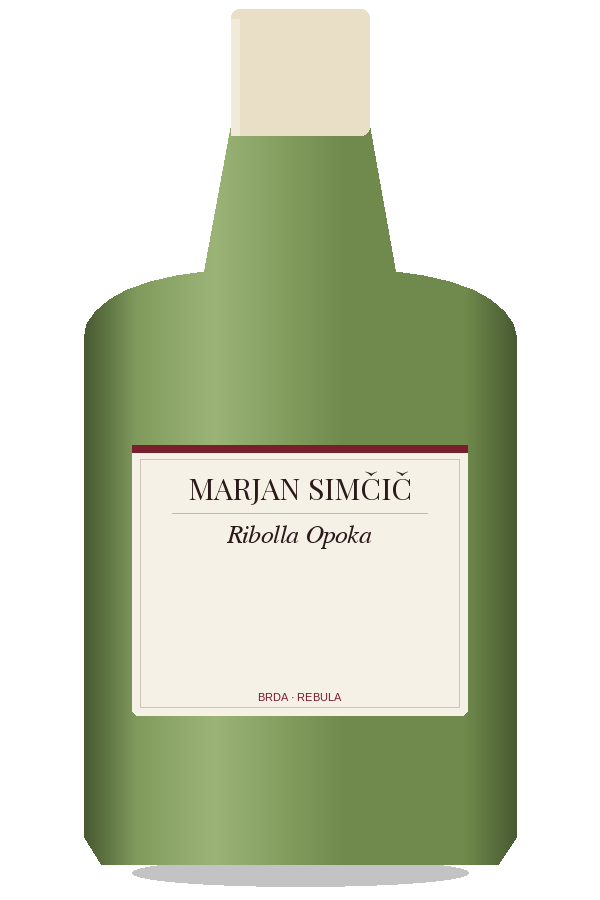
Ribolla Opoka
Producer: Marjan Simcic
Single vineyard Rebula from the Medana Jama plot on opoka marl, vines between 40 and 96 years old. Worth the detour for what Brda's own soil does to the grape.

Rebula, opoka marl terraces and the Slovenian half of Collio
Forty-odd villages between the Soča and the Italian border, a cooperative that farms 1,400 hectares for 400 families, and a cluster of small estates that made Rebula and long maceration their signature.
Every vineyard, tasting room, wine bar and cellar we cover in Brda, pinned. Click a pin for the page.
The iconic bottles that define Brda.
Producer: Marjan Simcic
Single vineyard Rebula from the Medana Jama plot on opoka marl, vines between 40 and 96 years old. Worth the detour for what Brda's own soil does to the grape.
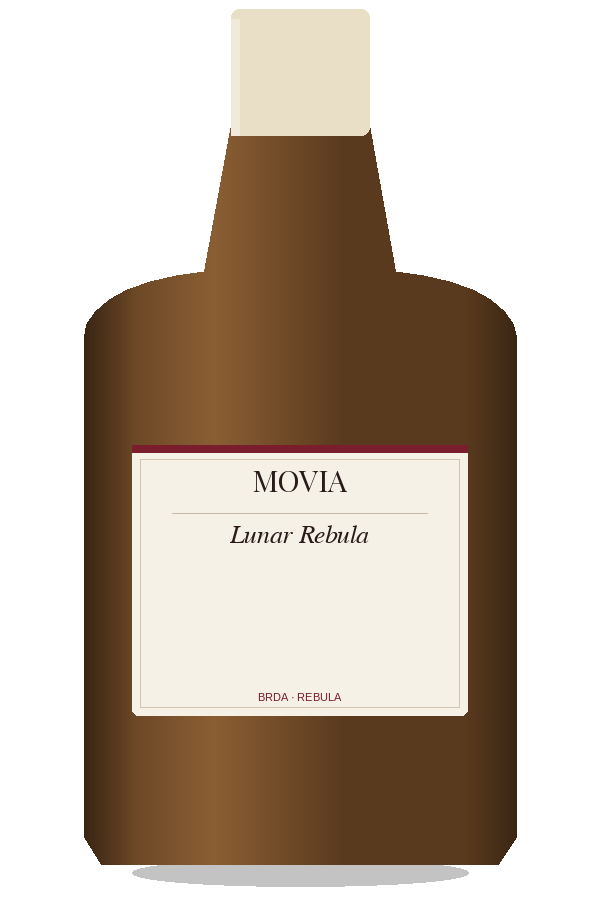
Producer: Movia
Eight months on the skins, eight months in 1,000 litre ovals, bottled unfiltered on its lees in one litre bottles. Rebula pushed as far as skin contact takes it.
Price: EUR 45 to 50 at the Movia online shop
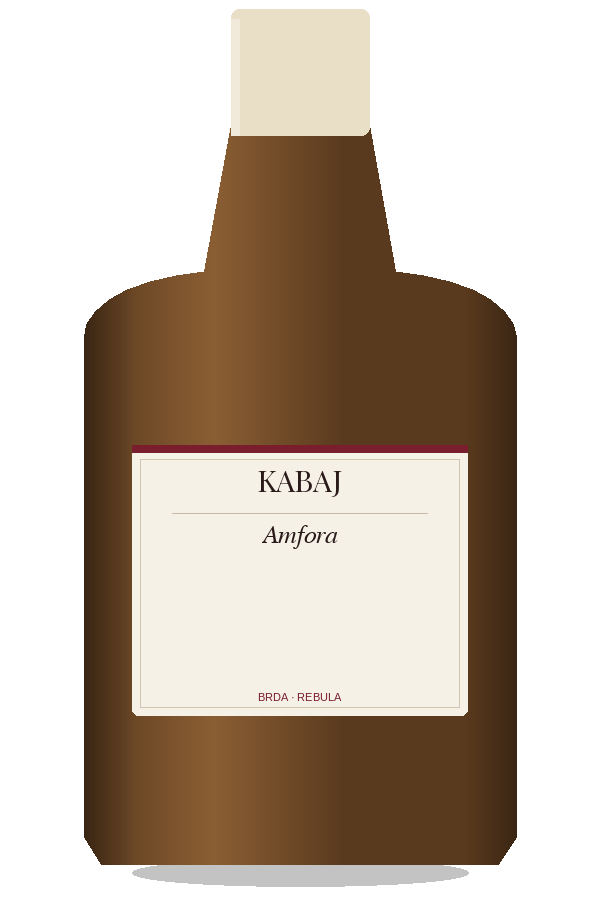
Producer: Kabaj
Twelve months on the skins in Georgian qvevri buried in the floor, then two years in French barrique and five more in bottle before release. Brda's qvevri wine.
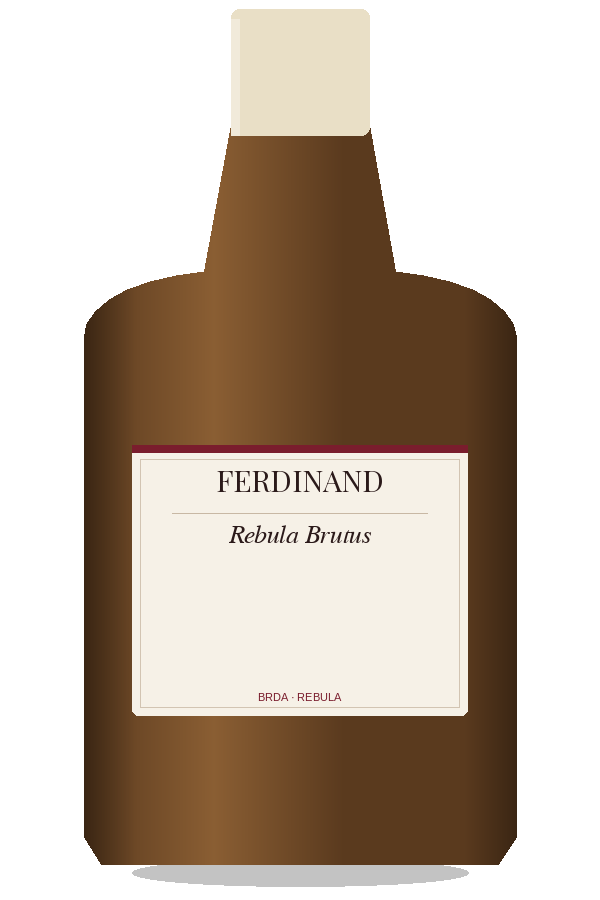
Producer: Ferdinand
Spontaneously fermented and left on the skins in cask for a full year, then another year in wood and bottled unfiltered. The natural end of the Rebula range here.
Price: EUR 39 at the Ferdinand online shop
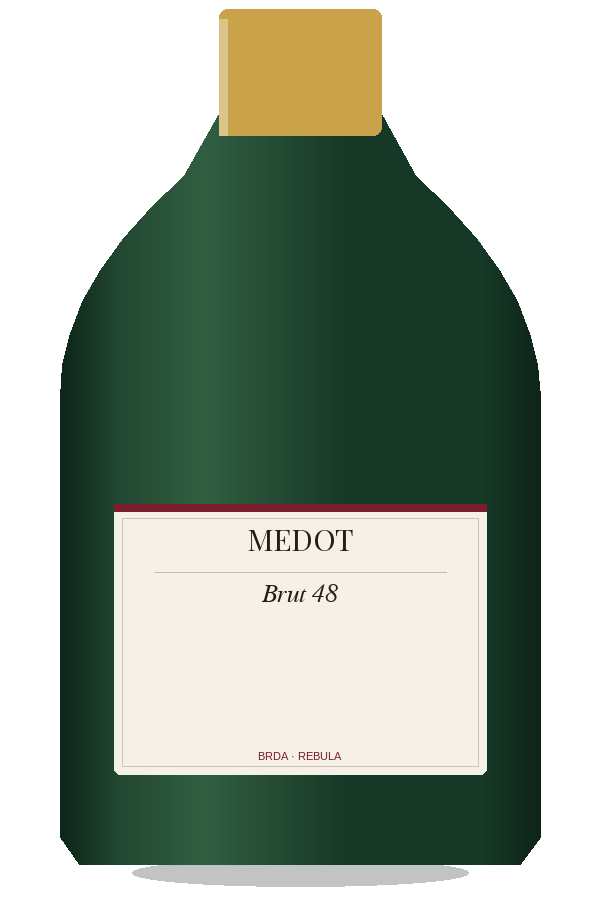
Producer: Medot
Rebula-led traditional method sparkling, 60 percent Rebula with Pinot Noir and Chardonnay, at least four years on the lees. Shows the grape in its third register.
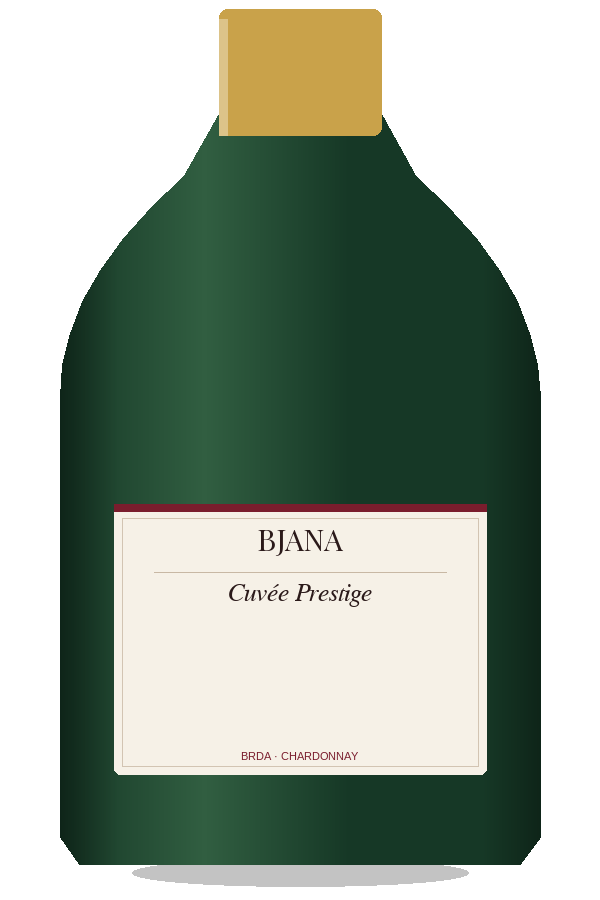
Producer: Bjana
Biljana's long aged cuvee, 42 to 54 months on the lees with a third of the base wine raised in used French oak and no malolactic. Dosage 3 g per litre.
A handful of the estates we send friends to when they are in Brda.
Kristančič family cellar at Ceglo with 25 hectares of vineyard straddling the Slovenian and Italian border, organic certified since 2004, fermented without added yeast and bottled unfiltered.
Fifth-generation cellar above Medana working cru parcels the family has held since 1860. Marjan Simčič made his first vintage in 1988 and added the Opoka single-vineyard line in 2008.
Family cellar at Vipolže that began bottling in 1989 with 3,000 bottles and now fills about 60,000. Three tiers run Klasik, Lex and Kolos, plus single-vineyard wines from Kozana and Fojana.
Plešivo cellar the Ščurek family traces to 1823, with a tasting room hung as a picture gallery. The range runs from the Rebula-based Up to the Stara Brajda old-vineyard blends and a Pikolit.
Medana estate running an inn and an organic cellar on the same site since 1918. The wines are long skin-contact whites, among them Ortodox, Quela and a bottling of the local Verduc.
Šlovrenc estate where the whites take 7 to 60 days on skins and then two to three years in 225 litre French oak. The Amfora blends Rebula, Malvazija and Sauvignonasse.
Administrative seat of Brda and the valley crossroads, with the castle, the cooperative cellar and the road that links the Friulian plain to the Soča valley.
Also: Pristavo
Walled hilltop village of stone lanes and towers, protected in full as a cultural monument and now the visitor hub of the eastern ridge.
Clustered village on the Medana hill first recorded in 1157, birthplace of the poet Alojz Gradnik and host of the Poetry and Wine Days each August.
Ridge village under Sveti Križ at 290 metres, mentioned in twelfth-century sources and now the parish and vineyard centre of northern Brda.
Scattered village on a flysch ridge between the Birše and Oblenča streams, strung with hamlets and holding the restored Renaissance Vila Vipolže.
Small settlement south of Medana, right against the Italian border, with three cellars whose vineyards run across the line into Collio.
Peak wine-travel season in Brda is spring through autumn, with harvest the standout window.
classified-growth and grand-cru estates require booking days to weeks ahead; smaller family domaines often take walk-ins midweek.
most estates open 10:00 to 17:00 by appointment, often closed Sunday and Monday.
tipping is not expected at tastings; buying a bottle from the cellar door is the customary thank-you.
If you only open one bottle, open Ribolla Opoka by Marjan Simčič. It is the wine most associated with Brda.