Queixería Casleiras
Terra Chá dairy founded in 2006 near Vilalba, Lugo province, far from Rías Baixas; a registered DOP San Simón da Costa maker (including the small bufón) that also sells a Tetilla.

Cheese · DOP · Rías Baixas
Also labelled Queixo San Simón da Costa
A smoked cow's milk cheese from Terra Chá, Lugo province: Vilalba, Muras, Xermade, Abadín, Guitiriz, Begonte, Castro de Rei, Cospeito and A Pastoriza.
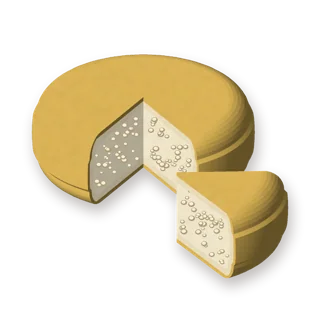
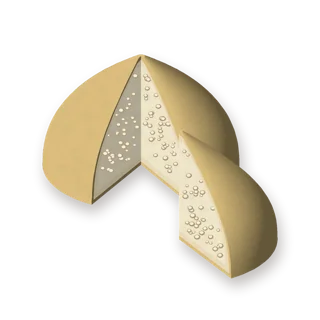
A smoked cow's milk cheese shaped like a pear or spinning top that ends in a small nipple, from the Terra Chá in the north of Lugo province, a long way from the Rías Baixas. Spanish Wikipedia describes a hard, waxy, glossy brown rind 1 to 3 mm thick and a semi-firm paste from white to yellow with a few small eyes. Large cheeses weigh 0.8 to 1.5 kg and stand 13 to 18 cm tall; the small bufón is 0.4 to 0.8 kg and 10 to 13 cm. The consortium dates its national recognition to 1999 and European registration to 2008, and cites an 1857 newspaper article as the oldest mention.
Made in: Terra Chá, Lugo province: Vilalba, Muras, Xermade, Abadín, Guitiriz, Begonte, Castro de Rei, Cospeito and A Pastoriza
Mild, with a touch of spice, low in fat and salt, and the aroma of birch smoke, according to Spanish Wikipedia. The paste is creamy and turns from white when young to yellow as it ripens.
Rind: natural crust
Wine and cheese
San Simón is mild and creamy, smoked over birch, with a touch of spice. A zero-dosage sparkling Albariño with 24 months on lees brings high acidity and bubbles that clear the palate between bites, with no sweetness to fight the smoke.
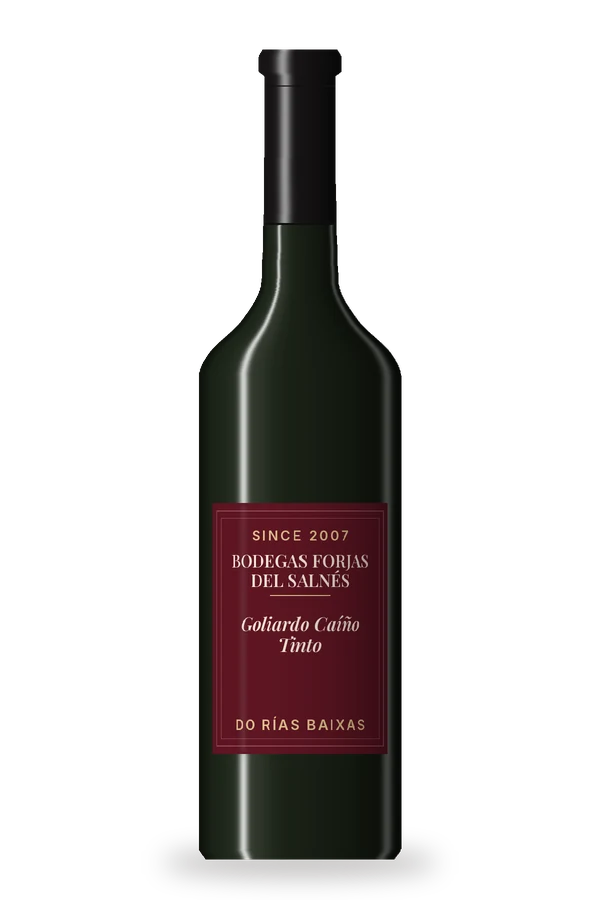
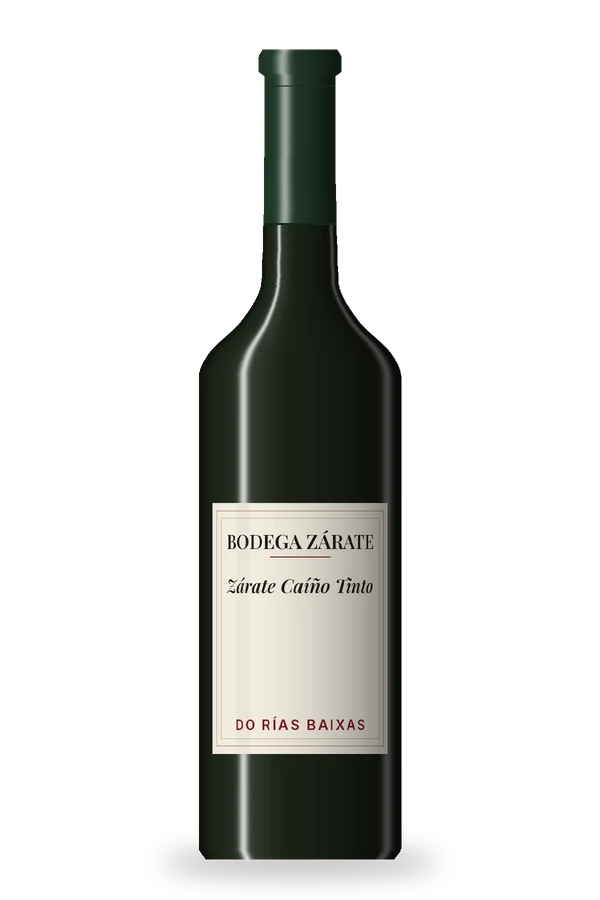
Smoked San Simón is mild with a touch of spice, so it suits a red with freshness rather than weight. Caíño Tinto, a high-acid Atlantic red of medium body and tannin, cuts the creamy paste and leaves the birch smoke in front.
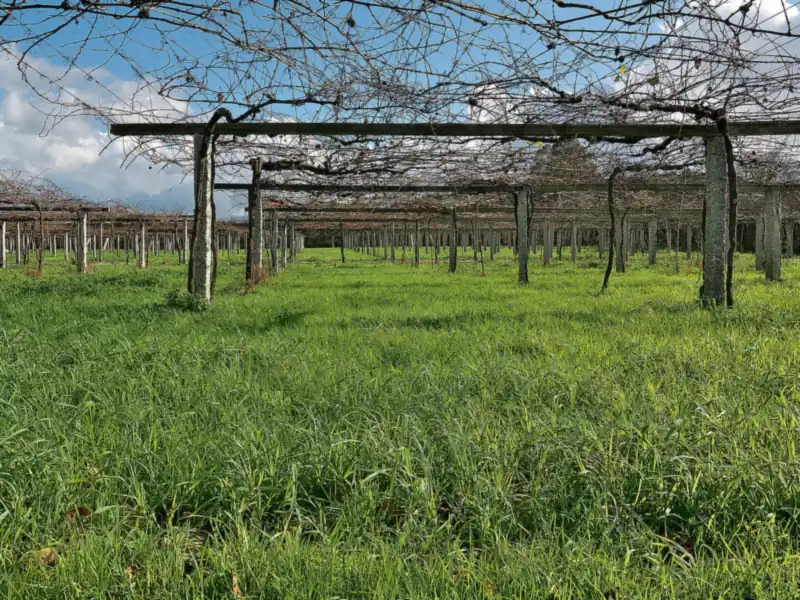
The grapes behind these winesCaíño TintoAlbariño
From the source
Terra Chá dairy founded in 2006 near Vilalba, Lugo province, far from Rías Baixas; a registered DOP San Simón da Costa maker (including the small bufón) that also sells a Tetilla.
Arzúa's cheese fair, a Festa de Interese Turístico de Galicia built around Arzúa-Ulloa, with a producers' fair, workshops, a tapas contest and concerts. Arzúa is in A Coruña province, outside the Rías Baixas wine area, in Arzúa-Ulloa's home country.
Fair devoted to requeixo and honey in As Neves, in the Condado do Tea subzone inside the Rías Baixas wine area. It has run since 1991 and was declared a Festa de Interese Turístico de Galicia in 2013; the Condado-Paradanta cooperative organises it.
Vilalba's cheese fair for the DOP San Simón da Costa, with showcooking, cheese tastings paired with sake, cava and Ribeiro wines, a children's cooking workshop and evening concerts. Vilalba is in the Terra Chá in the north of Lugo province, outside the Rías Baixas wine area.
A visit to the Anzuxao dairy beside a pazo in the Deza, inland in Pontevedra province and outside the Rías Baixas wine area: a walk round the grounds, an audiovisual on cheesemaking and a tasting of Galician cheeses, with a view of production through a glass wall when the visit coincides with cheesemaking. Groups book ahead.
Santiago's public market, in A Coruña province, north of Pontevedra and outside the Rías Baixas wine area. Its cheese stalls include Máis que Queixos, Chacinería Seco (Galician and imported cheeses) and Chacinería Hernández (national and imported cheeses).
Smoking over birch wood is a defining step of the process, according to the consortium; it gives the cheese its dark rind and smoky aroma.
Spanish Wikipedia says young reds or a Ribeiro. Ribeiro is a different Galician denomination from Rías Baixas.
In nine municipalities of the Terra Chá comarca in Lugo province, with Vilalba as the centre, according to the register text.
Same cheeseboard
Plan the trip
Tastings and tours where it is made, and somewhere to stay.
Rías Baixas Albariño Experience: Winery Visit & Cheese
All 317 experiences in Rías BaixasBooking links go to our partners (GetYourGuide, Viator, Zen Hotels), who may pay us a commission. It never decides what we cover. Editorial standards.
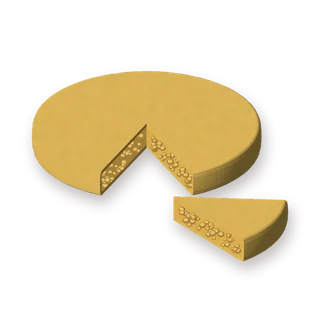
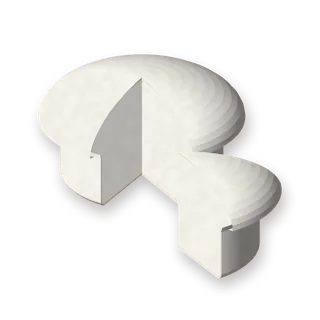
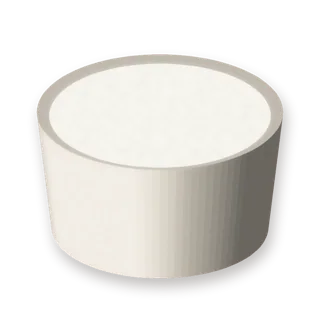
Sources: protection register, sansimondacosta.com, es.wikipedia.org. The drawing is made from the cheese's recorded shape, rind and paste, not a photograph.