
Caves d'affinage Juraflore, Fort des Rousses
Comté ageing cellars of the Arnaud house inside a former military fort in the Haut-Jura, visited on a guided tour with tasting. Bring a coat, it is 8 degrees inside.

Cheese · AOP · Jura
A hard, pressed cow's milk cheese from Jura massif at 500 to 1,500 m: Doubs, Jura and eastern Ain, with parts of Saône-et-Loire and Haute-Savoie.
A cooked, pressed wheel made from the raw milk of Montbéliarde and Simmental cows. Milk is collected in a circle 25 km across around each dairy and made into cheese within 24 hours, with no additives or colourings, in about 150 village fruitières. INAO says it was recognised as an appellation as early as 1952. Wheels average 40 kg and rest in cellars at least four months, many far longer.
Made in: Jura massif at 500 to 1,500 m: Doubs, Jura and eastern Ain, with parts of Saône-et-Loire and Haute-Savoie
Dense and smooth, moving from fruity and milky notes in young wheels to roasted ones with age. INAO lists hazelnut, honey, butter, caramel, egg yolk and vanilla, and older wheels can show small white tyrosine crystals.
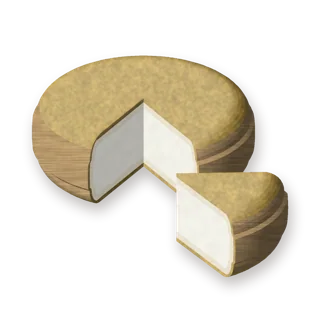
Rind: brushed crust
Wine and cheese
English Wikipedia names the local Comté as a common pairing for vin jaune. An aged wheel's hazelnut and roasted notes meet the walnut and spice of a wine aged more than six years before release, and the wine's sharpness keeps the dense paste from cloying.
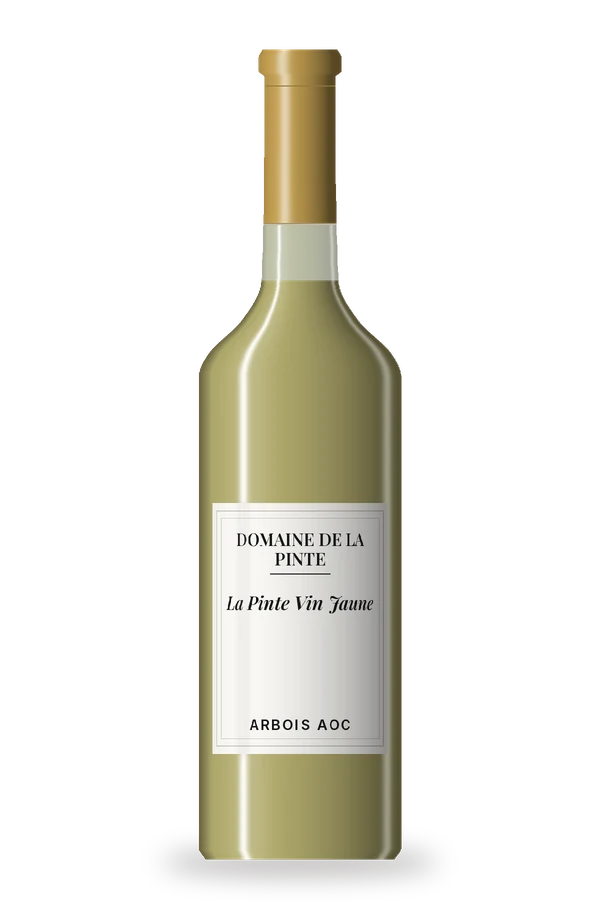
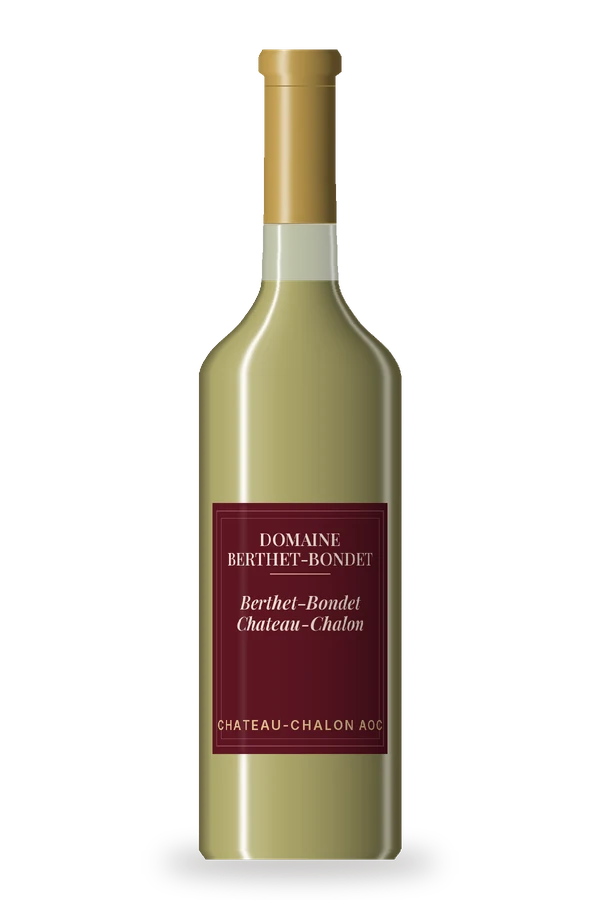
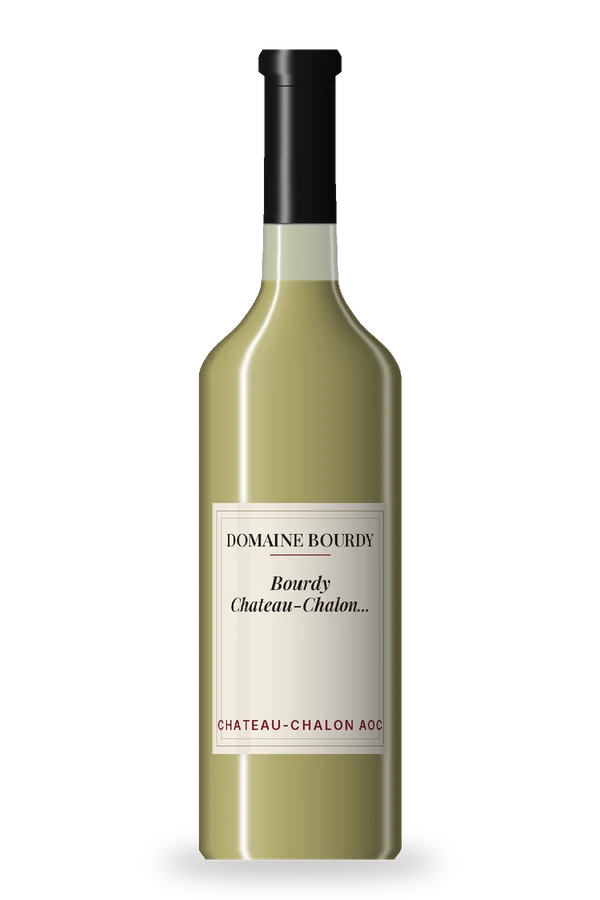
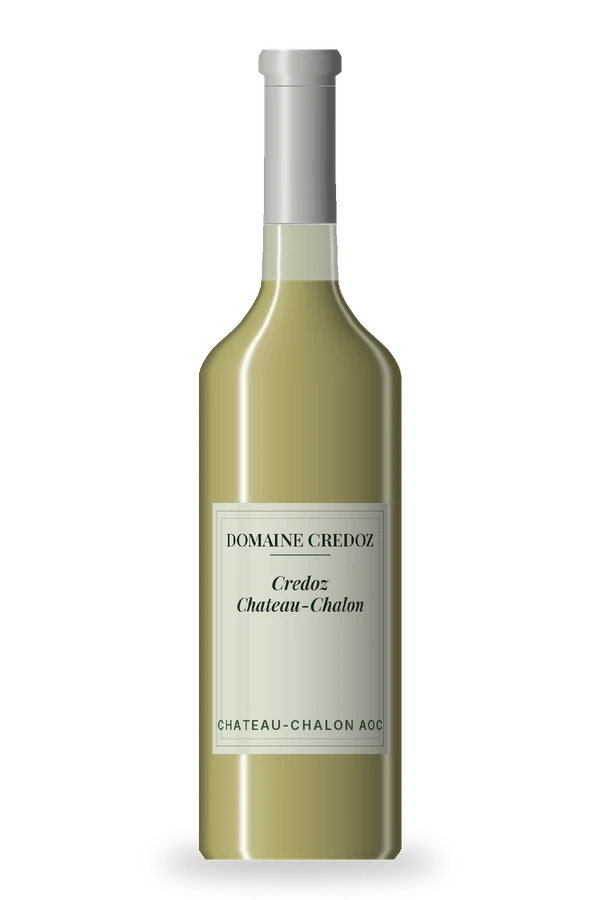
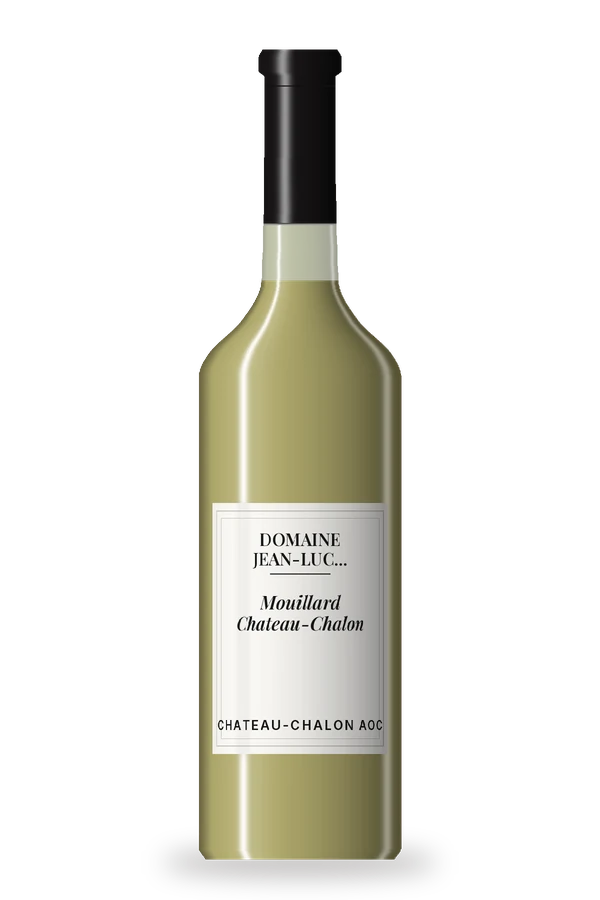
The longest-aged Comtés, dense with roasted notes and the small white tyrosine crystals INAO describes, meet Château-Chalon, the vin jaune of the marl slopes around that village. Both are nutty and concentrated, so neither one drowns the other.
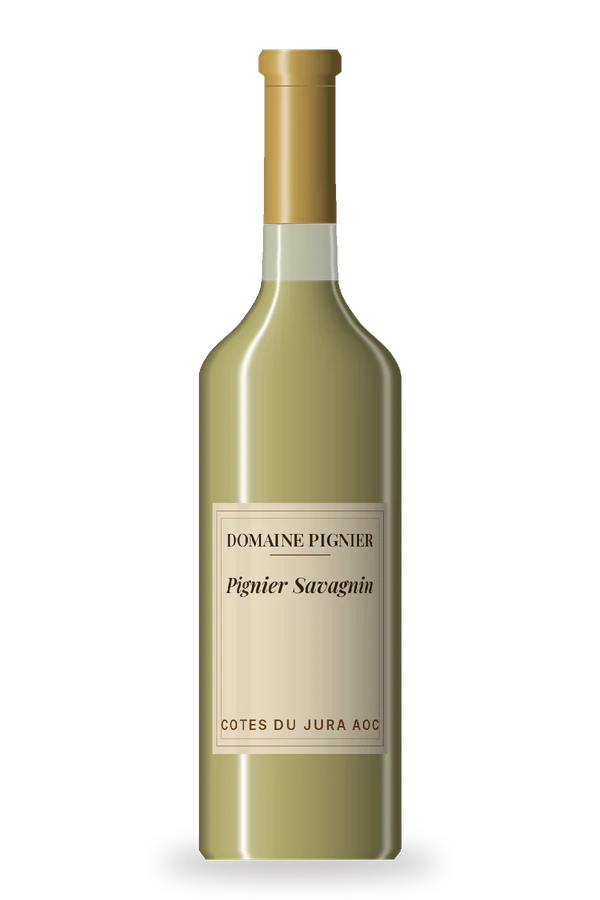
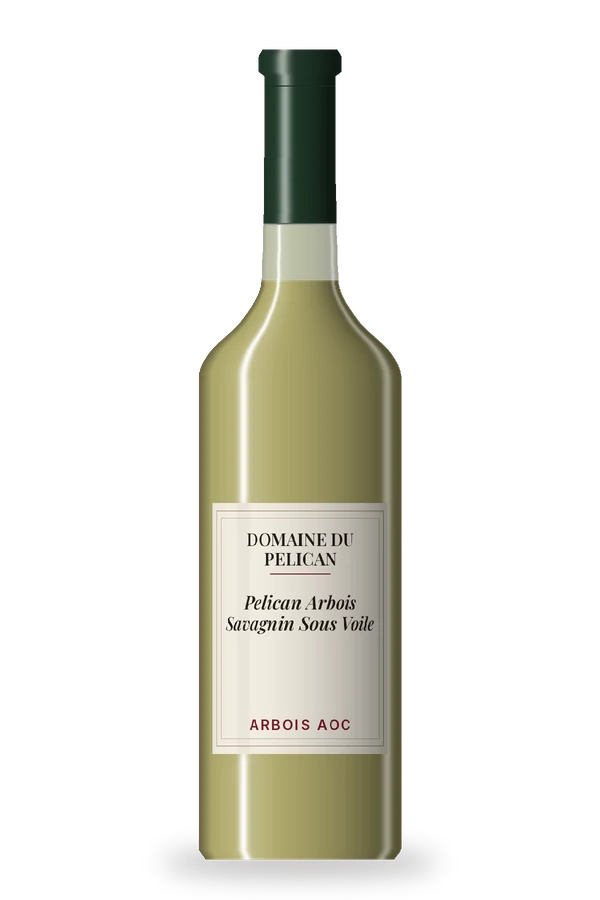
A well-aged Comté has roasted, hazelnut depth. Savagnin aged under a yeast veil in casks that are never topped up takes on walnut notes of its own, which echo the cheese, and its high acidity keeps the dense paste from cloying.
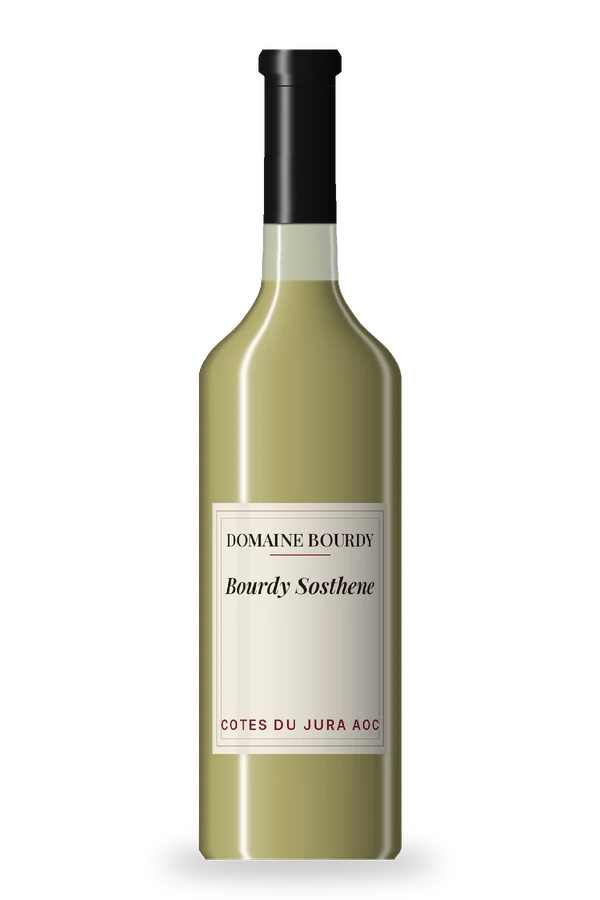
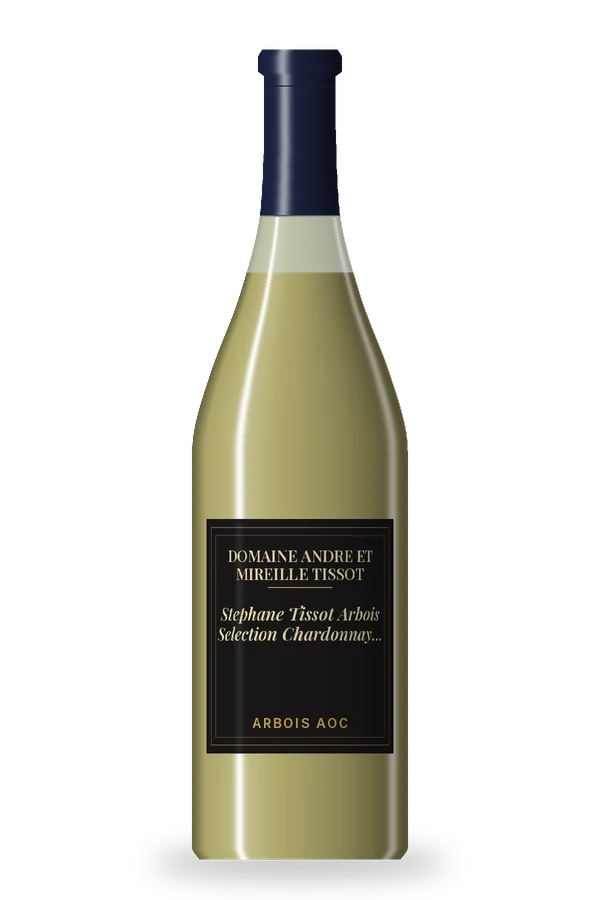
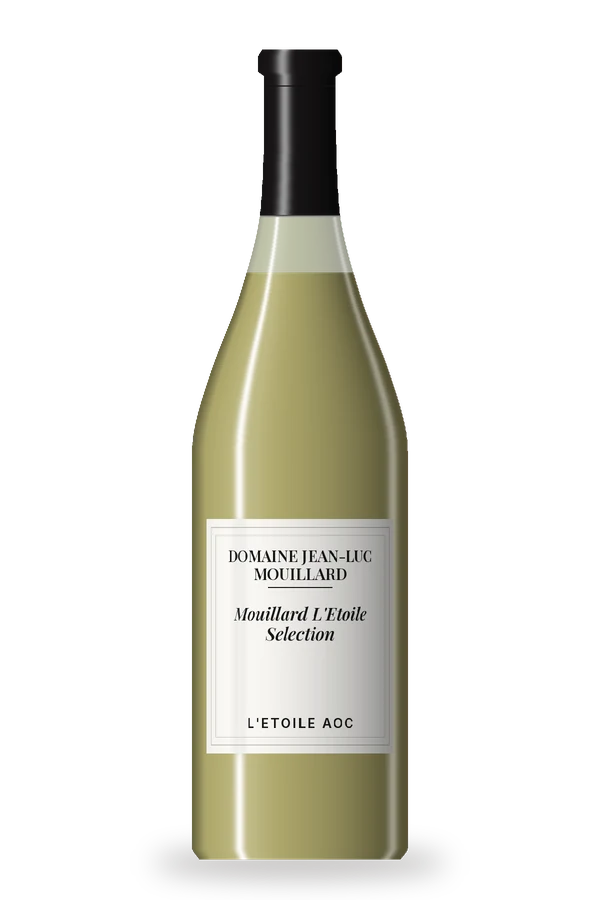
A younger Comté is still milky, fruity and supple. A dry Jura blend of Chardonnay and Savagnin is lighter than vin jaune, so the cheese's butter and fruit stay in front, while the Savagnin gives the wine a firmer, savoury edge against the fat.
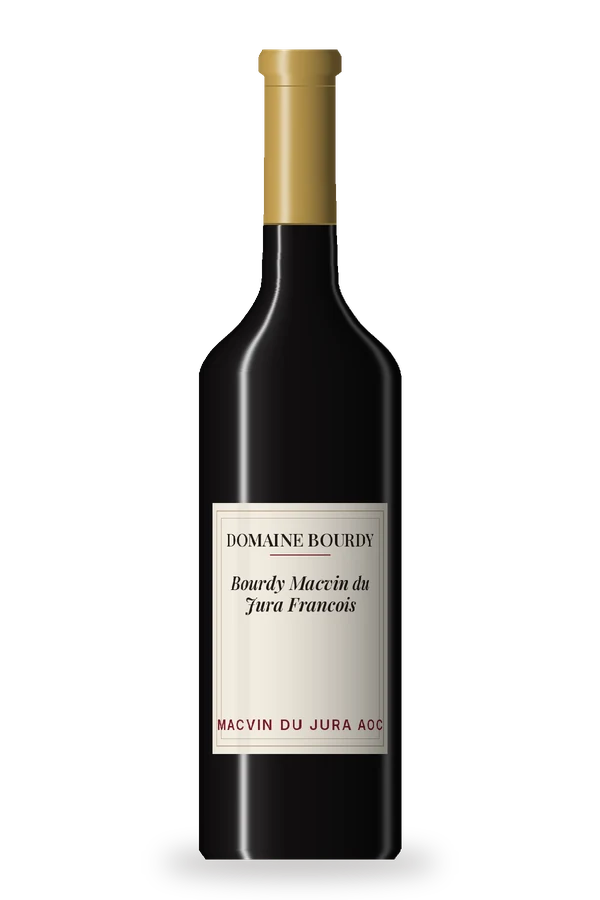
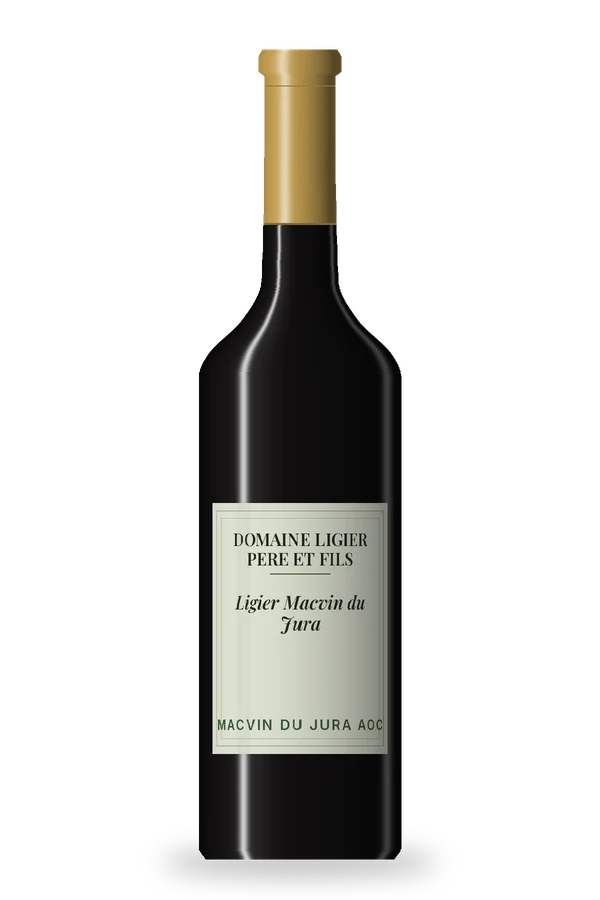
Macvin is a sweet mistelle, grape must stopped with marc and rested in oak. Its sugar and warmth answer the salt and roasted hazelnut of a well-aged Comté, and the cheese's savoury crystals keep the sweetness in check.
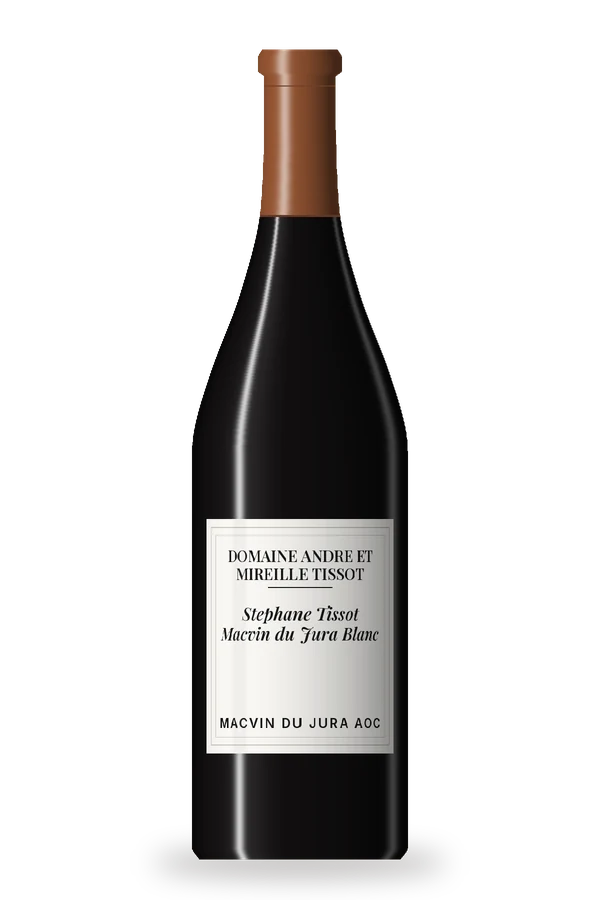
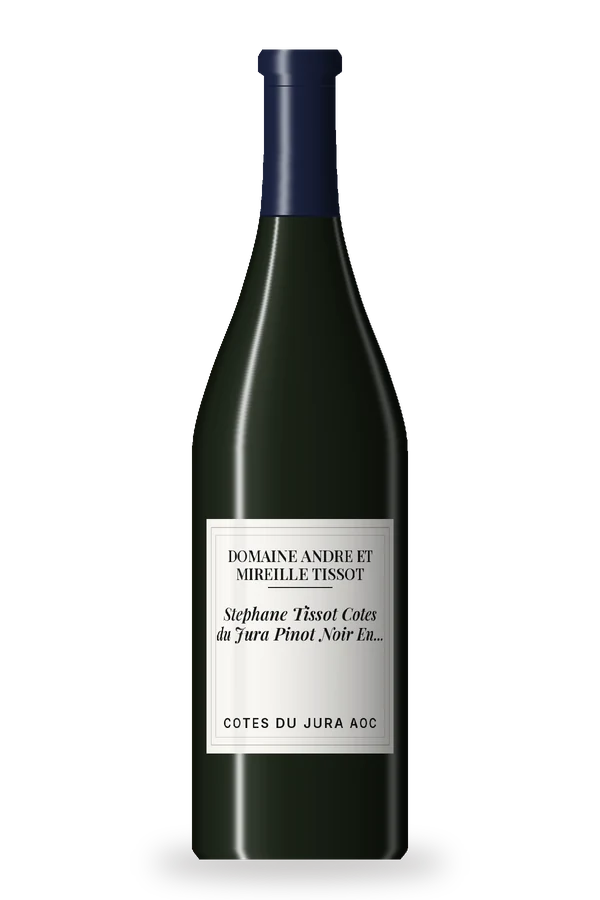
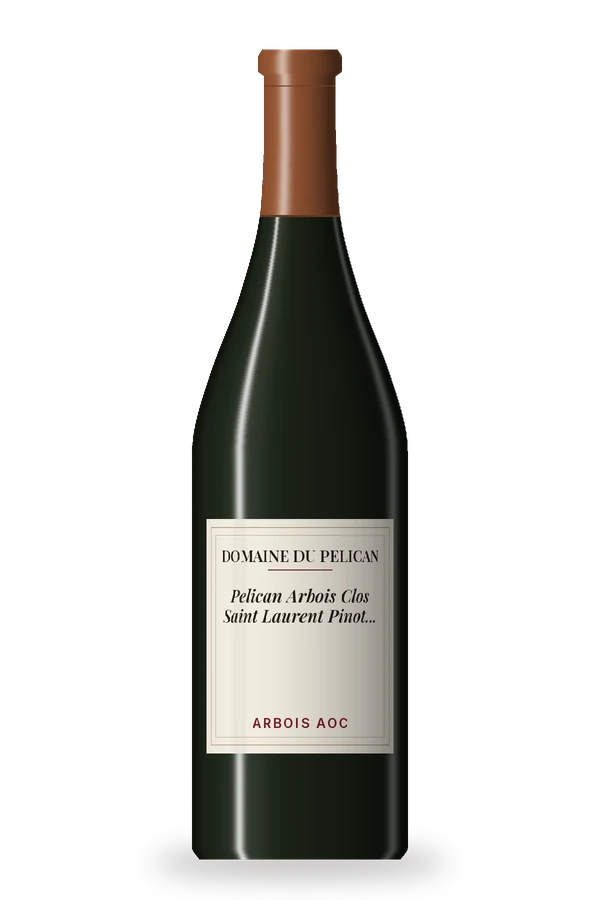
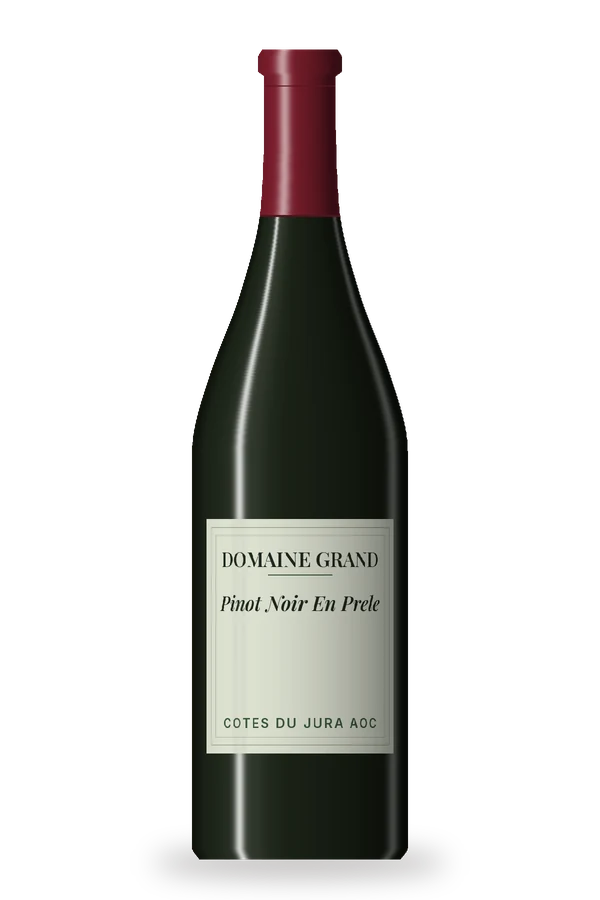
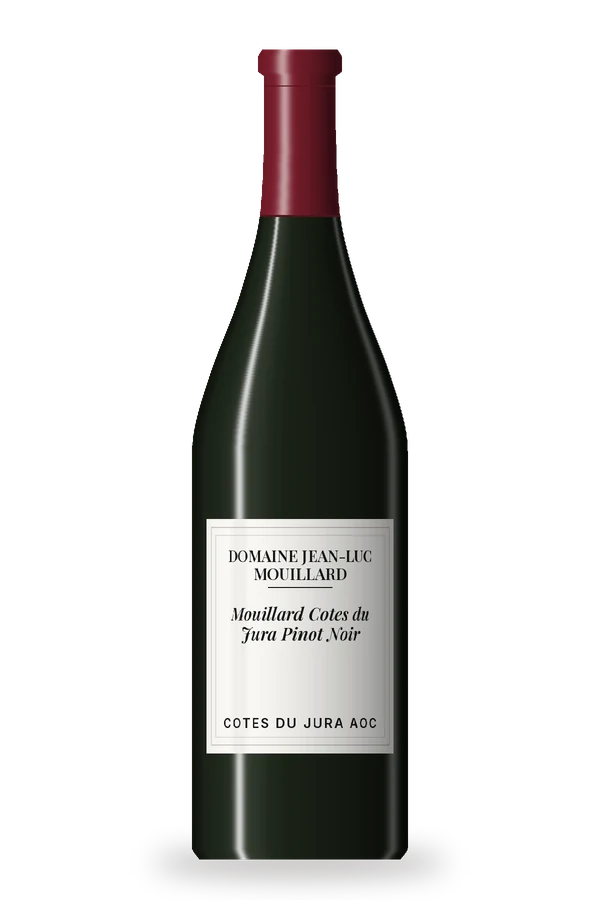
A Comté of around a year keeps its caramel and hazelnut depth without turning sharp. Pinot Noir has the acidity to cut the fat and tannin soft enough not to turn bitter against the paste, so cheese and red fruit stay in balance.
Young Comté is milky and fruity. A dry Crémant du Jura, made sparkling by a second fermentation in bottle, clears the fat from the palate with fine bubbles and acidity, which makes it a good wine for an aperitif cheese board.
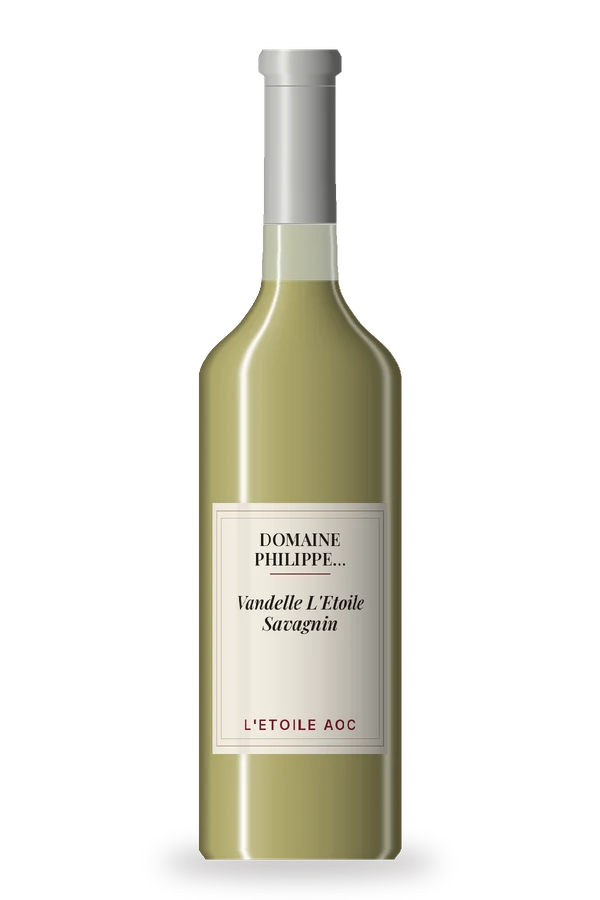
The grapes behind these winesSavagninChardonnayPinot Noir
From the source
Comté ageing cellars of the Arnaud house inside a former military fort in the Haut-Jura, visited on a guided tour with tasting. Bring a coat, it is 8 degrees inside.
Cooperative at Plasne, between Poligny and Château-Chalon. Book the early guided visit of the workshop and cellars, then taste its Comté, Morbier and Tomme.
Fruitière at 1,100 metres in the Haut-Jura, one of the last four dairies making Bleu de Gex AOP beside Comté. Free visits without booking; arrive before 10am to see the cheese being made.
Raw-milk cooperative at Lavigny, between Lons-le-Saunier and Château-Chalon, making Comté, Morbier and Tomme du Jura. Free viewing gallery and a direct-sale shop.
Village cooperative at Doucier making Comté and Morbier. Its morning viewing gallery is closed during October 2026; the shop sells its Comté, Morbier and local products.
A Comté fruitière set inside the town, one of the last of its kind. A gallery looks onto the vats, and the shop sells three ages of Comté, Morbier, raclette and regional produce.
Cooperative that moved its production from three sites into one workshop at Ivory in 2021. Its Arbois shop sells its Comté and Morbier, and the house specialises in Morbier.
Five generations of cheesemongers since 1885, now run by brothers Marc and Mathieu Janin; Marc is Meilleur Ouvrier de France 2015. Raw-milk cheeses ripened in its own cellars, plus wines, beers and spirits.
Cheese shop on place Notre-Dame in Poligny, run by Philippe Bouvret, under a barrel-shaped wooden ceiling. It sells Comté aged up to 33 months, regional cheeses, charcuterie and Jura wines.
Family cheese shop since 1950 in Lons-le-Saunier with more than 150 cheeses from cow, goat and sheep milk, regional specialities made in house, and a vending machine outside. Open seven days.
Shop in the centre of Poligny created in 1986 by the Juramonts union of Comté fruitières, selling the Comtés of its member dairies next to Morbier, Bleu de Gex and raclette.
Interpretive centre on Comté in Poligny, in three buildings for the milk producers, cheesemakers and ageing cellars. Films, sensory games and interactive displays lead to a tasting of two Comtés.
Guided walk through the Comté ageing cellars inside the Fort des Rousses, with a tasting of Comtés of different profiles at the end. Online reservation is compulsory.
Morning visit of the Plasne cooperative: the workshop, the ageing cellars and a tasting of its Comté, Morbier and Tomme. Reservation is required; call the fruitière to book.
Network of farms, fruitières, ageing cellars and cheese museums that welcome visitors, with themed circuits on foot, by bike, car, ski, motorbike or motorhome. The Comté trade body that runs it is based in Poligny.
Once a year the Plasne fruitière opens to the public with guided visits of the factory, a local producers market and a fondue served on booking.
The main food market of Lons-le-Saunier, held on Thursday morning with cheese among the fresh and regional produce. Other stalls fill place du 11 Novembre all day, with a smaller producers market on Wednesday evenings.
At least 4 months. According to the Institut national de l'origine et de la qualité's product page, ageing can extend to 18 months or more; Le Guide du Fromage notes wheels can reach 36 months.
Around 40 kg on average, per the Institut national de l'origine et de la qualité. Le Guide du Fromage gives a range of 32 to 45 kg.
Vin jaune is the regional pairing; Wikipedia calls Comté with vin jaune and walnuts a typical Jura combination.
Same cheeseboard
Plan the trip
Tastings and tours where it is made, and somewhere to stay.
Booking links go to our partners (GetYourGuide, Viator, Zen Hotels), who may pay us a commission. It never decides what we cover. Editorial standards.
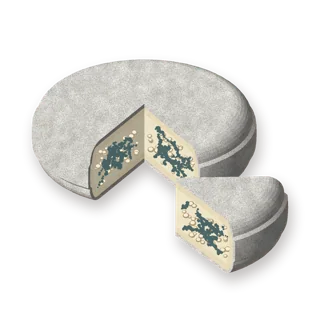
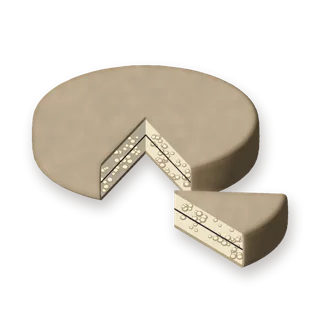
Sources: protection register, www.inao.gouv.fr, www.leguidedufromage.com. The drawing is made from the cheese's recorded shape, rind and paste, not a photograph.