Ferme et Fromagerie Remillet
Farm dairy at Genevrières, Haute-Marne, making raw-milk Langres AOP from its own cows' milk; Maison Moga calls it the last producer. Click and collect only, the shop is closed to the public.

Cheese · AOP · Champagne, Burgundy
A soft, washed rind cow's milk cheese from Two Haute-Marne arrondissements (Chaumont and Langres), the canton of Neufchâteau in the Vosges and four villages of the Côte-d'Or; INAO places the pastures on the Bassigny and Langres plateau, between Burgundy and Champagne.
A cylindrical to slightly conical washed-rind cheese with a dip in the top, made on the Langres plateau of Haute-Marne, which INAO places between Burgundy and Champagne. The milk comes from Simmental, Montbéliarde and Brune cows that must graze at least six months a year. The hollow, called the fontaine, forms by itself because the cheese is never turned during making. Some wheels are ripened with marc, and the alcohol poured into the dip soaks through the cheese. Recognised as an appellation in 1991. The usual format is about 10 cm across and 5 to 6 cm high.
Made in: Two Haute-Marne arrondissements (Chaumont and Langres), the canton of Neufchâteau in the Vosges and four villages of the Côte-d'Or; INAO places the pastures on the Bassigny and Langres plateau, between Burgundy and Champagne
A fine, melting paste with a fruity, lactic character that the consortium compares to yoghurt and cream, of agreeable intensity without excess, under a rind that darkens from light yellow to red-brown with age.
Rind: washed, orange and sticky
Wine and cheese
A rosé Champagne with vinous red fruit and some weight can sit beside a washed rind, and its fruit answers the yoghurt-and-cream note the Langres consortium describes.
Prestige rosé Champagnes are full-bodied, with red fruit over high acidity. That weight meets Langres's washed rind and its fruity paste of yoghurt and cream, where a delicate rosé would fade.
Varietal Pinot Meunier Champagnes are full-bodied and vinous, with ripe orchard fruit and spice. That depth gives them enough weight for a washed rind and its fruity, creamy paste.
A washed rind can flatten a big wine. A medium-bodied Pinot Noir with bright acidity and moderate tannin, such as Mercurey, Savigny or Bourgogne rouge, keeps its fruit against Langres's rind and creamy paste.
The grapes behind these winesPinot NoirPinot MeunierChardonnay
From the source
Farm dairy at Genevrières, Haute-Marne, making raw-milk Langres AOP from its own cows' milk; Maison Moga calls it the last producer. Click and collect only, the shop is closed to the public.
Dairy at Vaux-sous-Aubigny, Haute-Marne, making Langres and Époisses; Chaource AOP is also in its range. A shop, a self-guided production corridor on Friday and Saturday mornings by reservation, and a cheese bar to confirm before visiting.
Family dairy at Saulxures, Haute-Marne, in Langres cheese country, making Langres AOP including Le Champenois aged in champagne marc. The shop also sells Morbier, Comté and cancoillotte.
Julien Pouillot is an affineur and cheesemonger with a stall in the Troyes market hall, selling about 400 references including Chaource fermier, which the shop ripens in its own ripening room. It also sells at the Écrevolles market in Pont-Sainte-Marie and at Fraich' in Barberey-Saint-Sulpice.
Cheese shop on place Carnot in Beaune with about 200 cheeses, wine and fine groceries. Alain Hess, maître fromager since 1997 and an affineur, created the Délice de Pommard.
Founded in 1930 near the Dijon halles and renovated after Yann Lavigne took over in 2012. A glass trapdoor in the floor shows the vaulted ageing cellar below, and the counter holds more than 200 varieties of cheese.
A Dijon cheese shop on rue Musette, founded in 1872 and under new owners since 2017. It stocks 250 to 300 cheeses, mostly from small producers, with Burgundy and Franche-Comté in the lead.
Reims covered market in a concrete hall of 1927 to 1929 with a 19.85 m vault, restored and reopened in 2012. The tourism office lists regular markets on Friday and Saturday; French Wikipedia also lists Wednesday. A 2014 local guide named three cheese counters; stalls change.
Near Reims cathedral, a 90-minute workshop with two champagnes, a glass of ratafia and three regional cheeses. Book at least 24 hours ahead; French, English or Russian, 2 to 20 guests.
Troyes market hall inaugurated in 1874, with eighteen cast-iron posts. It sells andouillette, cheeses and champagne among other local produce; Pouillot, an affineur, has a stall.
At Chaource, in the Aube, a free viewing gallery and film show Chaource AOP ladled by hand; there is no production at weekends. Groups of 20 or more can book a guided visit with tasting.
Dijon's covered market, where cheese stalls such as Au Gas Normand sell Burgundy and other French cheeses on market days.
About an hour in a Dijon wine shop tasting three Burgundy wines each paired with a Burgundy cheese, including an Aligoté with Délice de Bourgogne and mustard. Saturdays at noon from 10 October to 26 December 2026.
The consortium says the fontaine forms naturally because the cheese is never turned during making. Some producers ripen it with marc, and the alcohol poured into the dip spreads through the cheese.
Montbéliarde, Brune or Simmental cows, with Prim'Holstein allowed only below half the herd. Grazing must last at least six months a year, per the consortium.
The usual format weighs 280 to 300 g and measures 10 cm across and 5 to 6 cm high, per French Wikipedia.
INAO records the French appellation in 1991. Its Langres page also lists the European Commission regulations of 1996 and 1997 on the register of protected designations; the later dates sometimes quoted, 2009 (French Wikipedia) and 2012 (the consortium), are those of the revised rules and their European approval, not the first protection.
Same cheeseboard
Plan the trip
Tastings and tours where it is made, and somewhere to stay.
Booking links go to our partners (GetYourGuide, Viator, Zen Hotels), who may pay us a commission. It never decides what we cover. Editorial standards.
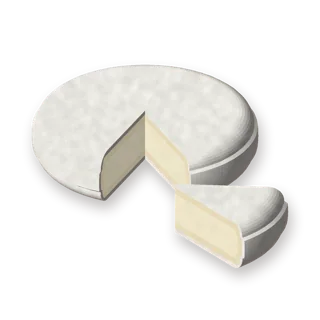
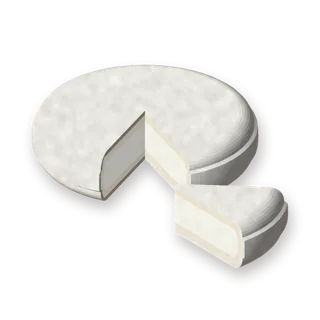
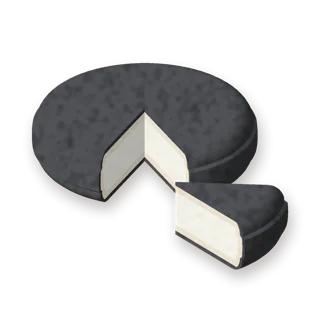
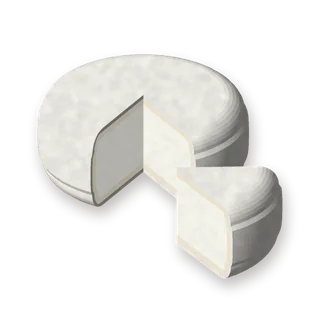
Sources: protection register, www.fromagedelangres.com, fr.wikipedia.org. The drawing is made from the cheese's recorded shape, rind and paste, not a photograph.