Graviera with Barrel-aged Nemea Agiorgitiko ★ 4.2
Our pick
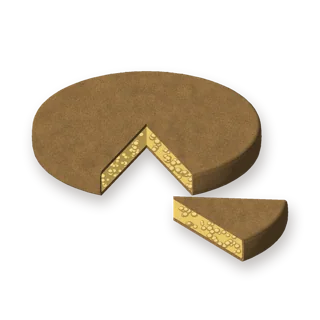
An aged graviera is hard, rich and slightly sweet. Its fat and salt soften the tannins of a barrel-aged Nemea Agiorgitiko, and its sweetness sits well with the wine's ripe fruit and the spice the oak brings.
Bottles to try:

Zireiotyri with Unoaked Agiorgitiko ★ 4.2
Our pick
Zireiotyri is hard, salty and lightly spicy, ripened at least three months. An Agiorgitiko raised without barrels keeps oak out of the way, so the wine's fruit meets the salt and spice directly.
Bottles to try:
Mizithra with Dry Moschofilero ★ 4.2
Our pick
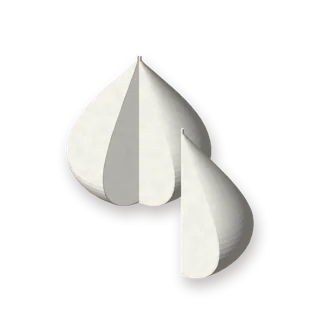
Fresh mizithra is soft, snow-white, creamy and almost sweet. A dry, aromatic Moschofilero with high acidity lifts the milky curd without covering it, and with the salted, grated kind the acidity cuts the salt.
Bottles to try:
Graviera with Dry Malagousia white ★ 4.1
Our pick
Graviera is semi-hard, slightly sweet and rich, and melts a little in the mouth. A dry Malagousia white, aromatic with ripe fruit and high acidity, matches that richness and cuts the fat between bites.
Bottles to try:
Anthotyro with Light dry rose ★ 4.1
Our pick
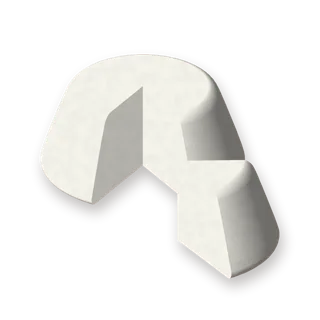
Fresh anthotyro is sweet, creamy and unsalted, and is eaten with honey and fruit. A light-bodied dry rose with high acidity and fresh fruit or floral notes sits beside it without weighing it down.
Bottles to try:
Mizithra with Medium-bodied crisp rose ★ 4.1
Our pick
Fresh mizithra is soft, snow-white and almost sweet. A dry rose of medium body and high acidity brings red-berry fruit and a clean finish; with the salted, grated kind, the acidity cuts the salt.
Bottles to try:

Kefalotyri with Oak-aged blend of Agiorgitiko with Cabernet Sauvignon ★ 4.0
Our pick
An aged kefalotyri is hard, brackish and lightly spicy, with a creamy texture. Oak-aged blends of Agiorgitiko with Cabernet Sauvignon are full-bodied and structured, and the cheese's salt and fat soften their tannin.
Bottles to try:
Graviera with Old Vines Nemea Agiorgitiko ★ 4.0
Our pick
Graviera is a rich, semi-hard sheep's and goat's milk cheese, slightly sweet or spicy. A full, oak-aged Agiorgitiko from old vines, with medium tannin and tart red fruit, meets its fat and cuts the richness.
Bottles to try:
Kefalotyri with Oak-aged Peloponnese Cabernet Sauvignon or Syrah ★ 4.0
Our pick
Aged kefalotyri is hard, brackish and lightly spicy, with a creamy texture. An oak-aged Peloponnese Cabernet Sauvignon or Syrah has the structure to meet that salt, and the cheese's fat rounds the wine's grip.
Bottles to try:
Graviera with Oak-touched Peloponnese Chardonnay ★ 4.0
Our pick
Graviera is semi-hard, rich and slightly sweet, and melts a little in the mouth. A Peloponnese Chardonnay given some time in oak has the round texture to match it and enough acidity to cut the fat.
Bottles to try:
Graviera with Merlot, PGI Peloponnese ★ 3.9
Our pick
Graviera is a hard sheep's and goat's milk cheese, rich and slightly sweet or spicy. A full, oak-aged Peloponnese Merlot with ripe fruit has the round tannin and weight that the firm, fatty paste can soften.
Bottles to try:
Kefalotyri with Old-vine Nemea Agiorgitiko ★ 3.9
Our pick
Hard, salty kefalotyri, lightly spicy with age, suits a full Agiorgitiko with peppery, leathery notes and vivid acidity: the acidity cuts the salt and the pepper meets the cheese's spice.
Bottles to try:
Feta with Dry Assyrtiko-based white ★ 3.9
Our pick
Feta is soft, crumbly, salty and tangy. A dry Assyrtiko-based white has the high acidity to stay fresh against the brine and cut the cheese's fat, whether the wine is raised in steel or partly in oak.
Bottles to try:
Feta with Dry Kydonitsa ★ 3.8
Our pick
Feta is crumbly, tangy and salty, ripened in brine. A dry Kydonitsa with high acidity and fresh fruit answers the salt and the tang, and keeps the palate fresh between bites.
Bottles to try: