Vineyard Walk with Wine & Cheese Pairing at a Langhe Winery
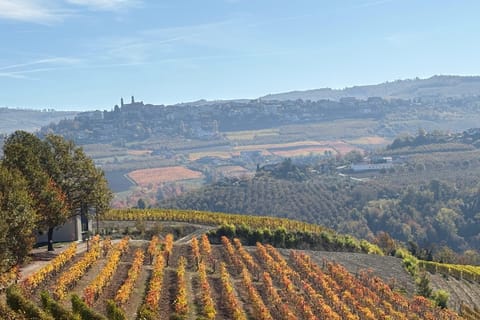
Explore our private Alterris estate, strolling through the vineyards, visiting our cellar dug into the hillside, and enjoying an exclusive wine and cheese pairing experience

Nebbiolo kings, Barbera workhorses, fog over the Langhe hills
Nebbiolo country at the foot of the Alps, where Barolo and Barbaresco anchor Italy's deepest roster of DOCG appellations alongside Barbera, Moscato and Gavi.
Explore our private Alterris estate, strolling through the vineyards, visiting our cellar dug into the hillside, and enjoying an exclusive wine and cheese pairing experience
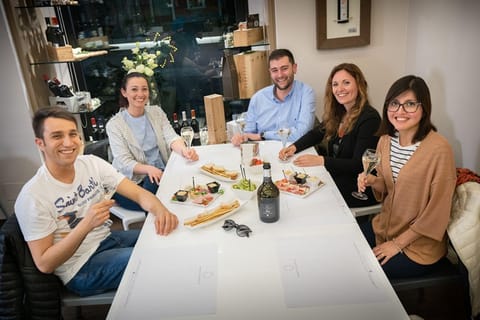
Indulge in a wine tasting experience in Alba, featuring five exceptional wines and a selection of finger foods. Enjoy a curated selection of wines, including Barolo an...
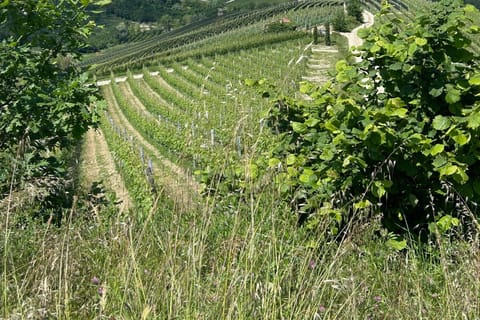
Discover the wines of Langhe and Roero on a personalized tour. Visit up to 3 wineries, meet local producers, and enjoy authentic tastings.
Every vineyard, tasting room, wine bar and cellar we cover in Piedmont, pinned. Click a pin for the page.
The iconic bottles that define Piedmont.
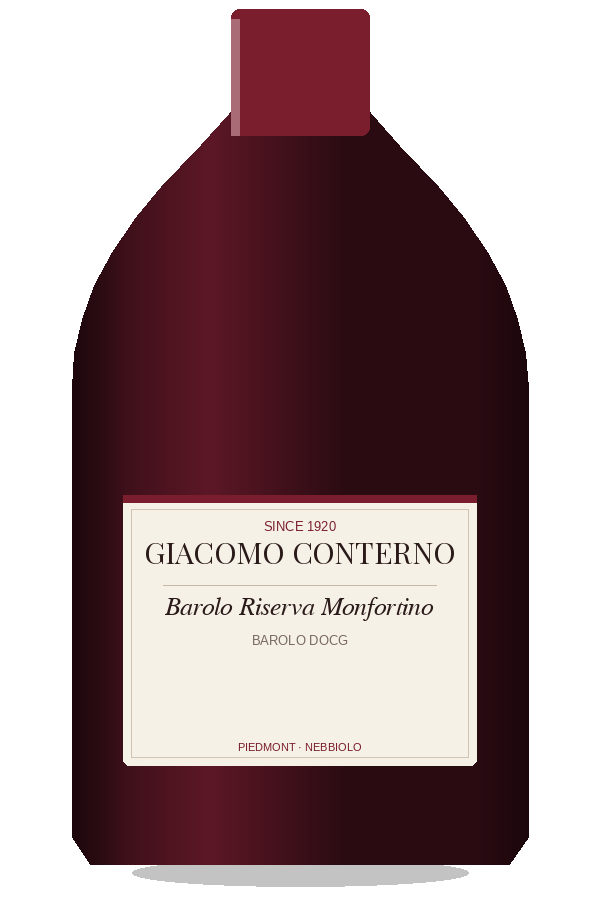
Producer: Giacomo Conterno
Giacomo Conterno's reserve Barolo and the benchmark of the traditional school. Released only in exceptional vintages after long cask ageing.
Price: EUR 800 to 2500 at retail
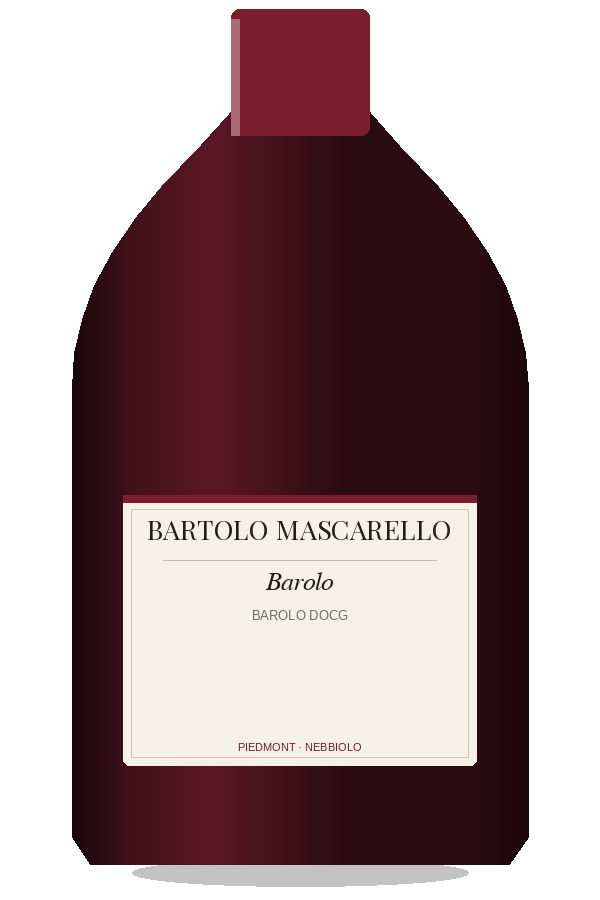
Producer: Bartolo Mascarello
The cult traditionalist Barolo of the village, a four-cru blend famous for Maria Teresa's hand-drawn labels.
Price: EUR 300 to 600 at retail
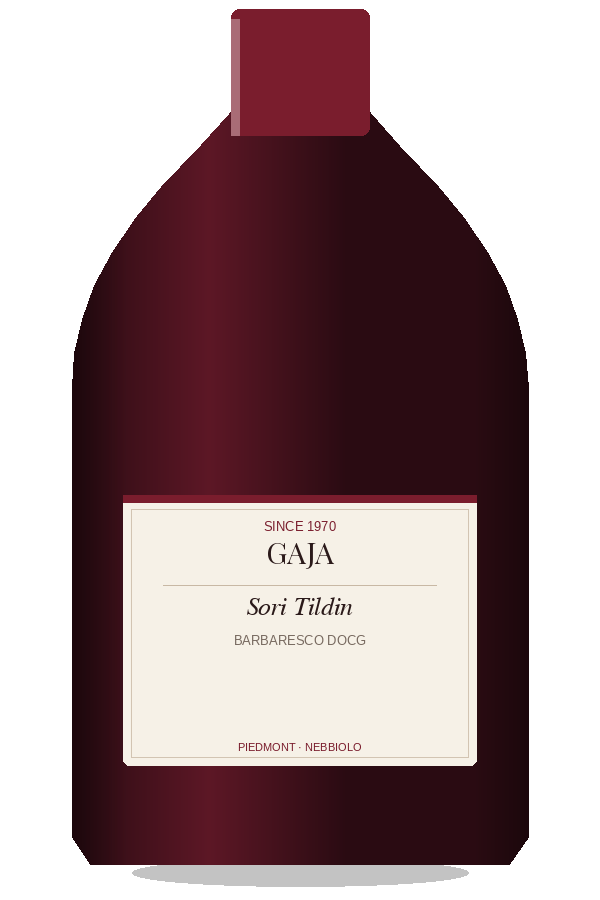
Producer: Gaja
Gaja's most celebrated Barbaresco cru, a south-facing hill above Costa Russi.
Price: EUR 600 to 1200 at retail
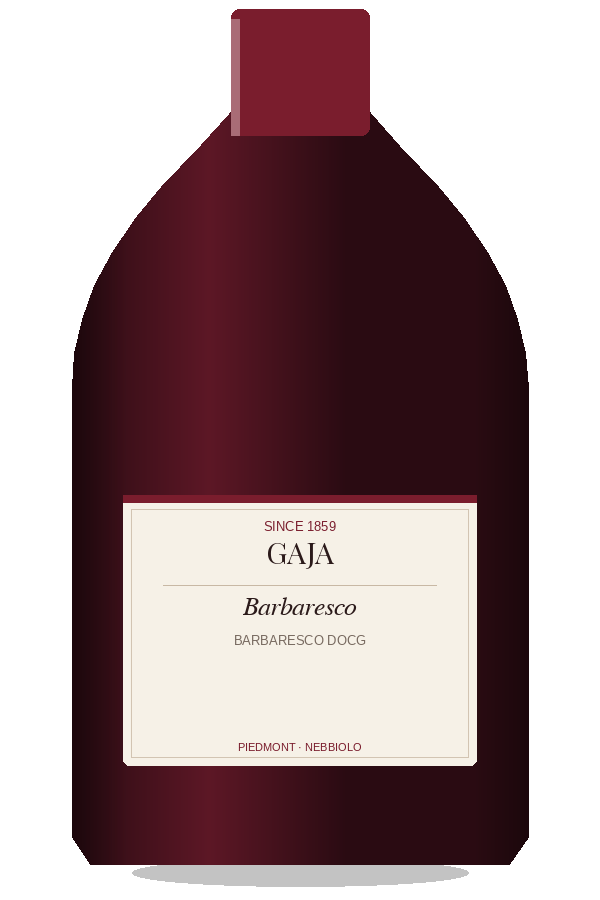
Producer: Gaja
The village Barbaresco that put the appellation on the global map.
Price: EUR 250 to 400 at retail
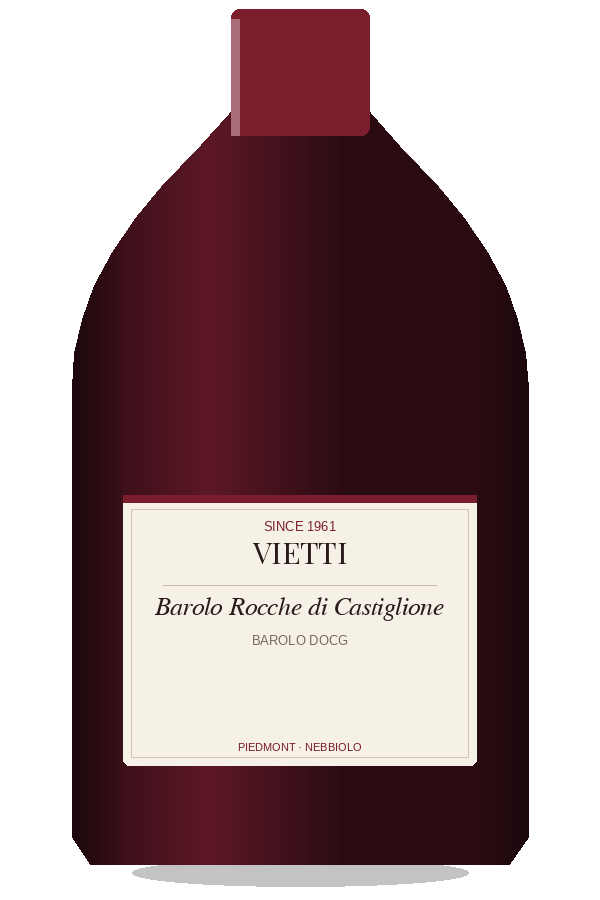
Producer: Vietti
Vietti's most aromatic single-cru Barolo from Castiglione Falletto.
Price: EUR 200 to 400 at retail
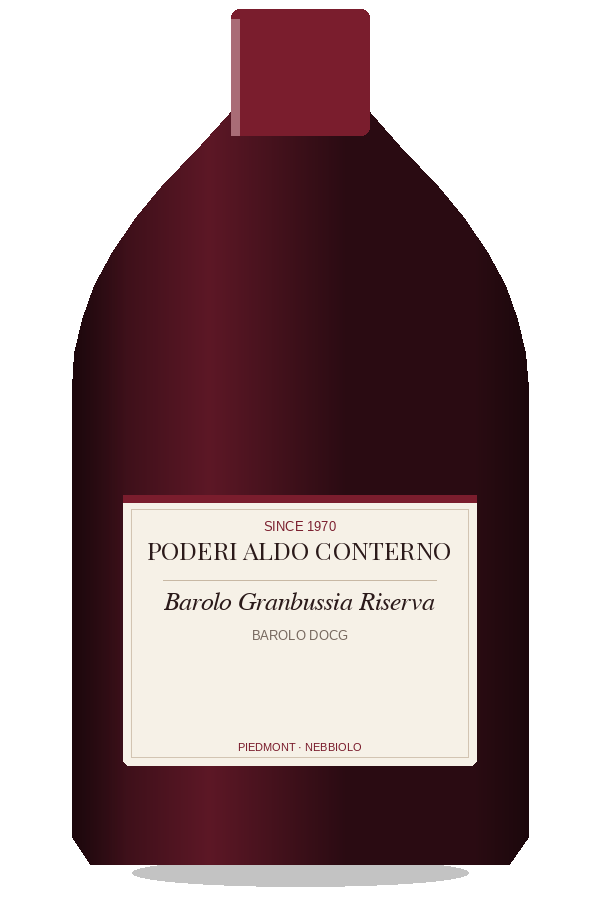
Producer: Poderi Aldo Conterno
Aldo Conterno's flagship Monforte Riserva, a benchmark of the Bussia amphitheatre.
Price: EUR 400 to 900 at retail
A handful of the estates we send friends to when they are in Piedmont.
The Gaja family has made wine in Barbaresco since 1859. Angelo Gaja modernised the estate from the 1960s and pushed single-vineyard Nebbiolo onto the world stage; the house now also farms in Barolo and beyond.
Signature: sori-san-lorenzo, sori-tildin, barbaresco-gaja
Founded in 1908, Giacomo Conterno is the standard-bearer of traditional Barolo, famous for the Monfortino Riserva from the Cascina Francia and Arione vineyards in Serralunga. Now led by Roberto Conterno.
Signature: monfortino-barolo-riserva, barolo-cascina-francia
A historic Castiglione Falletto house founded in 1919, known for single-cru Barolo (Rocche di Castiglione, Brunate, Ravera) and artist-label bottlings. Acquired by the Krause family in 2016.
Signature: barolo-rocche-di-castiglione, barolo-ravera, barbera-dasti-la-crena
Established in 1972 in Vergne, the highest village in Barolo, the Vaira family farms organically and makes a fragrant, high-toned style led by Barolo Bricco delle Viole alongside a rare Langhe Riesling.
Signature: barolo-bricco-delle-viole, barolo-albe, langhe-riesling-petracine
Founded in 1881 and still cellaring within Alba's ancient Roman walls, Pio Cesare is one of Piedmont's historic houses, making both classic blended Barolo and the single-vineyard Ornato.
Signature: barolo-ornato, barolo-pio-cesare, barbaresco-il-bricco
Founded in 1937 and expanded by brothers Bruno and Marcello Ceretto, the house farms organically across Barolo and Barbaresco crus and is known for the Bricco Rocche glass cube and Blange Arneis.
Signature: barolo-bricco-rocche, barbaresco-asili, blange-arneis
Fog-wreathed Nebbiolo amphitheatres around hilltop villages and castles; the most powerful, age-worthy red in Italy and the beating heart of the Langhe.
Also: Barolo DOCG
A tighter cluster of Nebbiolo crus around a medieval tower; perfumed, silkier reds that Angelo Gaja pushed onto the world stage from the 1960s.
Also: Barbaresco DOCG
Panoramic balcony over the Barolo zone with a painted chapel among the vines; the softest, most fragrant face of Nebbiolo on western marls.
A narrow ridge of austere, iron-soil Nebbiolo under a fairy-tale castle; the most powerful and slow-evolving Barolo commune.
A ridge-top village balanced between power and perfume; central Barolo crus that bridge the zone's two soil types.
High, amphitheatre vineyards above a stepped medieval village famous for its summer jazz; dense, brooding Barolo from Bussia and Ginestra.
Peak wine-travel season in Piedmont is spring through autumn, with harvest the standout window.
classified-growth and grand-cru estates require booking days to weeks ahead; smaller family domaines often take walk-ins midweek.
most estates open 10:00 to 17:00 by appointment, often closed Sunday and Monday.
tipping is not expected at tastings; buying a bottle from the cellar door is the customary thank-you.
If you only open one bottle, open Giacomo Conterno Barolo Riserva Monfortino by giacomo-conterno. It is the wine most associated with Piedmont.