Our pick
An aged Farindola is mushroomy and hay-scented and only mildly piquant. A dry Montepulciano d'Abruzzo meets those woodland notes with its fruit, and the moist sheep's-milk paste softens the wine's tannin.
Bottles to try:

Our pick
A canestrato aged beyond a year is creamy yet piquant, with chestnut and spice. A full-bodied riserva has the weight to match it, and its tannin is softened by the fat of the paste.
Bottles to try:
Our pick
A younger, semi-aged Farindola has milk and grass flavours that suit a dry, high-acid white. The Pecorino grape's acidity lifts the paste; the grape and the cheese happen to share a name.
Bottles to try:

Our pick
Young Pecorino di Atri, eaten at about 10 days, is soft, white and faintly acidic. A Trebbiano d'Abruzzo with high acidity echoes that and keeps the pairing light and fresh.
Bottles to try:
Our pick
For a fresh or semi-aged wheel, with its hay notes and sweet finish, the high acidity of a dry Cerasuolo refreshes the palate, and with no tannin it does not overpower a cheese that is still gentle.
Bottles to try:
Our pick
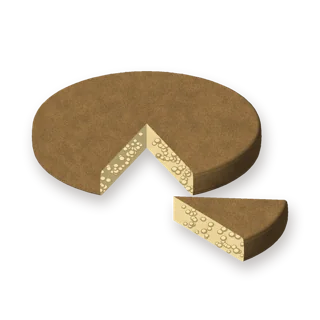
This mountain pecorino moves from delicate to piquant with age and is generally less salty than pecorini elsewhere in central Italy. A dry Montepulciano d'Abruzzo meets it with fruit and tannin, and the sheep's-milk fat softens the wine's grip.
Bottles to try:

Our pick
A soft, mild sheep's cheese set with wild artichoke and saffron needs a light, delicate white. Cococciola's modest weight and fresh acidity let the herbal scent of the cheese come through.
Bottles to try:
Our pick
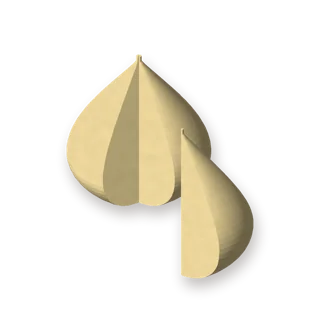
A caciocavallo aged until it turns firm and piquant can stand up to a full-bodied Montepulciano d'Abruzzo. The wine's fruit offsets the piquant heat, and the fat of the stretched cow's-milk paste softens the tannin.
Bottles to try:

Our pick
Aged sheep's ricotta keeps a soft, fragrant paste tasting of milk and mountain forage. A dry, high-acid Pecorino cuts the milky richness and leaves room for the herbal notes, which a heavier red would flatten.
Bottles to try:
Pecorino abruzzese with Cerasuolo d'Abruzzo Superiore ★ 4.2
Our pick
A young or medium-aged mountain pecorino is delicate at first and grows more piquant. A Cerasuolo d'Abruzzo Superiore, a dry Montepulciano rosé with red fruit, cuts the sheep's-milk fat, and with no tannin there is nothing to clash with the salt.
Bottles to try:

Our pick
The mixed cow and sheep cheese of Farindola is decided in flavour but more delicate than the pecorino. A dry Cerasuolo with high acidity gives it freshness without tannin.
Bottles to try:

Marcetto with Montepulciano d'Abruzzo Riserva ★ 4.1
Our pick
Marcetto is a very piquant, strong-smelling cream eaten by the spoonful on bread. A full-bodied Montepulciano d'Abruzzo riserva, with its depth of fruit and tannin, is one of the few wines that holds its own; a little cheese at a time keeps the balance.
Bottles to try:
Pecorino di Atri with Trebbiano d'Abruzzo Superiore ★ 4.1
Our pick
Medium-aged Pecorino di Atri is straw yellow, firmer, more intense and a little saltier than the young cheese. A dry Trebbiano d'Abruzzo Superiore, rested for months before bottling, has the acidity to cut the sheep's-milk fat and the depth for the firmer paste.
Bottles to try:

Our pick
Fresh scamorza is compact and delicate, and the briefly matured appassita is more decided. A dry Cerasuolo with high acidity refreshes the stretched cow's-milk paste and has the weight to hold up to the appassita.
Bottles to try:

Our pick
Fresh, creamy giuncata has the acidic taste and smell of fresh curd. A dry Trebbiano d'Abruzzo with high acidity matches that tang, and its delicate fruit keeps the pairing light instead of covering the milk.
Bottles to try:

Our pick
An aged goat's cheese, compact and slightly chalky with intense flavour, needs a white with high acidity. A dry Pecorino supplies it, lifting the dense paste and keeping the strong goat flavour from taking over.
Bottles to try: