Cooperativa Campo Imperatore (caseificio)
Cooperative dairy at Calascio making Canestrato di Castel del Monte and aged sheep ricotta; visitors can stop at the dairy to buy cheese.

Cheese · Abruzzo
Also labelled Incanestrato di Castel del Monte
A hard, pressed sheep's milk cheese from Gran Sasso slope on the L'Aquila side: Barisciano, Calascio, Castel del Monte and Villa Santa Lucia.
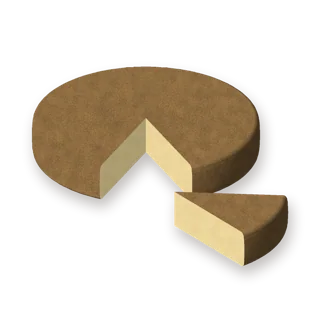
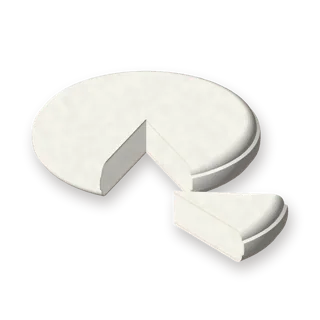
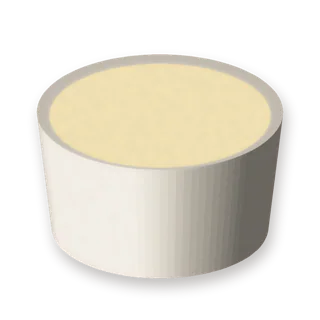
Hard raw sheep's-milk cheese of the transhumance, made on the L'Aquila side of the Gran Sasso, where flocks graze the Campo Imperatore plateau at about 1,800 m. The curd is set in baskets whose imprint marks the cylindrical wheel, salted and aged on boards, with the rind rubbed with olive oil. Wheels run from about half a kilo to 2.5 kg, with traditional 15 kg wheels also recognised. It is a Slow Food presidium and an Abruzzo traditional food product, defended by a producers' consortium.
Made in: Gran Sasso slope on the L'Aquila side: Barisciano, Calascio, Castel del Monte and Villa Santa Lucia
Fresh and semi-aged wheels grow steadily more intense, with hay and pasture notes and a sweet finish. Aged wheels are creamy despite long ageing and piquant without being aggressive, going from grass to chestnut, pasture and spice.
Rind: natural crust
Wine and cheese
A canestrato aged beyond a year is creamy yet piquant, with chestnut and spice. A full-bodied riserva has the weight to match it, and its tannin is softened by the fat of the paste.
For a fresh or semi-aged wheel, with its hay notes and sweet finish, the high acidity of a dry Cerasuolo refreshes the palate, and with no tannin it does not overpower a cheese that is still gentle.
The grapes behind these winesMontepulciano
From the source
Cooperative dairy at Calascio making Canestrato di Castel del Monte and aged sheep ricotta; visitors can stop at the dairy to buy cheese.
The producers' consortium shop, opened 2001 in a basement of the renovated town hall. It sells Pecorino di Farindola from the member farms and also selects and ages the cheeses it sells.
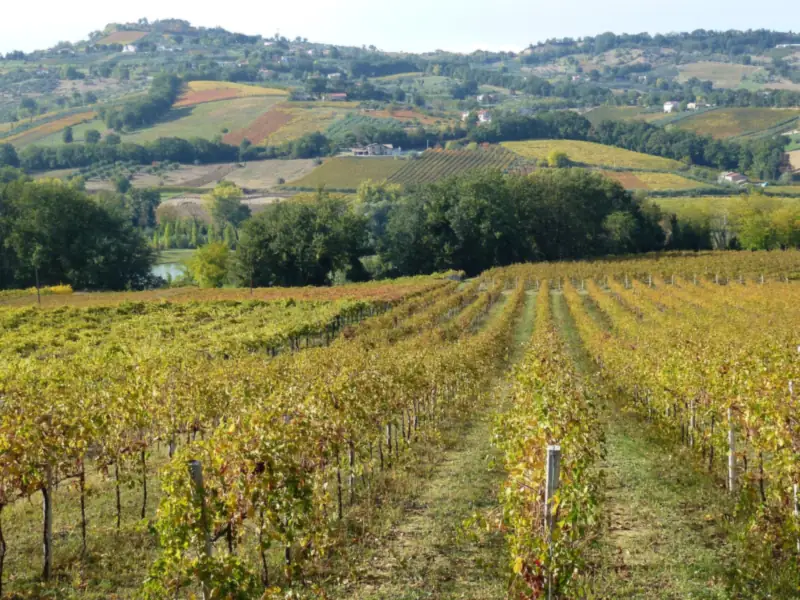
A 69 km driving loop from Barisciano, published by the Gran Sasso park, through Santo Stefano di Sessanio, Castel del Monte and Calascio. The park suggests buying Canestrato at a farm shop in Castel del Monte and stopping at the Campo Imperatore cooperative's dairy on the way back.
The park's product page says the rind carries the imprint of the basket (canestro) in which the curd is shaped.
Slow Food says the milk is used pure and comes mostly from Sopravvissana or Gentile di Puglia sheep.
Slow Food gives half a kilo to two and a half kilos for the aged wheels it describes, and the presidium rules also cover 5 kg and traditional 15 kg wheels. The Gran Sasso park page gives a range of 1 to 15 kg.
Same cheeseboard
Plan the trip
Tastings and tours where it is made, and somewhere to stay.
Booking links go to our partners (GetYourGuide, Viator, Zen Hotels), who may pay us a commission. It never decides what we cover. Editorial standards.
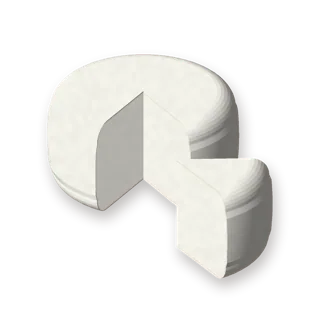
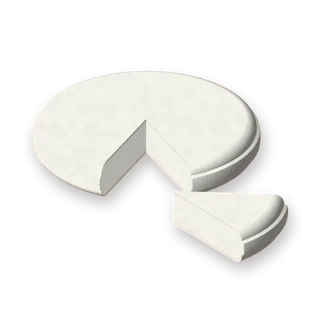
Sources: www.fondazioneslowfood.com, www.abruzzoturismo.it. The drawing is made from the cheese's recorded shape, rind and paste, not a photograph.