Laiterie de Verbier
Family dairy in Verbier selling its Bagnes raclette, tommes, sérac and yoghurt in a shop, with a 24-hour vending machine and a weekly cheese-making class run by Marc Dubosson.

Cheese · AOP · Valais
Also labelled Walliser Raclette
A semi-hard cow's milk cheese from Canton of Valais (milk production, processing and ageing, with one alp at Kandersteg, Bern, as the only exception).
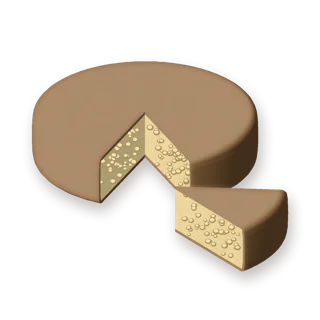
A full-fat, semi-hard cheese from raw cows' milk, with milk production, processing and ageing confined to the canton of Valais. It is made in copper vats and matured on raw spruce boards, the smear rind brushed with a soft brush; feeding silage to the dairy cows is banned. Wheels are 29 to 32 cm across and 6 to 8 cm high, and weigh 4.6 to 5.8 kg. The name of the village dairy or alp is stamped on the rim, such as Bagnes, Orsières or Gomser: these are marks within one AOP, not separate cheeses. It was entered in the Swiss register in 2003 (decision amended after a 2007 Federal Court ruling); the consortium says cheese melting was known in Valais by 1574.
Made in: Canton of Valais (milk production, processing and ageing, with one alp at Kandersteg, Bern, as the only exception)
Fresh milk, butter and cream, supported by a sour note, with plant and fruit notes dominating, as the register specifies. The paste is smooth, supple and fine, with a milky, floral smell.
Rind: washed, orange and sticky
Wine and cheese
Swiss Wine Valais ranks Fendant first with Gamay for raclette: one taster wants a dry, tight white that refreshes the palate, and ambassador Eddy Baillifard stays on Fendant or Gamay for a young village raclette of 3 to 5 months.
Raclette ambassador Eddy Baillifard, quoted by Swiss Wine Valais, pairs Heida with a stronger, more floral alpage raclette: the stale rye bread notes and sustained acidity suit it. He keeps Fendant or Gamay for young village raclette.
Swiss Wine Valais ranks Gamay beside Fendant for raclette; one taster picks a tannic red to wash the melted fat off the palate, and Eddy Baillifard keeps Gamay for young village wheels of 3 to 5 months.
Swiss Wine Valais calls Petite Arvine a native grape with a saline finish that suits the region's cheeses. That salt and the wine's lively acidity cut through melted raclette fat and keep the palate fresh between scrapings.
Humagne Rouge is an old Valais red, full-bodied, with medium to firm tannin. That grip clears melted raclette fat from the palate between scrapings, and the wine's fruit stands next to the cheese's butter, cream and sour note.
Lafnetscha is an old Upper Valais white, medium in body with high acidity. Like Fendant at the raclette table, its dry freshness cuts the melted butter and cream of the cheese and keeps the palate clean between scrapings.
Swiss Wine Valais calls Dôle supple and easy-drinking, good company for charcuterie and hot melted cheese. Its Pinot Noir and Gamay fruit and gentle tannin suit a table where raclette comes with cured meats.
Valais Syrah is full and dry with firm tannin. A firm red is the other way to meet raclette: its tannin scrubs the melted fat from the palate, and the rich, creamy cheese in turn softens the wine. Best with a riper, more intense wheel.
The grapes behind these winesChasselasPetite ArvineSyrahHeidaHumagne RougePinot Noir
From the source
Family dairy in Verbier selling its Bagnes raclette, tommes, sérac and yoghurt in a shop, with a 24-hour vending machine and a weekly cheese-making class run by Marc Dubosson.
Village dairy at the entrance to Orsières: its own and regional cheeses, a cafe and wine bar with raclette on offer, a 24-hour vending machine, and guided visits you can book.
Village show dairy in Turtmann where visitors watch raclette being made from an upstairs showroom; about 320 tonnes of Raclette du Valais AOP a year. The shop Chees und meh sits on the main road.
Alpage above Saint-Martin, source of the first alpage Raclette du Valais AOP to score a perfect 20/20 (2017), with tomme and sérac. Summer buvette, closed for the winter since 6 September 2026.
Chalet at Champoussin with a wood-fire cheese dairy, a farm museum and a shop selling cow and goat cheese. The goats have come down and return in spring 2027. Open daily until 25 October 2026.
Alpage above Les Marécottes where the Gabioud family has made cheese for over 100 years: raclette, tomme, sérac and butter, tasted on a terrace among cows and yaks. Summer only, closed for the winter.
Alpage at 2,071 m in the Swiss Val Ferret, a stop on the Tour du Mont Blanc, introducing visitors to raclette, tomme and butter making, with mountain meals. Summer only, closed for the season.
Hamlet at 1,850 m above Crans-Montana where cheesemakers make and mature tomme and raclette in summer, with workshops and a restaurant. Open to 25 October 2026; ecomuseum closed since 27 September.
Alpage of two centuries' history on the Mont Chemin above Bagnes, with over 80 Hérens cows milked for raw-milk cheese. Summer buvette, closed for the season; cheese can be ordered by phone.
Alpine hut above the Col du Lein with about 150 mostly Hérens cows and a cheese room making raclette, tomme and sérac; cheese on toast and polenta. Open 6 June to 13 September 2026, closed for the winter.
Cheese shop on the Grand-Pont in Sion's old town since 1993, maturing Valais cheeses and tommes and stocking over 280 kinds, with cheese platters and Valais products. A second shop is in Conthey.
Shop, wine bar and raclette space by the Martigny motorway exit, open since 2013 and a partner outlet of the Fromagerie de Martigny, selling alpage and dairy cheeses cut to order, regional wine and cured meats.
Cooperative farm shop a few kilometres from Monthey that sells Val d'Illiez and Chablais cheese, bread and cured meat, has a cheese-maturing cave, and holds raclette evenings. A sister shop is in Champéry.
Former dairy in the old centre of Leukerbad turned shop, selling raclette, Alpkäse from the surrounding alps, sheep and goat cheeses, cured meats and regional wine, plus gift baskets.
Two-hour class with the dairy's cheesemaker Marc Dubosson: make your own cheese, taken fresh or matured a few weeks into tomme. Held on booking for at least 6 people; weekly Wednesday sessions are announced too.
Half-day course with Eddy Baillifard: history of cheese and raclette, a practical lesson, a Valais aperitif, unlimited raclette, dessert and wine for the table, ending with a diploma. From age 12, 5 to 12 people; it runs only with at least 5.
Make a tomme with Marika on her farm, taste the farm's cheeses and visit the cheese cellar, with an optional aperitif at the Cab'Anne buvette. Up to 8 people; park at Verrey and walk to the farm.
Evening visit to a Hérens-cow alpage: life on the pasture, how raclette cheese is made and cared for, then tasting of tomme, sérac or fresh milk. Booking required by the day before. The 2026 season ended on 16 September.
A local farmer takes you up the alpage to meet the Hérens cows, then serves raclette made with local cheese and Valais wine. Optional night in the farmer's agritourism lodging. Offered only 15 June to 15 September, so closed until next summer.
Autumn festival marking the herds' return from the alpine pastures, with a craft market from 10h, a parade of breeders at 11h, and raclette and grills at the arena, which marks its 10th year. The 2026 edition is on Saturday 10 October.
At least three months, in cellars kept at 7 to 14 °C, according to the product specification held in the Swiss AOP register. The Schnittkäse version needs only two months and the Hobelkäse twelve.
No. They are dairy and alp names stamped or embossed on the rim of a Raclette du Valais wheel, for example Bagnes 1 for the Verbier dairy or Orsieres for the Orsières dairy. They all fall under the same AOP and specification.
Swiss Wine Valais puts Fendant and Gamay at the head of the classic choices, with Heida for a stronger, more floral alpage raclette. Fendant refreshes the palate against the melted cheese.
Same cheeseboard
Plan the trip
Tastings and tours where it is made, and somewhere to stay.
Booking links go to our partners (GetYourGuide, Viator, Zen Hotels), who may pay us a commission. It never decides what we cover. Editorial standards.
Sources: protection register, www.aop-igp.ch, www.raclette-du-valais.ch. The drawing is made from the cheese's recorded shape, rind and paste, not a photograph.