A blue cow's milk cheese from Nearly all of Aveyron and parts of Lot, Lozère, Gard and Hérault; ripening only in caves of the Causses around Millau, Cornus, Campagnac, Peyreleau and Saint-Affrique, plus Trèves (Gard) and Pégairolles-de-l'Escalette (Hérault).
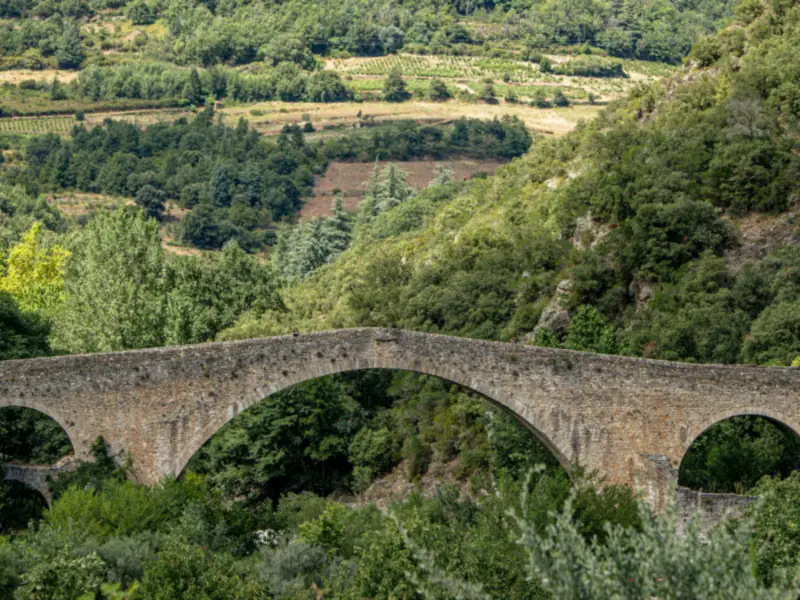
A cow's milk blue from the limestone Grands Causses, ripened in natural caves ventilated by fleurines, concentrated around Millau. Before 1925 such blues were made from cow's, ewe's or mixed milk; when Roquefort was recognised that year, cow's milk versions were excluded, and their makers built their own identity as Bleu de l'Aveyron, later renamed Bleu des Causses. Decrees of 1941 and 1946 laid the foundations of the appellation; the consortium and INAO date the AOC to 1979, and it became an AOP in 1996. Its area is mostly Aveyron, but the specification's area reaches into Hérault at Pégairolles-de-l'Escalette, north of Lodève.
Made in: Nearly all of Aveyron and parts of Lot, Lozère, Gard and Hérault; ripening only in caves of the Causses around Millau, Cornus, Campagnac, Peyreleau and Saint-Affrique, plus Trèves (Gard) and Pégairolles-de-l'Escalette (Hérault)
On the plate
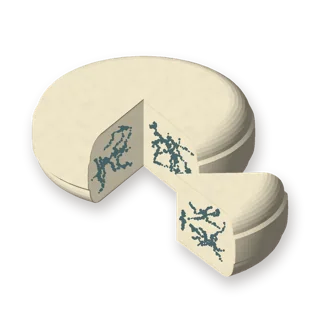
The consortium describes a frank character and an intense creaminess: the assertive power of a veined paste with a distinctive finesse on the palate. It says the cheese goes well with dried fruit and unusual breads, and can be cooked with from aperitif to dessert.
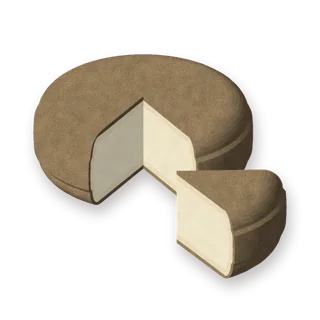
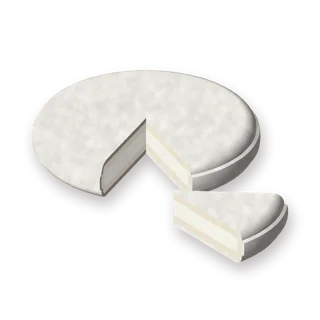
Rind: natural crust
Wine and cheese
What to pour with Bleu des Causses
Crémant de Limoux Languedoc
Our pick
Bleu des Causses is intense and creamy. A dry Crémant de Limoux, made sparkling in bottle from Chardonnay and Chenin with a little Mauzac or Pinot Noir, brings apple and citrus, fine bubbles and high acidity that cut the cream and reset the palate between bites.
Montpellier cheese shop founded by Cécile and Nina in the Saint-Denis quarter, ageing cheeses in cave and selling around 160 cheeses from cow, goat and sheep, with wines, groceries, made-to-order platters and cheese-and-wine tastings.
Halles de Narbonne stall under the line 'Aveyronnais pur beurre', on the former Gandolf counter and now held by Alain Sigaud, who advises by taste, menu or mood. It also lists delivery.
Halles de Narbonne stall that carries on the Crèmerie Lainé tradition, with Corine and Noémie behind the counter. It sells regional farmhouse and appellation cheeses, suggests matching them with fine honeys, country jams and the region's wines, and takes orders for party and aperitif boards.
Halles de Narbonne cheese stall held since 2001 by Frédéric Oulès, a Narbonne native and former caterer and restaurateur. The Halles' history page traces the stall back to 1895, through the Rouquet and Belzon families.
Hour-long guided tour of the working Roquefort Société caves in Roquefort-sur-Soulzon, Aveyron, beyond the Languedoc vineyards, ending with a tasting of the house's four Roquefort AOP cheeses. Two people minimum, daily; ripening cheeses are in the caves only from January to June.
Afternoon visit of a Pélardon goat farm near Faugères: the milking parlour, the bucks and the kids, with milking to watch, then tasting and buying at the farm shop. Open daily from mid-February to the end of October; the tourist board lists 13 February to 24 October 2026.
A longer guided visit of the Roquefort Société caves in Aveyron, beyond the Languedoc vineyards, with the four Roquefort AOP cheeses tasted alongside sweet flavour pairings and wine. The company lists it for April to August, with limited places and online booking only.
A two-hour visit of the Roquefort Société caves in Aveyron, beyond the Languedoc vineyards, led by the house's master affineur, ending with the four Roquefort AOP cheeses tasted with sweet flavour pairings and wine. The company calls it a July and August visit, one slot a day on one or two days a week, yet its ticket page lists sessions on 20 and 22 October 2026.
Free visit of the Gabriel Coulet caves in Roquefort-sur-Soulzon, Aveyron, beyond the Languedoc vineyards, open to walk in without booking all year except 1 January and 25 December. It ends with a free tasting of the house's sheep cheeses; the caves stay at 10 to 12 °C, so bring a layer.
MarketNarbonne centreevery day of the year, 7:00 to 14:00; Monday runs a reduced service
Covered Baltard-style market that opened on 1 January 1901, with 66 traders on the Halles' site, four of them cheese stalls. A regional tourism page calls Sunday morning, and the hour before noon for the local aperitif, especially lively; the Halles also run themed evening 'nocturnes' through the year.
Bleu des Causses: questions
How big is a Bleu des Causses?
A flat cylinder 19 to 21 cm across and 8 to 12 cm high, weighing 2.2 to 3.3 kg, according to the INAO specification; the consortium gives the same weight.
How does it differ from Roquefort?
It is made from cow's milk, where Roquefort uses sheep's milk, though both are ripened in cool natural caves with rock-fissure ventilation.