Bolzano: Loacker Wine Experience with Tasting
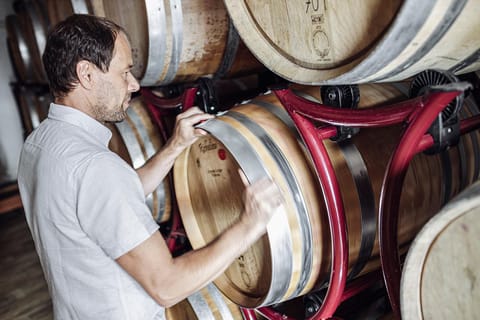
Discover the world of Loacker wines on a guided tour in Bolzano. Explore the vineyards, visit the barrel cellar, and enjoy a tasting of 6 wines at the panoramic SKYWIN...
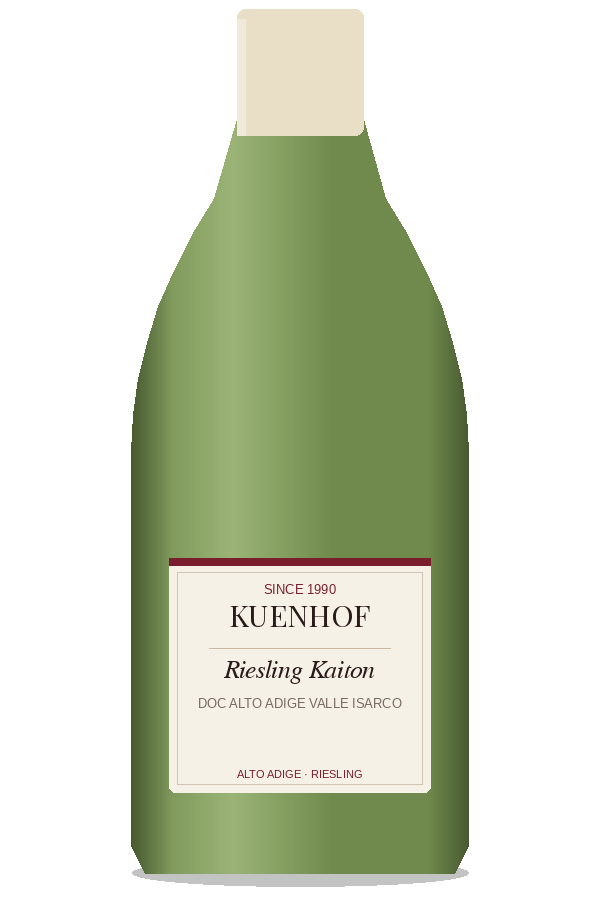 Straw to light gold
Still White · DOC Alto Adige Valle Isarco · Alto Adige
Riesling Kaiton from steep Lahner slopes: clear structure with intense mineral taste plus fruity and spicy aromas, in the middle-to-high ageing window of serious Alpine Riesling.
No critic score is published for this bottle that we can cite with a reviewer, a vintage and a review year, so none is shown. The rating in the header is our own.
Aroma: intense mineral, fruity, spice
Palate: clear structure, mineral, long
Riesling Kaiton from steep Lahner slopes: clear structure with intense mineral taste plus fruity and spicy aromas, in the middle-to-high ageing window of serious Alpine Riesling.
Kuenhof was an early adopter of Riesling in the Valle Isarco, planting on the steep Lahner slopes. 'Kaiton' is a Celtic word meaning forest. The Kaiton Riesling has been bottled for over three decades.
Clear structure with an intense mineral taste alongside fruity and spicy aromas. The wine is one of Italy's reference Rieslings, drawn from the steep Lahner slopes.
Drink between 5 and 15 years from vintage. The producer specifies middle-to-high ageing potential; serious Alpine Riesling holds its mineral spine for over a decade.
Kaiton is a Celtic word meaning forest. The name references the steep, forested slopes around Lahner where Kuenhof grows the cuvee.
On the steep Lahner slopes at 550-890 m in the Valle Isarco, on around 2.5 hectares of mica-slate and quartz-phyllite soils.
Discover the world of Loacker wines on a guided tour in Bolzano. Explore the vineyards, visit the barrel cellar, and enjoy a tasting of 6 wines at the panoramic SKYWIN...

Visit Verona and the Valpolicella wine region on a full-day tour. Enjoy a guided walking tour of Verona, taste Amarone and Valpolicella wines at a family-run winery, a...
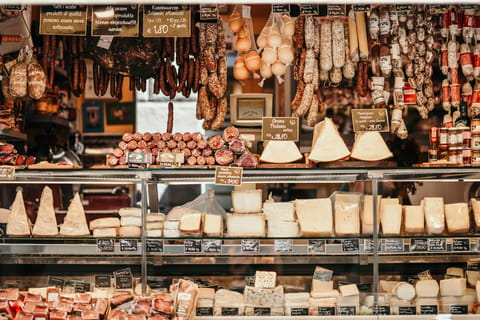
Discover the unique culinary tradition of Bolzano on a street food tour with a local guide. Visit food stalls and sample street food as you stroll through the historic...