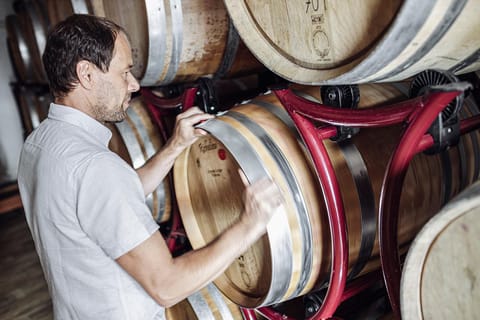
Bolzano: Loacker Wine Experience with Tasting
Discover the world of Loacker wines on a guided tour in Bolzano. Explore the vineyards, visit the barrel cellar, and enjoy a tasting of 6 wines at the panoramic SKYWIN...
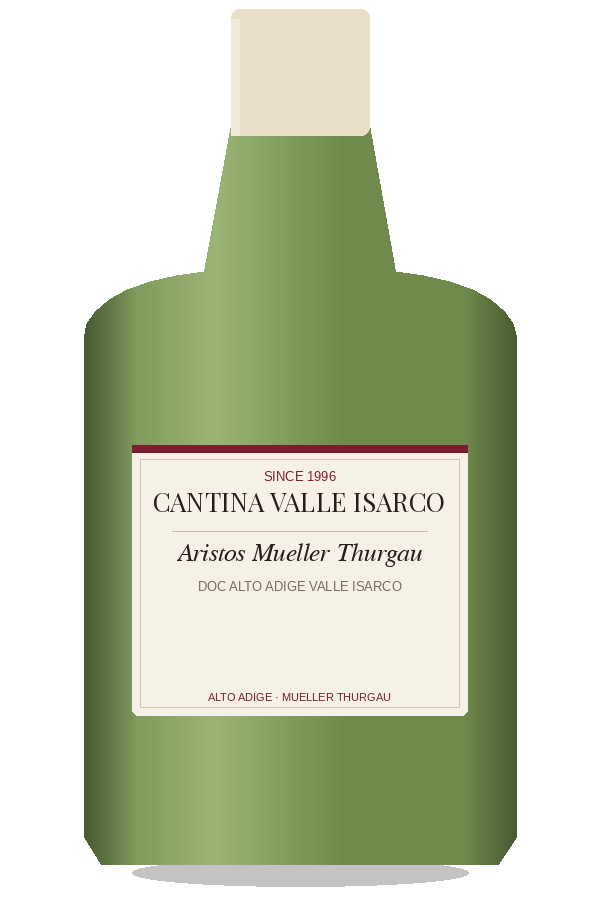 Straw to light gold
Still White · DOC Alto Adige Valle Isarco · Alto Adige
Aristos Mueller Thurgau from 800-970 m on dioritic weathering soils: intense aromatic nose with exotic-fruit and nutmeg signature; dry and fresh on the palate with mineral character and vibrant acidity.
No critic score is published for this bottle that we can cite with a reviewer, a vintage and a review year, so none is shown. The rating in the header is our own.
Aroma: exotic fruit, nutmeg, aromatic
Palate: dry, fresh, mineral, vibrant acidity
Aristos Mueller Thurgau from 800-970 m on dioritic weathering soils: intense aromatic nose with exotic-fruit and nutmeg signature; dry and fresh on the palate with mineral character and vibrant acidity.
Mueller Thurgau is a 1882 Geisenheim crossing of Riesling and Madeleine Royale that found a second home in Alto Adige's high plots. The Aristos bottling is sourced from 800-970 m around Kloster Saeben, where altitude amplifies the variety's nutmeg-spice signature.
Intense and pleasantly aromatic with exotic-fruit and nutmeg notes. The palate is dry and fresh with mineral character and vibrant acidity from 800-970 m altitude.
Drink within 1 to 5 years from vintage. The wine is built for primary-fruit freshness; it does not benefit from extended cellaring.
Apple-cabbage slaw, light pasta with olive oil, pan-fried mountain trout and speck-based aperitifs work well. The wine's vibrant acidity is its central pairing tool.
On dioritic weathering soils at 800-970 m elevation around Kloster Saeben in the Eisacktal valley.
Discover the world of Loacker wines on a guided tour in Bolzano. Explore the vineyards, visit the barrel cellar, and enjoy a tasting of 6 wines at the panoramic SKYWIN...

Visit Verona and the Valpolicella wine region on a full-day tour. Enjoy a guided walking tour of Verona, taste Amarone and Valpolicella wines at a family-run winery, a...
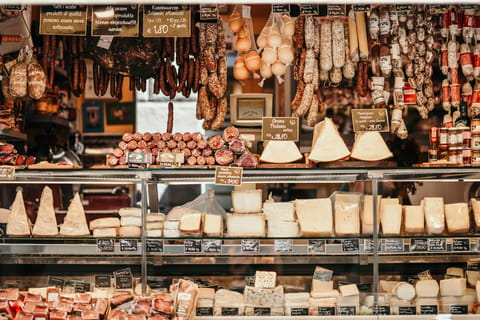
Discover the unique culinary tradition of Bolzano on a street food tour with a local guide. Visit food stalls and sample street food as you stroll through the historic...