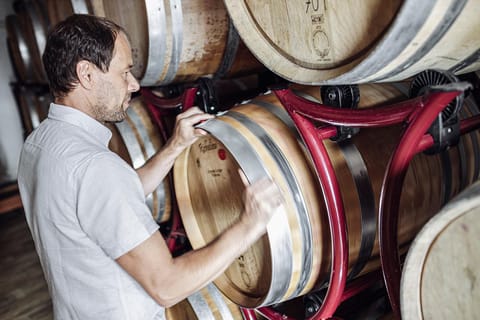
Bolzano: Loacker Wine Experience with Tasting
Discover the world of Loacker wines on a guided tour in Bolzano. Explore the vineyards, visit the barrel cellar, and enjoy a tasting of 6 wines at the panoramic SKYWIN...
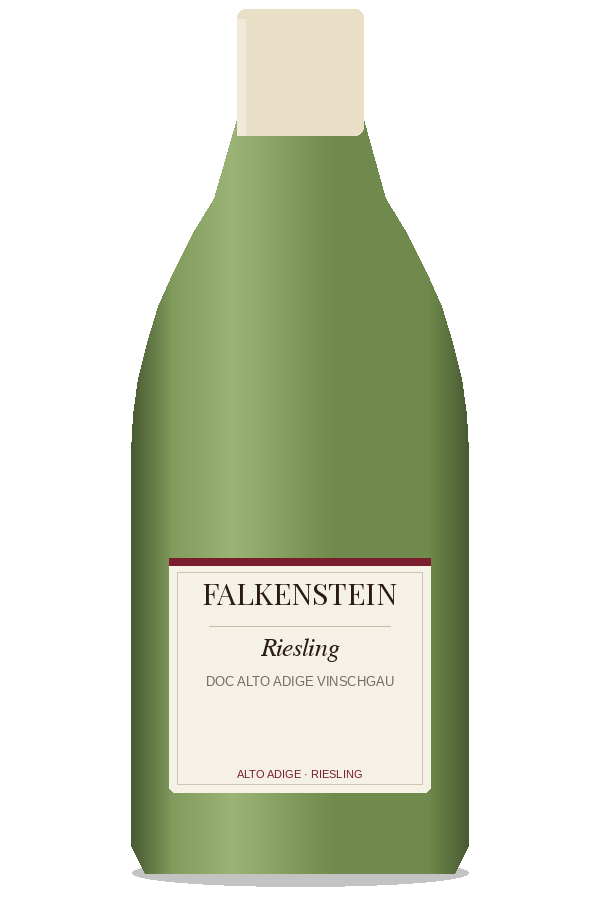 Pale gold
Still White · DOC Alto Adige Vinschgau · Alto Adige
Falkenstein Riesling from Naturno-Vinschgau on sandy soils interspersed with granite, gneiss, slate, mica and quartz: stone-fruit aromatics of apricot and peach with citrus elements, structured acidity and distinctive mineral qualities.
No critic score is published for this bottle that we can cite with a reviewer, a vintage and a review year, so none is shown. The rating in the header is our own.
Aroma: apricot, peach, citrus
Palate: structured acidity, mineral
Falkenstein Riesling from Naturno-Vinschgau on sandy soils interspersed with granite, gneiss, slate, mica and quartz: stone-fruit aromatics of apricot and peach with citrus elements, structured acidity and distinctive mineral qualities.
Falkenstein is a Naturno (Naturns) grower estate run by the Pratzner family in the Vinschgau valley. Riesling has been part of the cellar since 1995 and remains the cellar's flagship variety.
Stone-fruit aromatics of apricot and peach with citrus elements; structured acidity and distinctive mineral qualities from sandy soils interspersed with granite, gneiss, slate, mica and quartz.
Drink between 5 and 15 years from vintage. The acacia-barrel ageing (10 months on coarse lees) builds structure that supports long cellaring.
Fermentation and maturation in large acacia barrels for 10 months on coarse lees, followed by 5 months of bottle ageing. The acacia (rather than oak) preserves the variety's mineral signature.
In Naturno (Naturns) in the Vinschgau (Val Venosta) valley, the dry westernmost reach of Alto Adige - a continental climate that suits Riesling and Pinot Bianco.
Discover the world of Loacker wines on a guided tour in Bolzano. Explore the vineyards, visit the barrel cellar, and enjoy a tasting of 6 wines at the panoramic SKYWIN...

Visit Verona and the Valpolicella wine region on a full-day tour. Enjoy a guided walking tour of Verona, taste Amarone and Valpolicella wines at a family-run winery, a...
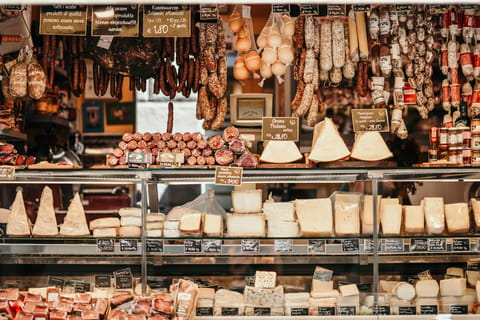
Discover the unique culinary tradition of Bolzano on a street food tour with a local guide. Visit food stalls and sample street food as you stroll through the historic...