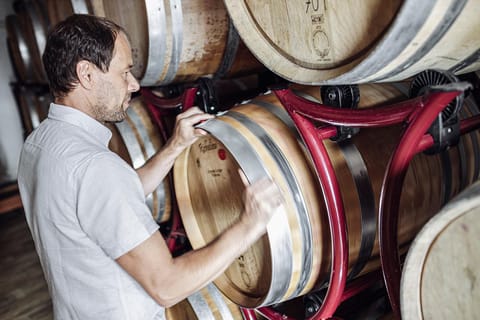
Bolzano: Loacker Wine Experience with Tasting
Discover the world of Loacker wines on a guided tour in Bolzano. Explore the vineyards, visit the barrel cellar, and enjoy a tasting of 6 wines at the panoramic SKYWIN...
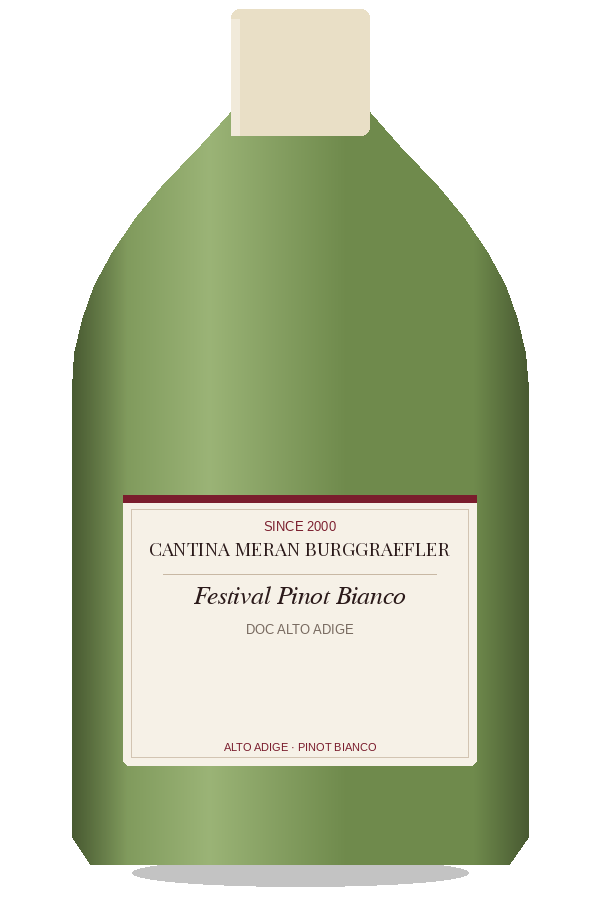 Straw to light gold
Still White · DOC Alto Adige · Alto Adige
Brilliant lemon-green Pinot Bianco from Labers, Marlengo, Merano and Tirolo at 450-550 m: fresh green-apple and citrus scents; complex and well balanced with vivid acidity, 5 months on fine lees.
No critic score is published for this bottle that we can cite with a reviewer, a vintage and a review year, so none is shown. The rating in the header is our own.
Aroma: green apple, citrus
Palate: complex, well balanced, vivid acidity
Brilliant lemon-green Pinot Bianco from Labers, Marlengo, Merano and Tirolo at 450-550 m: fresh green-apple and citrus scents; complex and well balanced with vivid acidity, 5 months on fine lees.
Festival is Cantina Meran's accessible Pinot Bianco from south-facing parcels around Merano. The 5 months on fine lees in stainless steel deliver a creaminess that distinguishes the wine from purely steel-raised peers, while preserving the bright apple-citrus signature.
Brilliant lemon-green colour with fresh scents of green apples and citrus fruits. The palate is complex and well balanced with vivid acidity at 13% alcohol.
Drink between 2 and 6 years from vintage. The 5 months on fine lees with partial malolactic conversion give the wine a small ageing window beyond pure primary fruit.
The producer recommends aperitifs, light starters, pan-fried fish and bread dumplings. Serve at 10-12 degrees C.
Five months on fine lees in small stainless steel tanks after partial malolactic conversion. No oak; the structure comes from lees contact rather than wood.
Discover the world of Loacker wines on a guided tour in Bolzano. Explore the vineyards, visit the barrel cellar, and enjoy a tasting of 6 wines at the panoramic SKYWIN...

Visit Verona and the Valpolicella wine region on a full-day tour. Enjoy a guided walking tour of Verona, taste Amarone and Valpolicella wines at a family-run winery, a...
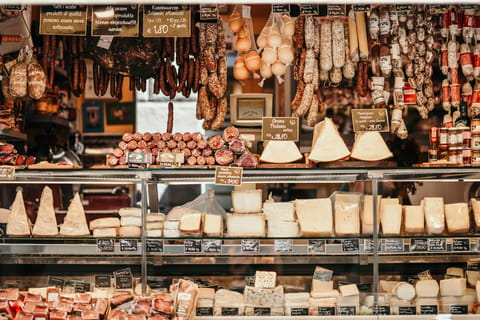
Discover the unique culinary tradition of Bolzano on a street food tour with a local guide. Visit food stalls and sample street food as you stroll through the historic...