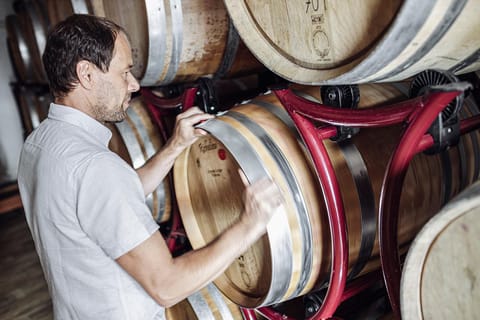
Bolzano: Loacker Wine Experience with Tasting
Discover the world of Loacker wines on a guided tour in Bolzano. Explore the vineyards, visit the barrel cellar, and enjoy a tasting of 6 wines at the panoramic SKYWIN...
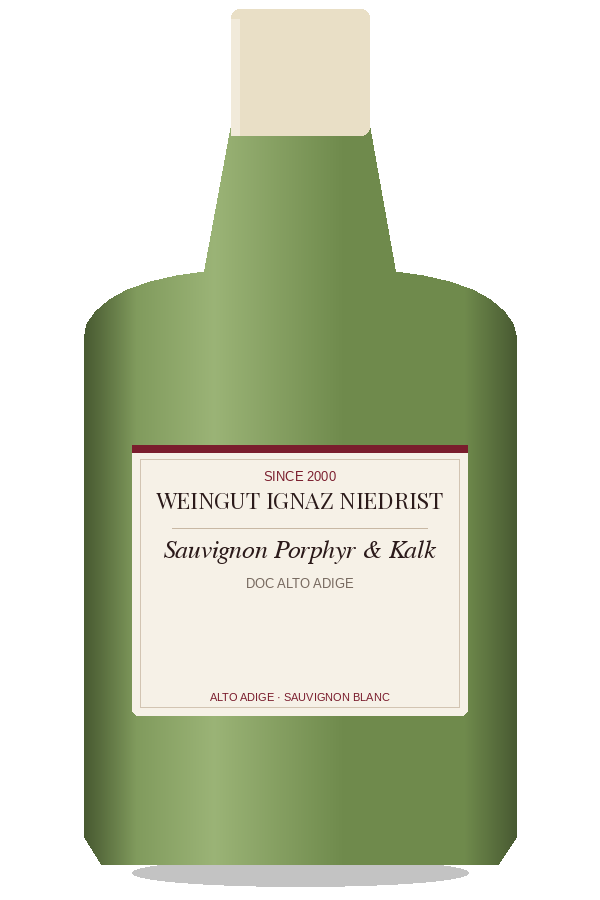 Straw to light gold
Still White · DOC Alto Adige · Alto Adige
Sauvignon from a Porphyr (volcanic) and Kalk (calcareous) site combination, the name itself describing the two soil profiles: classic elder-gooseberry-nettle aromatics, racy mineral palate.
No critic score is published for this bottle that we can cite with a reviewer, a vintage and a review year, so none is shown. The rating in the header is our own.
Aroma: elder, gooseberry, nettle
Palate: mineral, racy, structured
Sauvignon from a Porphyr (volcanic) and Kalk (calcareous) site combination, the name itself describing the two soil profiles: classic elder-gooseberry-nettle aromatics, racy mineral palate.
Porphyr & Kalk is Niedrist's Sauvignon from a two-soil combination - porphyry (volcanic) and limestone - that gives the wine its dual mineral signature. The naming convention is part of the producer's terroir-first approach to the variety.
Classic Sauvignon aromatics: elder, gooseberry and nettle. The palate is mineral, racy and structured from the dual porphyry-and-limestone soil base.
Drink between 3 and 8 years from vintage. Sauvignon is typically a young-drinking variety but Niedrist's mineral focus supports a slightly longer window.
The wine's name lists its two soil profiles: porphyry (volcanic rock) and Kalk (limestone). The dual-soil base gives the wine its layered mineral expression.
Goat-cheese salad, asparagus, sushi and herbed sea bass. High acidity and mineral structure are the wine's primary pairing tools.
Discover the world of Loacker wines on a guided tour in Bolzano. Explore the vineyards, visit the barrel cellar, and enjoy a tasting of 6 wines at the panoramic SKYWIN...

Visit Verona and the Valpolicella wine region on a full-day tour. Enjoy a guided walking tour of Verona, taste Amarone and Valpolicella wines at a family-run winery, a...
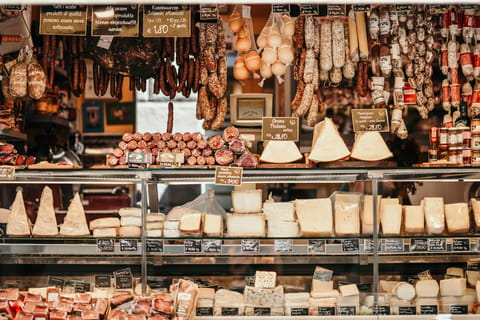
Discover the unique culinary tradition of Bolzano on a street food tour with a local guide. Visit food stalls and sample street food as you stroll through the historic...