When to visit Alentejo: harvest, en primeur and the calendar that shapes a cellar visit.
Spring
- Bud break, March (March):
The first green shoots appear on the Alentejo's bush vines and trellised rows as the plain warms. Estates finish bottling the previous year's whites and roses just as the new growing season gets underway.
What to taste: ['New-release Alentejo whites', 'Alentejo rose']
- Spring vineyard walks, April (April):
Mild temperatures and full canopies make April one of the most comfortable months to walk the Alentejo's cork oak and vine landscape before the plain turns hot. Estates open their gardens and tasting terraces for the spring season.
What to taste: ['Young Alentejo reds', 'Crisp Alentejo whites']
- ÉvoraWine in Praça do Giraldo, May (May):
The Alentejo's largest wine festival fills Evora's historic Praca do Giraldo with dozens of producers and hundreds of wines over a weekend of tastings, show cooking and live music, the highlight of the region's spring calendar.
What to taste: ['DOC Alentejo reds from across all eight subregions', 'Vinho de Talha']
Summer
- Fruit set and early summer, June (June):
The vines finish flowering and set their fruit as the plain's long, dry summer begins. Cellars quiet down between the spring festival season and the coming harvest push.
What to taste: ['Chilled Alentejo white', 'Alentejo rose']
- High summer heat, July (July):
The Alentejo regularly records Portugal's highest temperatures in July, and tastings move indoors to cool cellars and shaded courtyards. Grapes begin veraison as the fruit races to ripen ahead of a harvest that can start in late August.
What to taste: ['Chilled Alentejo white', 'Vinho de Talha served cool']
- The early Alentejo harvest begins, August (August):
Alentejo's hot open plains mean picking can start as early as late August. Estates near Evora such as Fitapreta open their vineyards for family-friendly harvest activities as the first grapes come in.
What to taste: ['Fermenting must straight from the tank', 'Early-picked Alentejo white']
Autumn
- The vindima and talha filling, September (September):
September is the heart of the Alentejo vindima. Around Vila de Frades, growers such as Honrado Vineyards still foot-tread grapes and fill the granite-lined talha by hand, continuing a fermentation method that predates the Roman era in the region.
What to taste: ['Freshly filled talha must', 'Estate Alentejo reds']
- Late harvest and new wine, October (October):
Later-ripening plots and higher ground finish picking as the plain's heat breaks. Cellars hum with fermenting must, and the first young reds of the vintage start to show their colour ahead of the November talha openings.
What to taste: ['Fermenting Alentejo reds', 'Just-pressed talha must']
- Sao Martinho and the talha tapping, November (November):
On Sao Martinho's day, 11 November, adegas around Vidigueira and Vila de Frades simultaneously open that year's talha to taste the new wine, a ritual formalised as the Abertura Simultanea das Talhas. Adega Vidigueira runs its own Wine Month of tastings and gastronomy through the same month, and Borba holds its long-running Festa da Vinha e do Vinho in mid-November.
What to taste: ['New wine straight from the talha', 'Jeropiga', 'Agua-pe']
Winter
- Winter pruning, January (January):
The plain is at its coolest and quietest as growers prune the bush-trained and trellised vines. Cellars spend the month racking and blending the previous vintage, and estates that welcome visitors year-round are at their calmest, with no crowds ahead of the tasting room fires.
What to taste: ['Barrel samples of the new vintage', 'Mature Alentejo reds']
- Cellar blending and quiet touring, February (February):
Winemakers finalise the blends that will become the year's DOC Alentejo releases while the last of the pruning wraps up on the plain. It remains one of the least crowded months to book an estate visit before the spring calendar of wine fairs opens.
What to taste: ['Freshly blended DOC Alentejo reds', 'Prior-vintage whites']
- VITIFRADES and the year's new wine, December (December):
Vila de Frades closes out the talha wine calendar with VITIFRADES, the Baquicas Festivities, a weekend of tastings, workshops and a producer trail celebrating the season's new talha wine before the cellars settle in for winter.
What to taste: ['New-vintage Vinho de Talha', 'Young Alentejo reds']
Book wine experiences in Alentejo

Day trip4 hours4.8 from 17 reviewsfrom €70
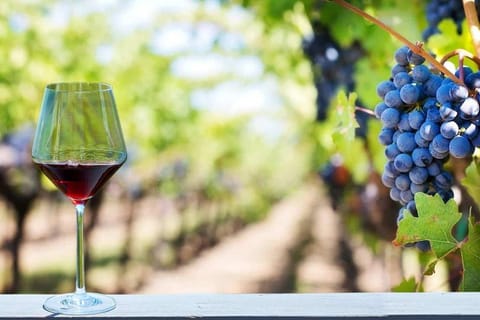
This tour is about two very important products for the Alentejo region: wine and cork. Come and discover the process from cork harvesting to the final bottle of wine. ...
Private tour3 hoursfrom €240
Taste award-winning wines, learn from local winemakers, and immerse yourself in the authentic Portuguese wine tradition. Includes a visit to the winery and a tasting o...
Private tour9 hoursfrom €120
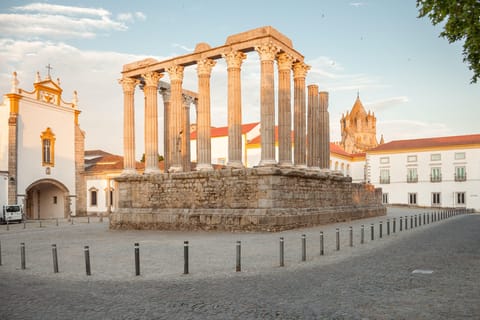
Discover Alentejo’s timeless charm with a visit to UNESCO-listed Évora, medieval Monsaraz, a local wine tasting, and breathtaking views from Cristo Rei overlooking Lis...
See all 424 bookable experiences in Alentejo
Seasonal in Alentejo, FAQ
When is the best time to visit Alentejo for wine?
Peak wine-travel season in Alentejo is spring through autumn, with harvest the standout window.
Do I need an appointment to taste at Alentejo estates?
classified-growth and grand-cru estates require booking days to weeks ahead; smaller family domaines often take walk-ins midweek.
What hours do Alentejo cellars and tasting rooms keep?
most estates open 10:00 to 17:00 by appointment, often closed Sunday and Monday.
How does tipping work at Alentejo tastings?
tipping is not expected at tastings; buying a bottle from the cellar door is the customary thank-you.
What is the one wine to try in Alentejo?
Ask the next local you meet what they would order. Alentejo rewards trust.