Aragonez ★ 4.6
The Alentejo name for Tempranillo, called Tinta Roriz further north. Early ripening and vigorous, it is usually blended here with Trincadeira and Alicante Bouschet.
The grapes that define Alentejo: the canonical varietals and how the region expresses them.
The grapes that define Alentejo: the canonical varietals and how the region expresses them.
The Alentejo name for Tempranillo, called Tinta Roriz further north. Early ripening and vigorous, it is usually blended here with Trincadeira and Alicante Bouschet.
Called Tinta Amarela in the Douro. Rot prone and hard to grow, it is at home in hot, dry Alentejo, giving raspberry fruit with herby, peppery, floral lift.
A red fleshed teinturier the Reynolds family brought to the Alentejo over a century ago, first planted at Herdade do Mouchao in the late 1800s.
A Dao and Douro native now planted across the Alentejo. Low yields and thick, tannin rich skins give colour, structure and herb and liquorice notes to warm reds.
A Dao grape that spread south because it holds acidity in the heat. In Alentejo it sits in the Vidigueira and Moura lists, giving colour and ripe blackberry fruit.
Also known as Periquita, this southern red is planted through all eight Alentejo sub-regions. Tannic and rustic young, the best old vine wines age remarkably well.
CVRA rates Syrah the imported variety best adapted to Alentejo heat. It gives full bodied, peppery reds, used mostly in small amounts within regional blends.
An Alentejo native grown almost exclusively around Vidigueira until recently. Tough skins survive the heat, giving firm whites with tangerine and mineral notes.
Grown across Portugal but most useful in the Alentejo, where its firm acidity is hard to come by. Discreet green apple, lime and lemon lift richer white blends.
Known as Siria in the Beiras and as Alva locally, Roupeiro is planted widely across the Alentejo. Exuberantly citrus and floral, it is best drunk young.

This tour is about two very important products for the Alentejo region: wine and cork. Come and discover the process from cork harvesting to the final bottle of wine. ...
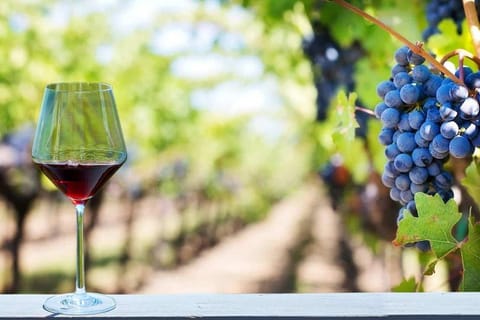
Taste award-winning wines, learn from local winemakers, and immerse yourself in the authentic Portuguese wine tradition. Includes a visit to the winery and a tasting o...
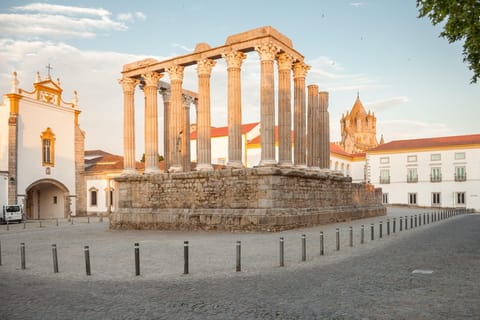
Discover Alentejo’s timeless charm with a visit to UNESCO-listed Évora, medieval Monsaraz, a local wine tasting, and breathtaking views from Cristo Rei overlooking Lis...
Peak wine-travel season in Alentejo is spring through autumn, with harvest the standout window.
classified-growth and grand-cru estates require booking days to weeks ahead; smaller family domaines often take walk-ins midweek.
most estates open 10:00 to 17:00 by appointment, often closed Sunday and Monday.
tipping is not expected at tastings; buying a bottle from the cellar door is the customary thank-you.
Ask the next local you meet what they would order. Alentejo rewards trust.