PDO, first protected 1988Sheep and goat milk, bothOtherAlso Φέτα
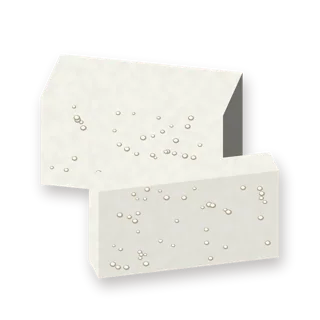
Greece's brined white cheese, made from sheep milk or sheep milk with up to 30 percent goat milk, raw or pasteurised, soft and crumbly with small or no holes and no skin. The Peloponnese, which includes Corinthia and the Nemea plain, is inside the zone: Greece's application lists it, and Regulation 1829/2002 limits the name to mainland Greece and Lesbos. Greece protected the area in 1988 and recognised the PDO in January 1994. The EU registered it in 1996, the Court of Justice annulled that entry in 1999, and the registration in force dates from 2002. Stymfalia, at the foot of Mount Ziria in Corinthia, sells PDO feta in a wooden barrel and in containers.
Taste: English Wikipedia describes a soft cheese, crumbly with a slightly grainy texture, formed into large blocks and aged in brine. Its flavour is tangy and salty, ranging from mild to sharp.
Ageing: Ripened at least 2 months, in brine
Made in: Mainland Greece and the department of Lesbos
Sheep and goat milkHardNatural rindAlso Γραβιέρα
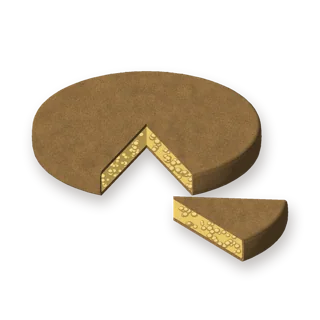
A hard Greek cheese made in wheels, resembling gruyère, from whose name graviera derives; English Wikipedia calls it Greece's second most popular cheese after feta. Three gravieras hold EU PDO status (Crete, Naxos, Agrafa); this is the plain, unprotected type, not one of them. Stymfalia in mountain Corinthia makes a yellow graviera with small holes from sheep and goat milk, in heads of 5 to 9 kg, and Katsouli in the Argolid matures one for at least three months. Semeli at Koutsi serves graviera with its tastings.
Taste: Stymfalia calls its graviera slightly sweet or spicy, with small holes. Katsouli, in the Argolid, describes a semi-hard cheese with a refined, full flavour that melts slightly in the mouth, sweet and rich.
Ageing: At least 3 months (Katsouli, Argolid)
Made in: Made across Greece; in this area by dairies of Corinthia and the Argolid

Sheep and goat milkHardAlso Κεφαλοτύρι
A hard, salty white cheese made from sheep milk, goat milk or both in Greece and Cyprus; the name joins the Greek words for head and cheese, possibly after the wheel's shape. It is not a protected name, unlike the similar kefalograviera, an EU PDO since 1996. Katsouli at Koliaki in the Argolid makes it from local sheep and goat milk and matures it at least six months. The All About Peloponnisos guide to Corinthia lists kefalotyri among the cheeses to look for at small family-run dairies. It is grated, fried as saganaki or put on a platter.
Taste: Katsouli describes a rich, lightly spicy, brackish taste and a hard but creamy texture. English Wikipedia adds that wheels a year old or more are stronger and are eaten as a meze with ouzo.
Ageing: Two to three months for young cheeses, a year or more for aged ones (English Wikipedia); Katsouli in the Argolid matures its wheels at least 6 months
Made in: Greece and Cyprus; in this area made in the Argolid and listed among the cheeses of Corinthia's small dairies
Sheep and goat milk, pasteurisedHardAlso Ζηρειοτύρι
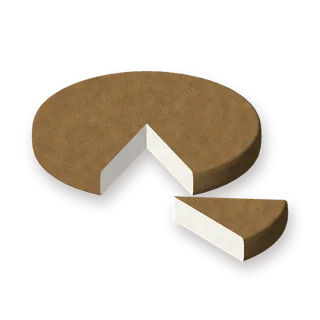
A hard, salty and lightly spicy cheese of mountain Corinthia, named after Mount Ziria, above Stymfalia. The All About Peloponnisos guide to Corinthia lists 'the local ziriotyri, hard and spicy' among the cheeses of the area's small dairies. Stymfalia SA at Kaliani makes it only from pasteurised sheep and goat milk and ripens it at least three months, in heads of 1 to 3 kg, plain or with pepper or oregano grains. It is a local type, not a protected name.
Taste: Stymfalia calls it salty and spicy, with at least three months of ageing. It is sold as a table cheese and recommended for saganaki, cheese pies and grating over pasta.
Ageing: At least 3 months
Made in: Mountain Corinthia, around Mount Ziria and Stymfalia
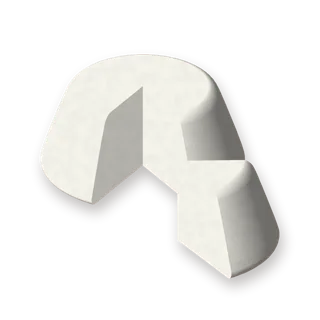
Sheep and goat milkWheyAlso Ανθότυρο
A traditional Greek whey cheese made from sheep or goat milk and whey. The fresh kind is white and soft or medium-firm, sweet and creamy, with no rind and no salt, commonly a truncated cone, and is eaten at breakfast with honey and fruit; the dry kind is hard and salty and is grated. Stymfalia at Kaliani makes it from sheep and goat whey with fresh milk. The All About Peloponnisos guide lists antho cheeses among the products of Corinthia's small dairies. It is not a protected name.
Taste: Stymfalia calls it semi-sweet and lower in fat. English Wikipedia describes the fresh kind as sweet and creamy without salt, and the dry kind as hard, dry, white and salty.
Ageing: Eaten fresh; a dry version is matured
Made in: Made across Greece; in this area by dairies of Corinthia and the Argolid
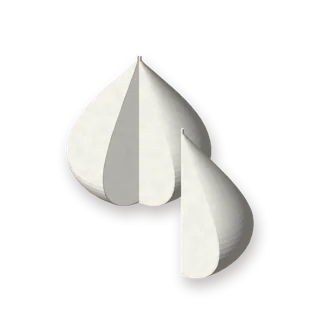
Sheep and goat milkWheyAlso Μυζήθρα
A Greek whey cheese, or mixed milk and whey cheese, from sheep or goats, eaten fresh or salted, aged and grated. Fresh mizithra is soft, snow-white and creamy, hung in a bag so it has a rounded bottom and a conical, wrinkly top. Stymfalia at Kaliani makes a salty, spicy mizithra from sheep and goat whey with fresh milk, dry enough to keep a long time, and Gaia's winery at Koutsi serves handmade pasta with chicken and myzithra in its Village Flavors meal. Plain mizithra is not a protected name; Crete's Xynomyzithra Kritis is an EU PDO.
Taste: English Wikipedia describes fresh mizithra as soft, snow-white, creamy and moist, with an almost sweet, milky taste. Stymfalia's mizithra is salty and spicy and is grated over pasta.
Ageing: Eaten fresh within days; a salted, dried kind keeps for a long time
Made in: Made across Greece; in this area by dairies of Corinthia and the Argolid