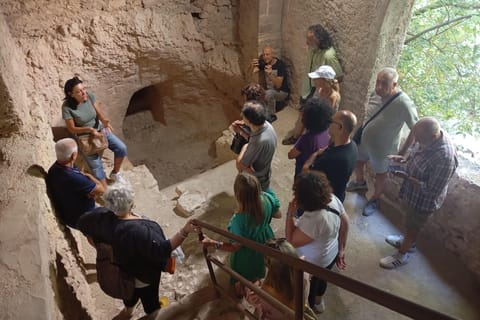
Raiano: Guided Walking Tour with Olive Oil & Gelato Tasting
Explore Raiano’s mural-lined historic center on a guided walking tour. Follow the Aterno River through the San Venanzio Nature Reserve to historic mills, then taste ol...
 Straw to light gold
Still White · Trebbiano d'Abruzzo DOC · Abruzzo
Pure Trebbiano abruzzese from Controguerra at 270 metres, kept entirely in steel. Straw yellow with green highlights, a delicate fruity nose enriched by white flowers, and a dry, fresh palate.
No critic score is published for this bottle that we can cite with a reviewer, a vintage and a review year, so none is shown. The rating above is our own.
Aroma: orchard fruit, white flowers
Palate: orchard fruit, citrus
Pure Trebbiano abruzzese from Controguerra at 270 metres, kept entirely in steel. Straw yellow with green highlights, a delicate fruity nose enriched by white flowers, and a dry, fresh palate.
Explore Raiano’s mural-lined historic center on a guided walking tour. Follow the Aterno River through the San Venanzio Nature Reserve to historic mills, then taste ol...

Discover Pescara on a walking tour. From the Ponte del Mare, along the river and across the bridge, we will reach Pescara Vecchia, the places associated with D'Annunzi...
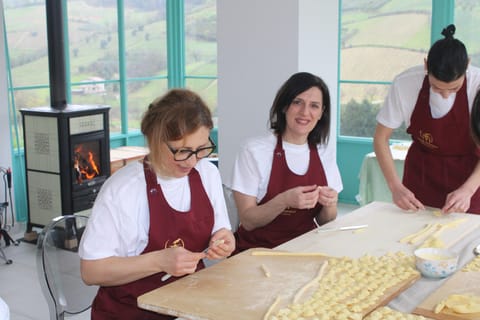
Discover the secrets of Abruzzo cuisine with a cooking class at Torre Monache in Villamagna. Learn to make authentic dishes, enjoy a shared meal, and try some wine fro...
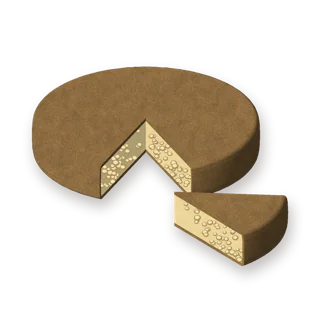 Pecorino di Atri
Our pick Young Pecorino di Atri, eaten at about 10 days, is soft, white and faintly acidic. A Trebbiano d'Abruzzo with high acidity echoes that and keeps the pairing light and fresh.
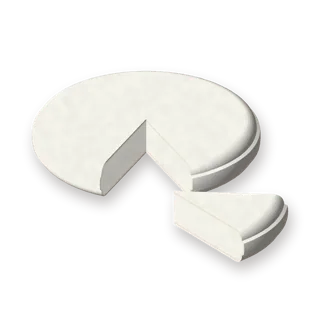 Giuncata abruzzese
Our pick Fresh, creamy giuncata has the acidic taste and smell of fresh curd. A dry Trebbiano d'Abruzzo with high acidity matches that tang, and its delicate fruit keeps the pairing light instead of covering the milk.
Illuminati describes a straw-yellow colour with green highlights, a delicate fruity aroma enriched by white flowers, and a palate that is dry and fresh with an intrinsic harmony.
It is a denomination requiring at least 85 percent Trebbiano abruzzese and Trebbiano toscano. Costalupo is made from Trebbiano abruzzese alone.
In vineyards at Controguerra, 270 metres above sea level on fairly loose soil with small amounts of clay, tempered by the Adriatic breeze.