Key eras
Roman and medieval viticulture
1st century AD to 12th century
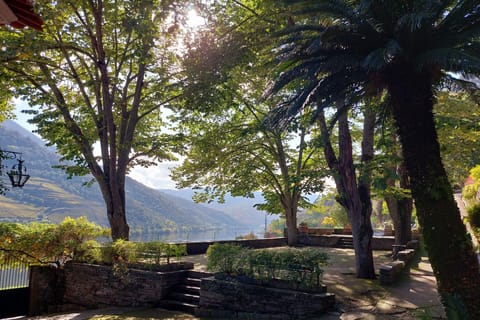
Vines have grown on the schist slopes of the upper Douro since Roman times, with terraced cultivation expanding under medieval monastic estates.
The UNESCO inscription for the Alto Douro Wine Region records close to two thousand years of continuous wine production shaping the valley's cultural landscape.
The Methuen Treaty, 1703
1703
The Methuen Treaty between England and Portugal capped the duty on Portuguese wines well below that levied on French wine. With war cutting England off from claret, Port surged in popularity and English merchants entrenched their trade in the Douro and across the river in Vila Nova de Gaia.
The 1703 treaty set the levy on Portuguese wine at roughly a third of the French rate, and by 1710 most English shippers had established lodges in Gaia.
Rise of the Gaia shippers
1690s to 1750s
British trading houses such as Warre, Croft and Taylor established themselves as shippers, ageing wine in the cool lodges of Vila Nova de Gaia before export down the Douro.
Taylor Fladgate traces its origins to 1692 and remained an independent family shipper; British lodges clustered in Gaia from the early 18th century.
The 1756 demarcation and the Companhia Geral
1756
The Marques de Pombal created the Companhia Geral da Agricultura das Vinhas do Alto Douro and formally demarcated the region, making the Douro the oldest demarcated and regulated wine region in the world.
The 1756 demarcation predates the Bordeaux and Burgundy classifications by more than a century and is documented across regional and trade histories.
Marcos pombalinos, the granite border pillars
1758 to 1761
To make the demarcation physical, carved granite pillars known as marcos pombalinos were placed along the boundaries of the region. They remain among the oldest surviving demarcation markers of any wine region and are part of the UNESCO cultural landscape.
Surveys record carved granite marcos pombalinos placed to fix the regulated boundary of the Alto Douro.
Dona Antonia Adelaide Ferreira
1811 to 1896
Known as the Ferreirinha, Dona Antonia Adelaide Ferreira became the most influential figure of the 19th century Douro, expanding vineyards, founding estates and steering the trade through the phylloxera crisis.
Quinta do Vale Meao was founded by Dona Antonia Adelaide Ferreira in 1877 and remains in her family line today.
The phylloxera crisis
1863 to 1880s
Phylloxera reached the Douro in the 1860s and devastated production through the following decades. Recovery came through grafting onto American rootstock, which reshaped vineyard layout and farming and left abandoned terraces, the mortorios, scarring the hillsides.
Phylloxera is recorded reaching the Douro in 1863, with recovery led by American rootstock grafting over the following two decades.
Casa do Douro and 20th century regulation
1907 to 1933
Boundary revisions and new regulatory bodies through the early 20th century formalised the modern demarcation. The Casa do Douro and the vineyard registration system controlled which parcels could declare Port, codifying the quality hierarchy of the region.
Successive boundary revisions and the founding of regulatory bodies in the early 20th century are documented in regional Douro DOC histories.
Barca Velha and the birth of fine Douro red, 1952
1952
Fernando Nicolau de Almeida of Casa Ferreirinha created Barca Velha in 1952, returning from Bordeaux determined to make a great unfortified red from Douro terroir.
Casa Ferreirinha released the inaugural Barca Velha vintage in 1952, with only a small number of declared vintages made since.
The Douro DOC for still wine
1979 to 1982
Unfortified Douro reds and whites gained their own controlled appellation, the Douro DOC, separate from the Porto designation. The same grapes that made Port could now carry a recognised still-wine origin, opening the door to the modern table-wine boom.
The Douro DOC for non-fortified wine sits alongside the Porto designation as Portugal's highest classification level for the region.
EU accession and investment, 1986
1986
Portugal joined the European Community in 1986, bringing investment, modern winemaking equipment and export access. Single-quinta bottlings and temperature-controlled cellars spread, accelerating the shift from bulk Port toward premium still wine and estate-bottled Port.
EU accession in 1986 is widely cited as the catalyst for modernisation of Douro winemaking and the still-wine expansion that followed.
The single-quinta vintage Port era
1980s to 1990s
Shippers began bottling single-quinta vintage Ports in non-declared years, naming the source estate such as Quinta dos Malvedos or Quinta de Vargellas.
Major houses including Graham's and Taylor's market single-quinta vintage Ports tied to named estates such as Quinta dos Malvedos and Quinta de Vargellas.
The Douro Boys and the table-wine boom
2002 onward
A marketing alliance of family estates including Vallado, Crasto, Vale Meao, Niepoort and Quinta do Vale Dona Maria pushed dry Douro reds onto the world stage in the 2000s.
The Douro Boys group formed in the early 2000s to promote premium Douro table wines internationally and continues to list its founding estates.
UNESCO World Heritage listing, 2001
2001
UNESCO inscribed the Alto Douro Wine Region as a World Heritage cultural landscape in 2001, recognising the terraced vineyards shaped by centuries of human labour. The listing cemented the valley's status and protected its dramatic schist terraces.
UNESCO inscribed the Alto Douro Wine Region in 2001 as a cultural landscape under the World Heritage Convention, list reference 1046.
The organic and biodynamic shift
1999 to present
Producers led by Niepoort began converting Douro vineyards to organic farming from the late 1990s, with biodynamic practice spreading across the schist terraces.
Niepoort has farmed organically since 1999, and Quinta do Vallado's Quinta do Orgal gained organic certification with effect from 2012.
Wine tourism and the quinta-stay era
2007 to present
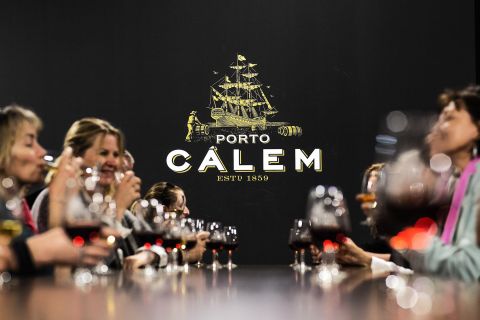
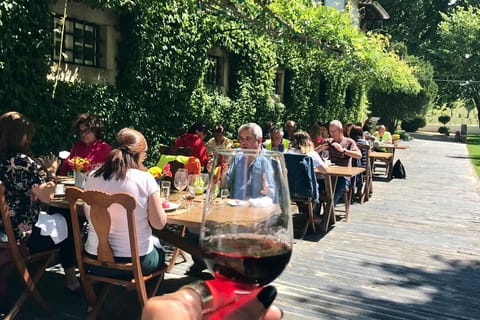
Estate hotels, river cruises and harvest experiences turned the Douro into a leading wine-tourism destination through the 2010s. Quintas opened their cellars and lagares to visitors, and Gaia lodges rebuilt their tasting spaces for an international audience.
Estates including Quinta do Crasto and the Gaia lodges run public wine-tourism programmes documented on their own visit pages.
The modern still-wine boom
2010 to present
Dry Douro reds and increasingly whites now rival Port in prestige, with single-vineyard field blends from old mixed-planted parcels drawing top international scores.
Premium dry Douro reds from estates such as Wine and Soul and Vale Meao consistently feature in international critic reviews and trade portfolios.