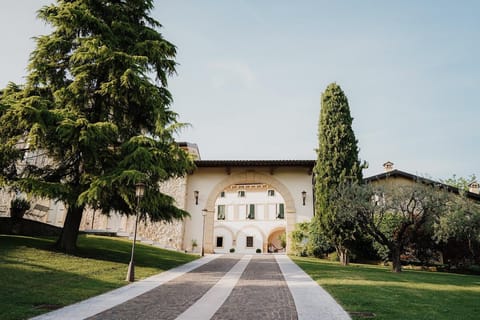
Valpolicella Classica: Visit and tasting at Corte Borghetti
Visit the vineyards and winery of Corte Borghetti and taste 5 wines in the 17th-century barrel cellar, with cold cuts and cheeses from Lessinia, extra virgin olive oil...
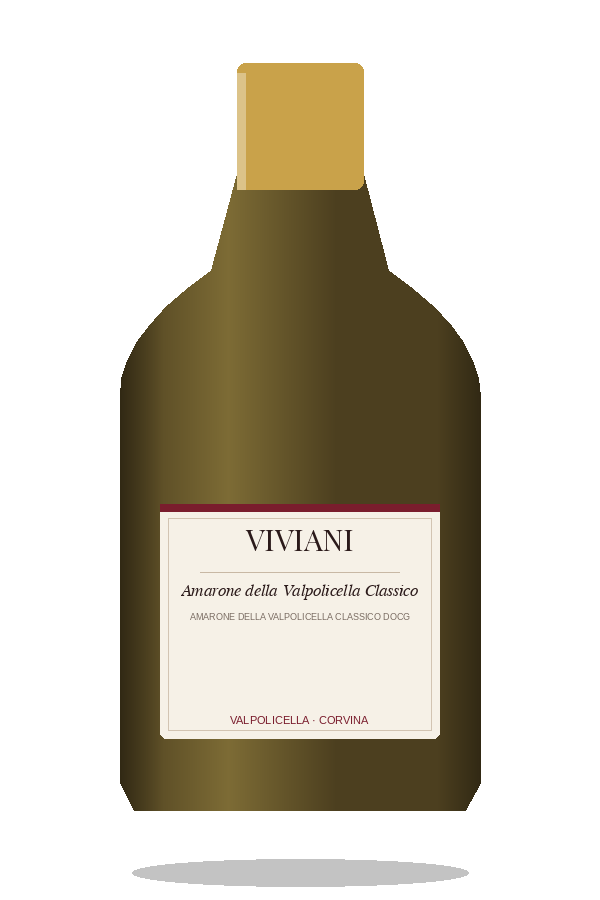 Gold, deepening to amber with age
Dessert Passito · Amarone della Valpolicella Classico DOCG · Valpolicella
Full-bodied, intense and elegant, holding the character of grapes picked at altitude: aromatic herbs and wild flowers, dry and carried by real power.
No critic score is published for this bottle that we can cite with a reviewer, a vintage and a review year, so none is shown. The rating in the header is our own.
Aroma: aromatic herbs, wild flowers
Full-bodied, intense and elegant, holding the character of grapes picked at altitude: aromatic herbs and wild flowers, dry and carried by real power.
Viviani's Amarone comes from the estate's high vineyards at Mazzano above Negrar, and the estate attributes the wine's herbal and wild-flower register directly to the altitude at which the grapes are grown. The bunches are dried through the winter before a slow fermentation.
The estate calls it a red of great importance, full-bodied, intense and elegant, keeping the typical scents of grapes harvested at altitude, with recognisable aromatic herbs and wild flowers. It is dry and supported by considerable power.
Between five and twenty-five years from the vintage. Open a young bottle an hour or two ahead; older bottles need care with sediment.
No. Amarone is made from dried grapes but fermented dry, and Viviani's own note describes the wine as asciutto, meaning dry.
Visit the vineyards and winery of Corte Borghetti and taste 5 wines in the 17th-century barrel cellar, with cold cuts and cheeses from Lessinia, extra virgin olive oil...
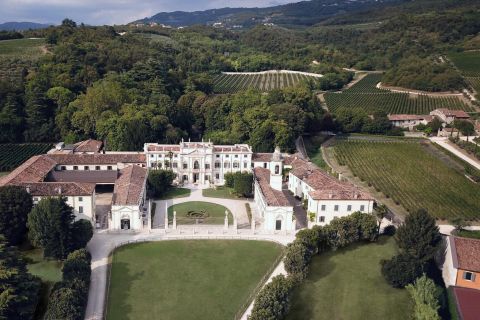
Embark on an immersive experience in Valpolicella and discover the history, art, vineyards and excellent contemporary wines on a tour of Tenuta Santa Maria owned by Gi...
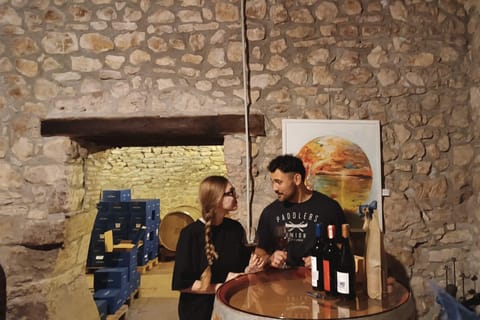
A "well-rounded" tasting of Valpolicella wines: 5 wines that will give you an overview of our production and introduce you to the particularities of the typical varieties