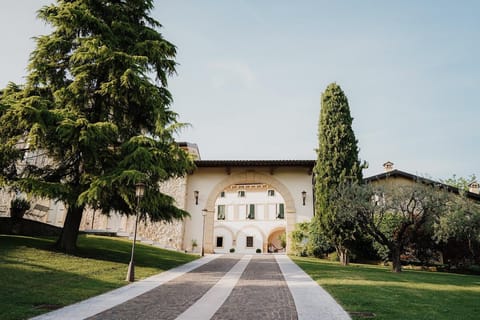
Valpolicella Classica: Visit and tasting at Corte Borghetti
Visit the vineyards and winery of Corte Borghetti and taste 5 wines in the 17th-century barrel cellar, with cold cuts and cheeses from Lessinia, extra virgin olive oil...
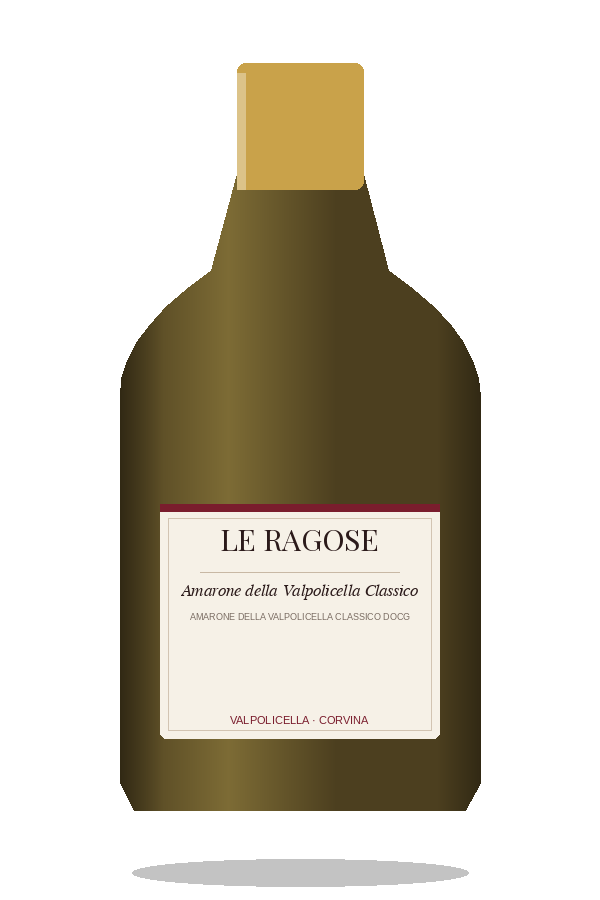 Gold, deepening to amber with age
Dessert Passito · Amarone della Valpolicella Classico DOCG · Valpolicella
Intense and extraordinarily powerful, with a concentrate of sour cherry conserve, dense and harmonious in the mouth, rich and dry with tannins built for a long development in bottle.
No critic score is published for this bottle that we can cite with a reviewer, a vintage and a review year, so none is shown. The rating in the header is our own.
Aroma: concentrated sour cherry jam
Palate: dense harmonious fruit, dry rich core
Intense and extraordinarily powerful, with a concentrate of sour cherry conserve, dense and harmonious in the mouth, rich and dry with tannins built for a long development in bottle.
Grapes for the Amarone are hand-selected in September into seven-kilo plateaux and dried in a humidity- and temperature-controlled fruttaio until December or January, roughly ninety days, then fermented on indigenous yeasts for twenty to thirty days and given seven to eight years in large Slavonian casks.
The estate describes an intense, extraordinarily powerful wine with a concentrate of sour cherry conserve, dense and harmonious, rich and dry on the palate with tannins that allow a long development in bottle.
Eight to ten months in steel storage tanks followed by seven to eight years in 50 hectolitre Slavonian oak casks.
Hand-selected in September into small seven-kilo plateaux and dried in a fruttaio with controlled humidity and temperature until December or January, around ninety days.
Visit the vineyards and winery of Corte Borghetti and taste 5 wines in the 17th-century barrel cellar, with cold cuts and cheeses from Lessinia, extra virgin olive oil...
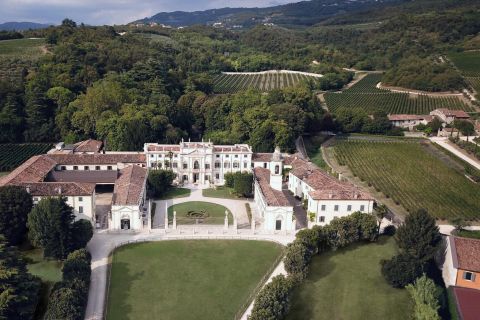
Embark on an immersive experience in Valpolicella and discover the history, art, vineyards and excellent contemporary wines on a tour of Tenuta Santa Maria owned by Gi...
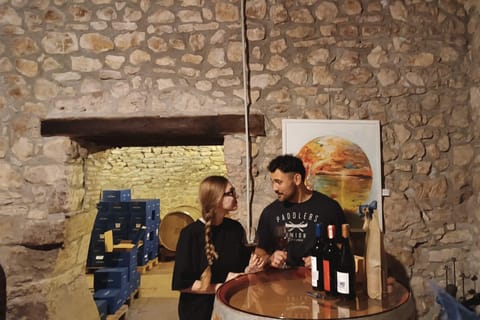
A "well-rounded" tasting of Valpolicella wines: 5 wines that will give you an overview of our production and introduce you to the particularities of the typical varieties