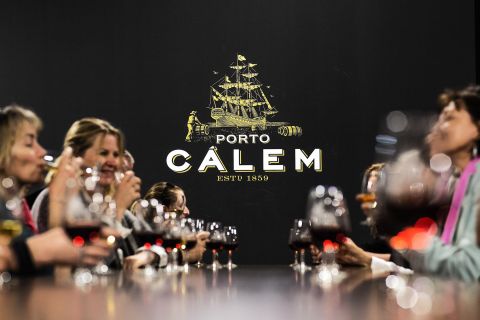
Porto: Cálem Cellar Tour, Interactive Museum & Wine Tasting
Tradition meets innovation at Calem Cellars in Porto. Join a host on an immersive journey, part museum, part working winery, revealing the art behind winemaking, agein...
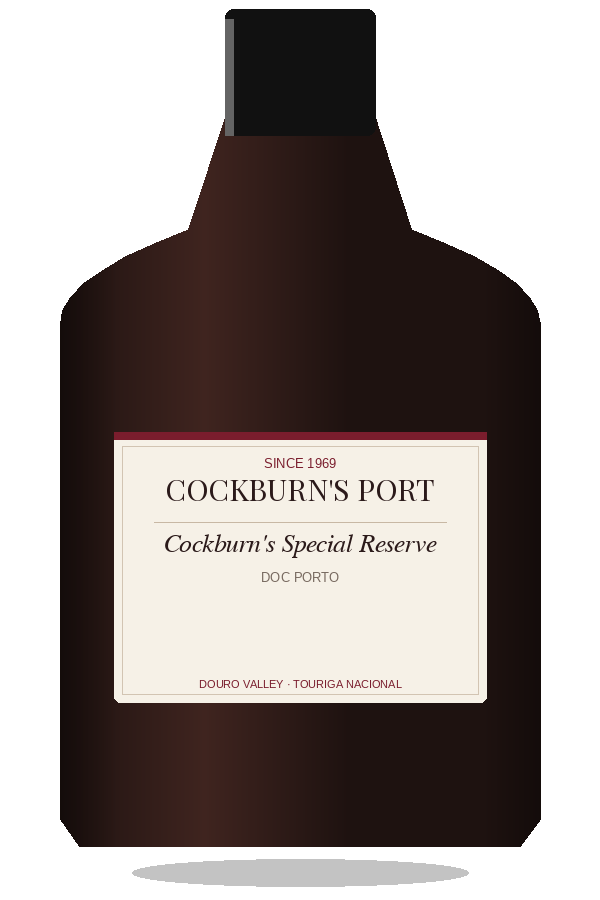 Deep ruby to purple
Fortified Port · DOC Porto · Douro Valley
One of the UK's best-loved reserve rubies, smooth and fruit-driven with a gently dry Cockburn's finish.
| Critic | Vintage | Score |
|---|---|---|
| Wine Spectator reviewed 2018 | 87/100 |
Scores as published by each critic for the vintage shown.
Allow 65 minutes from open to pour.
Cockburn's Special Reserve became one of the best-selling reserve rubies in the UK market.
Structurally full-bodied, medium tannins, medium acidity with a medium finish. One of the UK's best-loved reserve rubies, smooth and fruit-driven with a gently dry Cockburn's finish.
Drink 0 to 2 from release. Young vintages benefit from 30-90 minutes of decanting; mature bottles should be handled carefully for sediment.
Cheese board is the canonical pairing. Other strong matches include Chocolate dessert and Walnut cake. An everyday reserve for cheeses.
The blend is Touriga Nacional, Touriga Franca, Tinta Roriz, Tinta Barroca. The wine is classified as DOC Porto.
Tradition meets innovation at Calem Cellars in Porto. Join a host on an immersive journey, part museum, part working winery, revealing the art behind winemaking, agein...
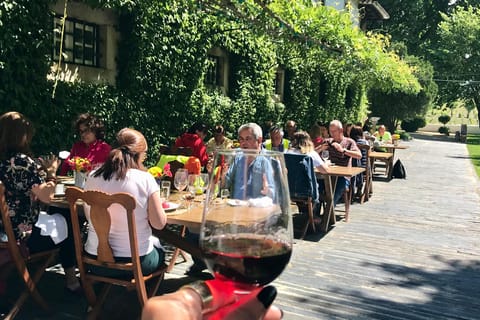
A luxury tour experience in Douro Valley. The walking in vineyardas is a heating time for what comes next. A tasty lunch and wine tasting, in a room designed in detail...
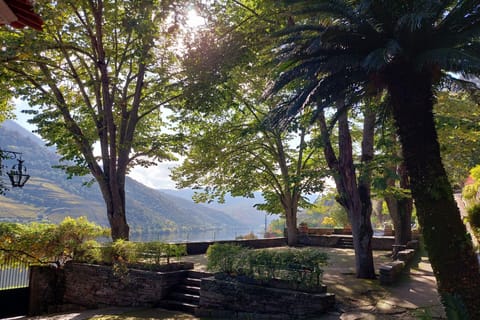
We will visit a traditional winery/wine cellar were we still make wine barefoot! Enjoy a small/family producer in the heart of the Douro Valley. We specialise in TOP d...