Touriga Nacional
Portugal's most prized red grape and the backbone of top Port and DOC Douro blends. Small, thick-skinned berries give deeply coloured, structured wines with violet and bergamot aromatics, black fruit and firm tannins.
The grapes that define Douro Valley: the canonical varietals and how the region expresses them.
The grapes that define Douro Valley: the canonical varietals and how the region expresses them.
Portugal's most prized red grape and the backbone of top Port and DOC Douro blends. Small, thick-skinned berries give deeply coloured, structured wines with violet and bergamot aromatics, black fruit and firm tannins.
The most widely planted red grape in the Douro and the workhorse of Port blends. Later-ripening and more productive than Touriga Nacional, it brings perfume, ripe red and black fruit and supple tannins that soften and lift the sterner grapes around it.
The Douro name for Tempranillo, also called Aragonez further south. It ripens reliably and adds red-fruited flesh, body and grip to Port and DOC Douro reds.
An early-ripening Douro red valued for sugar and sweetness in Port blends, especially on cooler, higher and north-facing sites where it keeps freshness.
One of the oldest and finest Douro reds, prized for elegance, acidity and ageing potential rather than volume. Very low-yielding and small-berried, it adds structure and longevity to Vintage Port and serious DOC Douro reds, and is one of the five grapes historically recommended for the best Ports.
A deeply coloured, high-acid red, known as Vinhao in the Vinho Verde region. In the warm Douro its bracing acidity is increasingly valued for freshness and colour in both Port and DOC Douro reds, where it counterbalances riper, fuller grapes.
Regarded as one of the Douro's highest-quality white grapes, giving aromatic, full-bodied and well-structured whites with good ageing potential.
A high-acid Douro white that keeps freshness and citrus, floral and mineral character even in a hot region, making it valuable for balance in DOC Douro white blends.
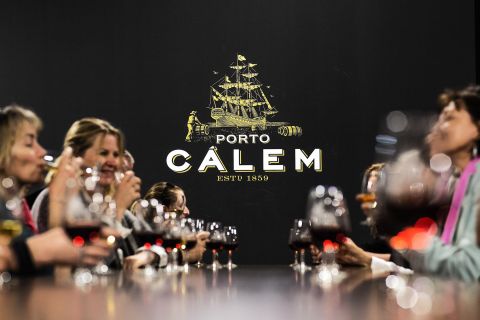
Tradition meets innovation at Calem Cellars in Porto. Join a host on an immersive journey, part museum, part working winery, revealing the art behind winemaking, agein...
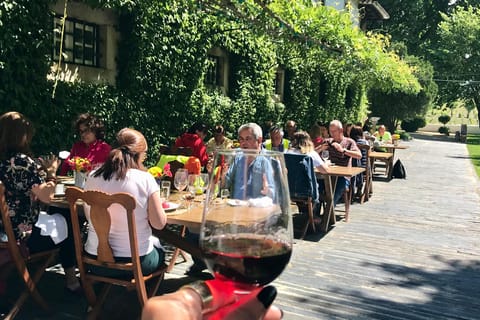
A luxury tour experience in Douro Valley. The walking in vineyardas is a heating time for what comes next. A tasty lunch and wine tasting, in a room designed in detail...
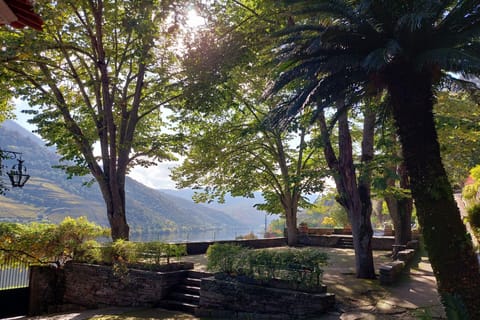
We will visit a traditional winery/wine cellar were we still make wine barefoot! Enjoy a small/family producer in the heart of the Douro Valley. We specialise in TOP d...
Peak wine-travel season in Douro Valley is spring through autumn, with harvest the standout window.
classified-growth and grand-cru estates require booking days to weeks ahead; smaller family domaines often take walk-ins midweek.
most estates open 10:00 to 17:00 by appointment, often closed Sunday and Monday.
tipping is not expected at tastings; buying a bottle from the cellar door is the customary thank-you.
Ask the next local you meet what they would order. Douro Valley rewards trust.