
Bordeaux: Médoc & St-Emilion Wine 3 châteaux with lunch
Tour two mythical wine regions of Médoc and St-Emilion in Bordeaux. Taste wines at 3 wine estates and enjoy a picnic lunch in the garden of a beautiful chateau in St-Emilion.
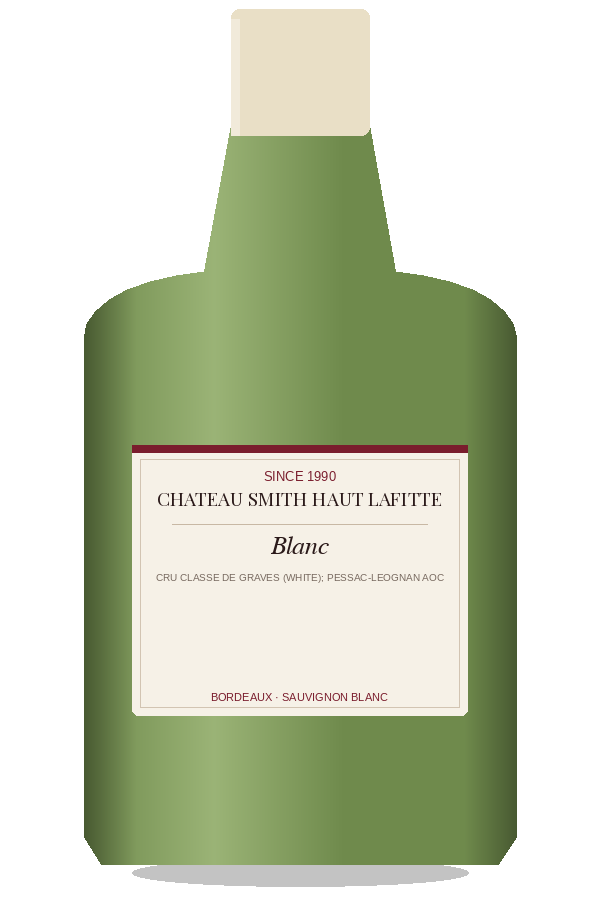 Pale gold
Still White · Cru Classe de Graves (white); Pessac-Leognan AOC · Bordeaux
A consistently top-rated Pessac-Leognan white dominated by Sauvignon Blanc with distinctive Sauvignon Gris character. Honeyed grapefruit, crushed stone, and elderflower on the nose; vibrant citrus and mineral freshness on the palate. Frequently earns 95-98 points in recent vintages.
| Critic | Vintage | Score |
|---|---|---|
| Wine Advocate reviewed 2023 | 2022 | 95/100 |
| Decanter reviewed 2023 | 2022 | 96/100 |
| Wine Advocate reviewed 2022 | 2019 | 97/100 |
Scores as published by each critic for the vintage shown.
Aroma: honeyed grapefruit, crushed stone, lemon zest, elderflower, white blossom
Palate: orange blossom, citrus juice, green apple, white peach, mineral salinity
A consistently top-rated Pessac-Leognan white dominated by Sauvignon Blanc with distinctive Sauvignon Gris character. Honeyed grapefruit, crushed stone, and elderflower on the nose; vibrant citrus and mineral freshness on the palate. Frequently earns 95-98 points in recent vintages.
Allow 35 minutes from open to pour.
The white wine of Chateau Smith Haut Lafitte came into prominence alongside the red after the Cathiard acquisition in 1990. Dominated by Sauvignon Blanc (unusual for Pessac-Leognan whites, which more typically lean toward Semillon), the wine has drawn strong critical reception in recent vintages (reviewer-points tuples on scores array).
On the nose, honeyed grapefruit, crushed stone, lemon zest, elderflower, white blossom. On the palate, orange blossom, citrus juice, green apple, white peach, mineral salinity. Structurally full-bodied, high acidity with a long finish. A consistently top-rated Pessac-Leognan white dominated by Sauvignon Blanc with distinctive Sauvignon Gris character. Honeyed grapefruit, crushed stone, and elderflower on the nose; vibrant citrus and mineral freshness on the palate. Frequently earns 95-98 points in recent vintages.
Drink 5-15 from vintage. Young vintages benefit from 30-90 minutes of decanting; mature bottles should be handled carefully for sediment.
Steamed Arcachon oysters is the canonical pairing. Other strong matches include Grilled langoustines with herb butter and Coquilles Saint-Jacques with saffron cream. The wine's mineral-saline drive and citrus precision align with the briny sweetness of Atlantic oysters.
The blend is Sauvignon Blanc (90%), Sauvignon Gris (5%), Semillon (5%). The wine is classified as Cru Classe de Graves (white); Pessac-Leognan AOC.
Tour two mythical wine regions of Médoc and St-Emilion in Bordeaux. Taste wines at 3 wine estates and enjoy a picnic lunch in the garden of a beautiful chateau in St-Emilion.

Discover the magnificent village of Saint-Emilion on a customized wine tour from Bordeaux. Enjoy an expert tasting in a grand cru château. Stop for photos to capture t...

Explore Bordeaux’s Left Bank on a private tour of the Médoc. Visit iconic wine estates, admire grand architecture, and enjoy sweeping vineyard views.